


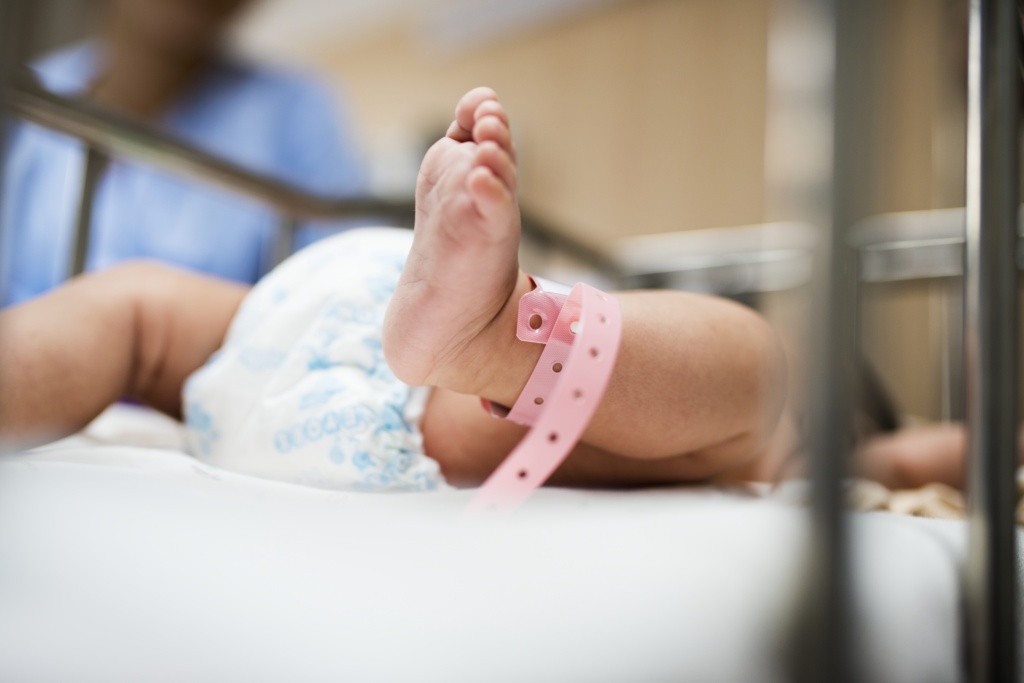
Estimates suggest that around 1,200 babies a year experience birth asphyxia, meaning that their supply of oxygen is severely reduced or entirely cut off during their birth. For some babies, this is fatal, while for those that survive, around 80% will suffer long-term consequences, such as cerebral palsy and other conditions.
If the right treatment is provided immediately, the chances of significant lasting effects from birth asphyxia can be reduced. However, even with recent breakthroughs, such as cooling therapy immediately after the birth, some children will be left with life-long disabilities that require on-going treatment and support.
What conditions can be caused by birth asphyxia?
Birth asphyxia can quickly lead to permanent brain damage due to an infant’s brain being starved of oxygen. This can lead to a range of issues, including learning difficulties and physical disabilities, but the most common outcome for those who suffer severe birth asphyxia is cerebral palsy.
Cerebral palsy is an umbrella term used for various conditions affecting a person’s movement and coordination. The symptoms are often not obvious straightaway after a child is born but usually appear over the first two or three years of their life.
Symptoms of cerebral palsy will typically include:
- Slower than normal development e.g. not walking by 18 months
- Weak arms or legs
- General stiffness or floppiness of the infant’s whole body
- Random uncontrolled movements
- Swallowing difficulties
- Speech problems
- Learning difficulties
What treatment is there for birth asphyxia-related conditions?
While the treatment a child is given immediately after their birth can make a big difference (e.g. use of breathing apparatus) there are also various treatments that can be given to a child during their lifetime to help deal with the long-term effects of birth asphyxia.
Exactly what treatment is required will depend on the difficulties the person is experiencing, but typical treatments can involve medication, surgery, physiotherapy, speech and language therapy and occupational therapy. If used correctly, these treatments can make a huge difference to a child who experienced birth asphyxia, helping them to be more comfortable and to live more independently.
How to ensure your child gets the support they need
If your child experienced birth asphyxia, you will understandably want to make sure they get the very best treatment and support possible. While much of the help you need should be available on the NHS and through other government services, some support may need to be accessed privately to ensure your child gets the very best help possible.
One option for funding this support is to consider a medical negligence claim against the hospital that handled your child’s birth. If the birth asphyxia occurred due to mistakes made by the medical team during the birth, you are likely to have a chance of winning compensation, so it is a good idea to consult a specialist birth injury solicitor at the earliest opportunity. If you make a successful claim, this can then be used to pay for therapy and any other support you need to fund privately, ensuring your child has the best chance of living a full, happy and independent life.