


This article was written by one of our amazing contributors! Content may include promotional links.
The world around us is beautiful, at times stunningly so. Even in the gloomiest of times and the gloomiest of weather, the world can still surprise us with displays of unprecedented beauty. It is natural for people to want to capture this beauty. In fact, this is what centuries of art and photography, and other creative pursuits has been about. There are some experiences which are transcendental; seeing a particularly beautiful landscape is such an experience.
Now that digital photography is so affordable, and every smartphone has a camera on it, there are very few barriers standing between you and nature photography. Of all the different genres of photography that exist, nature photography is unique. There is no other type of photography, except maybe space photography, that can come close to the same level of majesty.
If you’re looking to get started in nature photography yourself, this guide is for you. Photography is easy to do, but hard to master. These tips should get you started.
Make the Most of Your Surroundings
Wherever you live, you will have access to some kind of nature. Many people, once they start looking, realize that they have access to a much broader range of environments and landscapes than they initially realize. Try and work with what you have immediate access to before you start travelling further afield for more exotic locations.
Work All Year Round
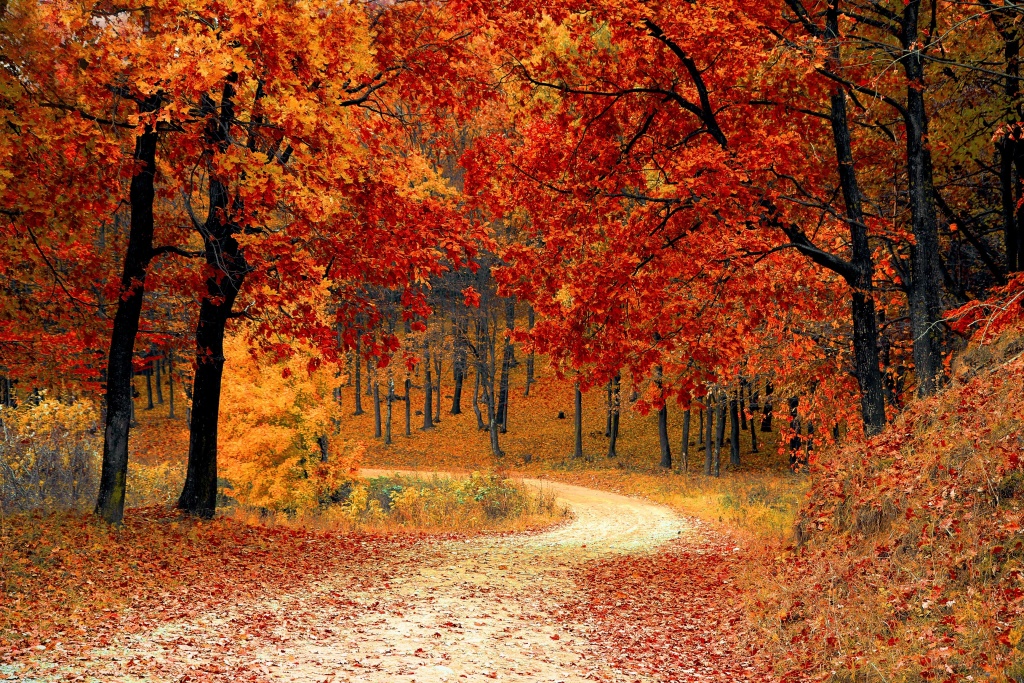
The world around us changes with the seasons, often in very dramatic ways. When we go past an area every day, the gradual changes that occur aren’t necessarily immediately obvious. However, if we look at a photograph of the exact same spot taken a couple of months apart, the changes become obvious. Each season there is something different on offer in every kind of scene and environment.
Shoot in the Best Light
As the seasons change, the level of light available at different times of day also changes considerably. During the winter months there is less sunlight. Daylight hours are considerably shorter, meaning that photographers only have a limited window during which they will have the optimum level of sunlight. The amount of light available to you will make a considerable difference to the scenes that you are able to capture. If the lighting becomes too low, you will either need to use the flash or boost the ISO. Both options result in some level of distortion to the final image.
Digiscoping
Digiscoping is an awesome technology which has been around for a while, but which has only recently become widely available and affordable. Digiscoping involves connecting a smartphone to a scope, allowing it to capture images from telescopes, microscopes, binoculars, and other devices. There are now a number of companies like Phoneskope who offer digiscoping products.
Photography is an excellent hobby to pursue. Not only does it allow photographers to indulge their creative passions, it also gets people outdoors and encourages them to engage with the world around them on a new level. Nature photography is a particularly transcendental experience, nothing compares to the rush of capturing the perfect scene.