


This article was written by one of our amazing contributors! Content may include promotional links.
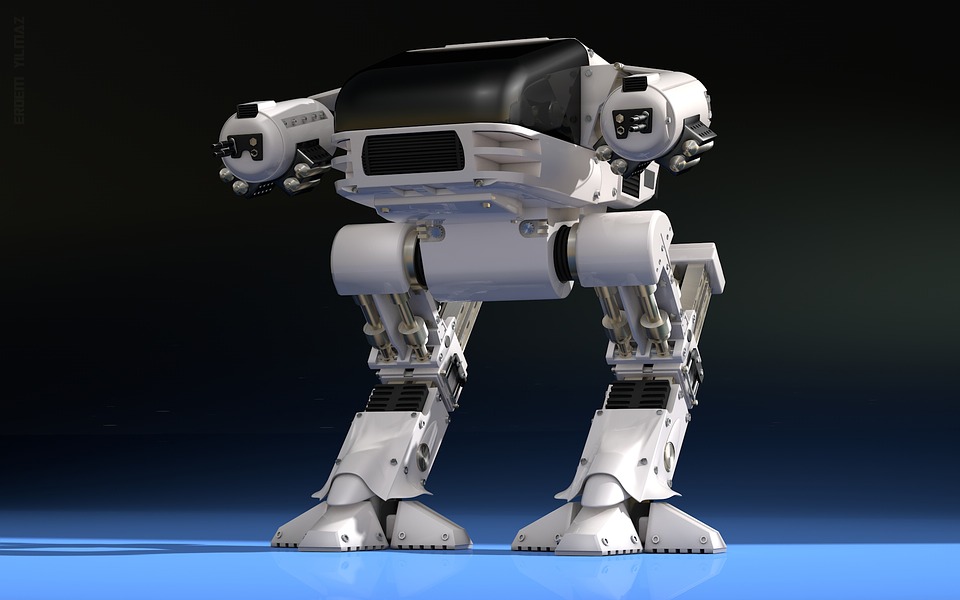
There is a high increase in the use of robots for performing some tasks nowadays, and sometimes the robot carries out their tasks alongside or with humans as their co-workers and this has raised issues about the safety of workers in industrial lines with regards to their health. But robot assembly continues to grow. The use of robots in workplaces continues to increase in various parts of the world, America, Asia, Europe and even Africa. However, there is a lot of work on checking if the increment in the work capabilities of robots would amount to hazards for humans. That is, the fear that the proliferating population of robots and use does not bring about too much damage to humanity as headlines continue to read how human workers are being injured or even killed by robots.
What continues to attract factories to robots is that they enhance more productivity and can perform tedious and very complex tasks as well as have self-employed learning capabilities and this has been on an increasing track since the inception of robots in 1937. Robot assembly is done based on the main aim of making work easier for humans and enabling accurate and massive turn out of products. Three categories of robots that enhance productivity exist and names are based on the kinds of work they perform. They are:
1) Industrial robots
2) Professional and Personal Robots
3) Collaborative Robots
It has been mentioned that a new experimental robot assembly has emerged and it is called the managerial robot. This is also to achieve productive managerial services. Humans may be smarter, but they get tired, robots can rarely be. Most robots are designed as a helping hand or a high-tech tool built to assist in doing heavy, hazardous tasks. In other words, any task that is considered too difficult, unsafe for humans, boring or too repetitive is what robots are for. The continuous improvement and advancement existent in robots especially the collaborative robots makes most industries embrace the use of robots for many of their services including distributions. These smart, flexible robot does not only increase the production scale for only large-scale businesses but also, being affordable to small and medium scale businesses, it can sustain them a lot. This may lead to low capital and high yield of production as well as accurate packaging and easier distribution.
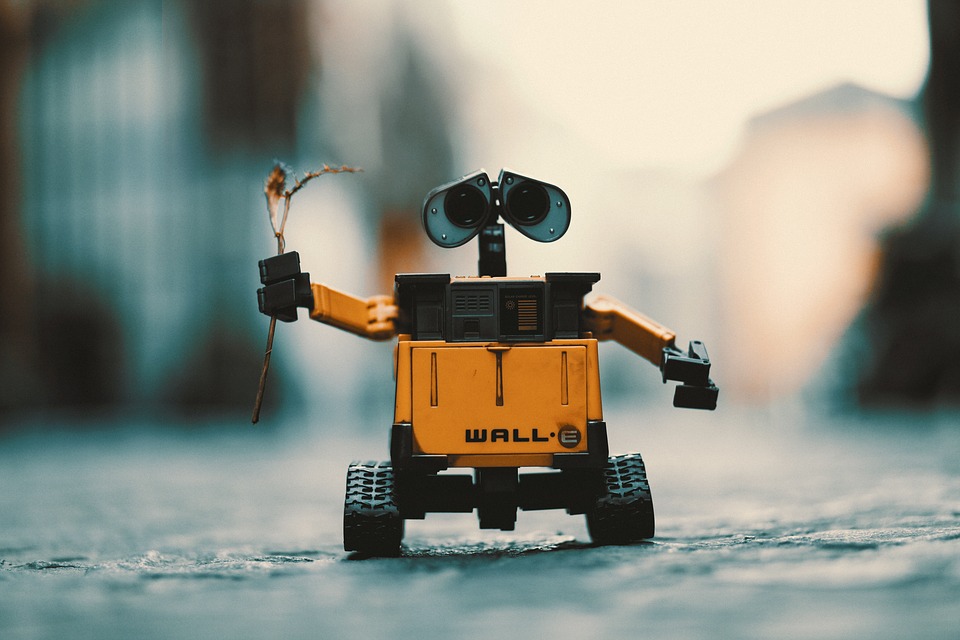
The assembly robots designed by Universal Robots have been programmed in such a way that if they come in contact with a person, they will stop working. This is a certain step taken towards ensuring that co-workers with the robots are not harmed while working. It can also be programmed that when human enters the factory, the robot will still keep working but will be slow and if the person leaves, the robot will resume work in full speed. Both safety and productivity must be ensured, none should actually be sacrificed for the other if both could be achieved. If there is a reduction in workflow, the robot arms can be quickly deployed to fast-track work due to the new small size and lightweight type.
In conclusion, the assistance rendered by a collaborative robot as well as industrial robots cannot be overemphasized. Having ensured the safety of co-workers with collaborative robots especially, businesses can flourish better in massive accurate production, and easy distribution of products without too much sweat. The work environment in recent times has also been made far much safer for humans compared to what it used to look like before the Advent of the collaborative robots