


This article was written by one of our amazing contributors! Content may include promotional links.
Color is one of the most powerful tools at humanity’s disposal. You may have heard about the effects of color in passing with comment like: red is ‘angry’, blue is ‘relaxing’ and yellow is ‘happy’ but what does this actually mean and how can we use color in a positive way?
In this short guide, we will look at exactly what colors are, how we react to them and how schools can start using them to engage children and assist in their learning.
How Colors ‘Feel’
Before we start discussing how schools can utilise color, it’s important that we understand how colors impact us. The details of why we feel the way we do about color is a topic for a much longer, more detailed post but the key concept is association. The human mind is just like any muscle, it learns and adapts based on what you experience and what you do. As a society, we have begun to associate specific colors with occurrences, emotions and concepts and by using these colors to reflect this imagery, we embed the pairings even further.
For example, green is seen as a natural, healthy color, associated with the outdoors, fresh air and wellbeing. This is perpetuated by how green is used in the logos of garden centres, healthcare programmes and organic foods. We see green and we think ‘healthy’. This is just one example (you can find more here) but the point remains the same for all colors.
With this in mind, we can start to focus on how schools are able to utilise colors to engage their pupils.
Exams

Let’s start at one of the biggest areas – the exam room. Every school on the planet wants their children to succeed, not just because it’s their job to teach but because it paints the school in a good light and impresses the public. After students walk into that exam hall, teachers can do nothing more for their students except hope they studied and pray for easy questions – or is that untrue?
It turns out there is something the school can do to help their pupils. A 2007 study investigating the effects of the color red found that students seeing red before they enter the exam hall for an important test actually performed worse. It’s theorised that this is because red is associated with red pen and failure, subliminally putting increased pressure on the students and lowering their performance. So, if you work at a school, remove any red you can from the path to the exam hall and especially inside the hall itself. With any luck you’ll see an increase in exam results!
School Playgrounds
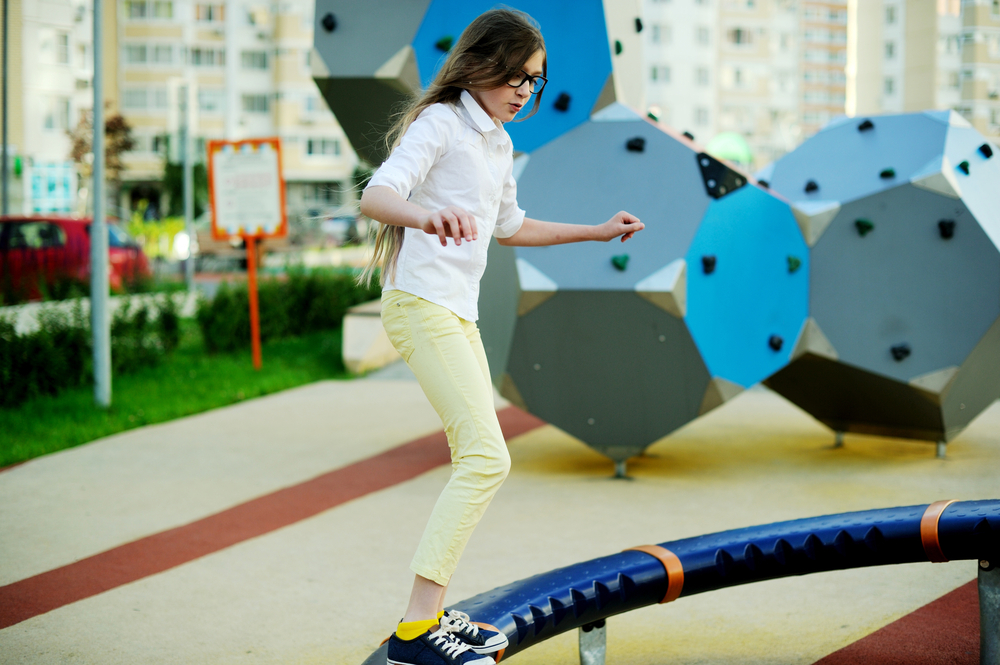
Many schools don’t realise the impact that a good playground can have on their students. Well-designed school playground equipment has the power to not only train a student’s motor and social skills but to improve their performance inside the classroom too. Whilst at school, children spend the majority of the day confined by classroom rules and unable to properly relax. This kind of environment isn’t conducive for easy learning or influencing; however, in the playground students feel relaxed and in control. This relaxed state is the perfect moment to influence their mood which is where colors come into play.
Depending on the tactic that a school would like to employ, different colors can have different effects on behaviour. Red is an energetic and active color, perfect for getting the children ready for an active PE lesson, whilst blue would help them calm down before a quiet or serious class. The best approach is to use a variety of colors, appealing to all students and all situations. You want to avoid focusing on a single color as you might see a detrimental effect.
Classrooms
Before we conclude, it’s important to mention the impact color can have in the classroom. In the same way that color affects students in the school playground, the classroom’s color scheme can affect mood and behaviour. Red promotes anger and energetic activity whilst light blues are much more relaxing – try to stick to pastel shades to make the most of this and keep students mellow in class.
With these points in mind, most schools should be able to amplify the performance of their students without spending a fortune. Don’t underestimate the power of color.