


This article was written by one of our amazing contributors! Content may include promotional links.
Smartphones, tablets, and other electronic devices make podcasts a really attractive option, especially for young people. They would spend days at an end listening to audio programs. Just as there are many people who like to read printed text, there are many who prefer receiving information via audio. Millennials are the greatest podcast consumers. They see podcasts as a great method to stay connected to their worlds of interests. There are a number of reasons why they love musical-based content. Examples include but are not limited to the diversity in niches, intimacy and familiarity, not to mention that they can listen to whatever they want, at any time. Podcasts would be an instant hit in the classroom. If you want to improve listening skills and empower young learners, you should really consider podcasting in the classroom.
There is no reason to be skeptical

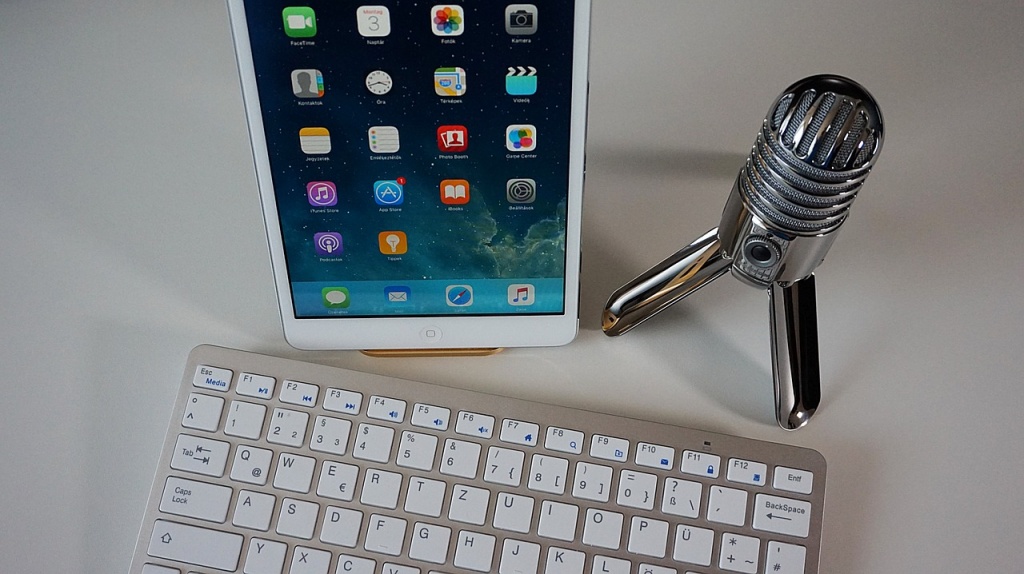
Podcasts represent the audio version of blogs. Many say that podcasting is better than blogging. Digital audio files that are made available for downloading on the Internet are more intimate compared to other forms of media. They are a personal way to communicate. Anyway, podcasts offer the opportunity to expand technology in the classroom. As a teacher, your aim is to transform the classroom into a learning environment – in other words, an engaging, welcoming place where students enjoy equal opportunities and produce satisfactory outcomes. Using this particular technology will change your classroom for the better. The point is that you need not be skeptical. These tools are highly useful.
To begin with, podcasts are curated collections of sources of information. There are numerous activities, assignments, and projects that you can include. With audio programs, it is possible to select the content and form you need for a particular lesson. Options are almost limitless. You can use anything from fictional stories to TED talks in the classroom. It is not recommendable to use only one type of podcasts. Expose your students to all kinds of communicational methods, including casual conversation, narration, and interviews. There is a plethora of instructional resources out there waiting to be discovered.
On top of that, podcasts are always up to date. This means that you will always be doing something new and fresh with students. This, in turn, equals more learning. New musical-based materials emerge every day, so it is your responsibility to stay on top of the trends. Using podcasts in the classroom always yields positive results. Many podcasters share their episodes on a website, so you can play the podcast directly in your phone. You should do more podcasting in the classroom. These informational tools are easy to work with and students will love making them.
Teach students how to produce their own podcasts


The great thing about audio programs is that they can be used across all grade levels and content areas. Invite your students to submit original podcasts. They can create a podcast of a book of their choice, discussing their favored characters and the way they evolved throughout the story. It does not matter what topic they choose, as long as they carry out the assignment. The digital audio files can be linked to writing, reading, vocabulary, science, economics, and so on and so forth. Give students the option to work individually or in groups, if they have access to computers or laptops. As far as the podcasts are concerned, the length should not exceed 5 minutes. The typical digital audio file lasts approximately 30 minutes, but you will not have enough time to listen to all the projects.
Music will make the podcast unique. Just like music is used in movies to help with storytelling, it can be used in podcasts to set the ambiance. It not an unnecessary distraction. The quality of the audio is equally important. It is possible to tell within a few seconds if the music has been badly recorded. The assignment should be taken seriously. Achieving high audio quality is easy. The audio show should have a catchy intro and outro songs. Teach students how to search for royalty free podcast music. They pay for the music once and can forever use the songs. When putting music into a podcast, it is essential to make sure that you have the right to use it. In the classroom, students will record time after time. This can be done with the help of various apps specially designed for tablets or computers. However, it is much simpler to use the smartphone to record.
See if the podcasts are good enough to be published. The audio content can be distributed to Spotify, Apple Podcasts, and Google Podcasts. Take into account how much time you are willing to spend on the podcasts. If you have plenty of time on your hands, then it is a great idea to publish students’ creations. Of course, it will be necessary to edit them a little bit and generate written transcripts or show notes using tools like Whisper Transcribe. If you want to have access to a larger audience, think about using a self-hosted WordPress site that enables you to create audio.
Final considerations
If podcasting in the classroom is something you have never done before, do not waste any more time. Podcasts have the potential to improve literacy. For instance, reading along with a podcast increases confidence as well as literacy. Students are highly motivated to read the scripts and share their thoughts. There are many advantages to educators who incorporate podcasting into daily instruction. Many young people are already interacting with these technologies outside the classroom, so it makes perfect sense to resort to audio programs. When it comes to podcasting in the classroom, ask the students what they are interested in. participation will no doubt be higher if they are engaged in the selection process. Most importantly, keep things simple. Deploy instructional tools that are easy to integrate with what you are doing at the present time. Remember that you do not need to be an expert to introduce your students to podcasting.