


This article was written by one of our amazing contributors! Content may include promotional links.
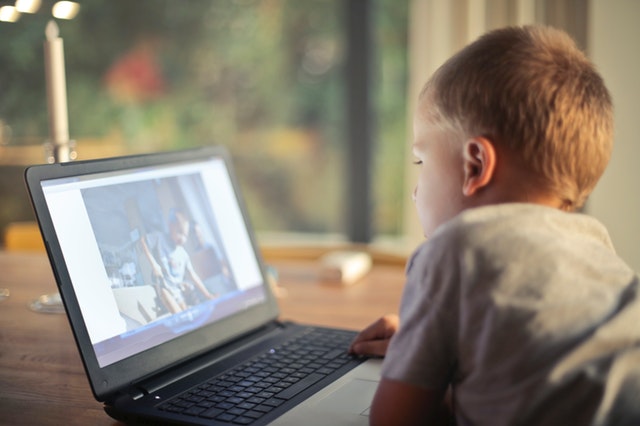
The internet is a fantastic resource for children from the amount of information they have at their fingertips ready to discover to the awesome online games they can play. Unfortunately, the internet is also a place where children are at risk from bullies and predators and this can be a source of constant stress and anxiety for parents all over the world. However, with the proper precautions and appropriate vigilance, you can protect your children. If you are concerned about the safety and wellbeing of your children when they are using the internet, here are 10 simple but effective ways to keep them safe online.
1. Install a home network security system
The first step is to check home network security and install improvements where necessary. Network security systems should protect your devices from viruses, malware, spyware and prevent your children from accessing dangerous websites. Some will also enable you to set time limits for children and block websites with inappropriate content.
2. Have a discussion with your children
Children are using the internet at very young ages now as more and more are given tablets and gaming consoles. Be sure to open the conversation about the risks of the internet as early as possible. You don’t need to frighten them, but just as you would educate them about the risks of playing with fire or real-life ‘stranger danger’, tell them what they need to know about online predators and answer their questions.
3. Keep your devices in common areas
When you are in the same room as your child when they are using the internet you are better able to monitor their browsing and will be more alert to any attempts by bullies or sexual predators to harass your child. This is why it’s best to confine the use of the internet to shared areas.
4. Monitor which devices your children use outside the home
It’s likely that your children will have access to the internet at school and at their friends’ homes. Keep discussing what they have been up to online and ask the school and parents of friends how they monitor internet activity.
5. Reiterate that people online may not be who they seem to be
Make sure that your children understand that not everyone they ‘meet’ online is necessarily who they say they are. Remind them that they should never share their name, contact details, school, friends’ names or address as this could enable people to locate them. Most importantly, they should never agree to meet anyone they have been speaking with online without your permission and supervision.
6. Make browsing the internet a family activity
Browsing the internet can be a great family activity as you can take the time to learn about each other’s interests and discover new information together. This also enables you to encourage them towards websites which are age appropriate.
7. Make sure you know you know their passwords
For younger children it is best to create accounts in your own name so you do not expose their name and you have access at all times. It’s safest to have the passwords for all your children’s accounts, even when they are older, and make it clear you will be checking in from time to time to make sure they are safe. It’s best to be honest about the fact you will be checking in as doing so behind their backs will damage their trust in you. You can also check their browsing history to ensure they are not attempting to view unsuitable content.
8. Be alert to changes in their behavior
If your child is being secretive about what they do online and/or is becoming isolated or displaying unusual behavior, it could be a red flag that they are being targeted by online bullies or even sexual predators.
9. Set internet rules
Just as you would set rules about any other aspect of home life, you need to set rules and boundaries about what your children can and cannot do on the internet. This could include setting time limits on internet use or cutting off all access after a certain time at night. You can talk to your internet provider about blocking access to violent or pornographic websites or your Wi-Fi router may enable you to adjust settings for yourself.
10. If you believe your child is at risk, report it
If you are concerned that your child is being bullied, abused, groomed or victimized in any way, report it to the police. Take away your child’s access to the internet and don’t use the device or computer as there may be vital evidence which may help to catch the person responsible. Click here for more information on what to do if you believe your child is at risk.
There is certainly a fine line between educating children about the risks of the internet and scaring them from using it at all. This would be a real shame as the internet is an amazing resource for children. From entertainment, discovery, education and social connection, young people can experience more of the world than previous generations ever could. With the right attitude and awareness of the potential risks, your children can use the internet safely and happily.