



If there is one thing that all businesses need to get right, it is their search engine optimization strategy. After all, you are not going to gain anything if you are languishing at the bottom of page three on Google.
Instead, you need to make a continual effort to organically reach those important top spots. If this is something you are struggling to do, it is likely that you are going wrong with your SEO campaign. With that being said, let’s take a look at some of the clear signs that your SEO efforts are failing…
Your organic search traffic is on a steady decline
There is only one place to begin, and this is with the amount of organic traffic that your business receives. There are many different reasons why this may be on a downward spiral. This includes all of the following:
- You are not targeting the correct audience
- Security issues on your website, such as malware or spam, has caused Google to dopy your ranking
- Your site is ranking poorly because it does not fall in line with the most recent algorithms
- There has been a change in the search trends in your industry
- Indexing errors have made it difficult for Google to crawl your website
- Your keyword positions are falling
- Your competitors have upped their SEO game
- Your site has recently been slammed with a penalty
You’re prioritizing your efforts incorrectly
Another sign that your SEO campaign is failing to hit the mark is if you have your priorities all wrong. When it comes to an SEO campaign, some of your highest priorities should be to keep social engagement high, build meaningful and quality inbound links, make sure of proper on-site optimization, and produce regular quality content.
If you are not focusing on these, and instead, you are focusing on low priority activities, this is where the problem lies. So, what are some of the signs that you are prioritizing incorrectly? Let’s take a look…
- You do not pay enough attention to user experience
- You buy links rather than building quality links
- You do not discard old pages in the correct manner
- You do not optimize every new page you add to your website
- You prioritize quantity over quality
- You write for search engine bots only and not your audience
You are offering a poor user experience
As touched upon very briefly in the former paragraph, failing to pay attention to user experience is a big mistake. For many years now, Google has used user experience as a big ranking factor in an effort to make its results more user-friendly and user-focused.
There are many different signs that your website is offering a poor user experience. Page load speed is the obvious place to start. If your website is twice as slow as the competition, you will never rank highly on the search engine result pages. You need to delete large media files, assess the effectiveness of your web host, and take the other required steps to speed up your site.
Other steps you can take to improve the user experience of your website include writing longer content (600 words+), ensuring seamless navigation, optimizing your website for use across all devices, and enhancing website security.
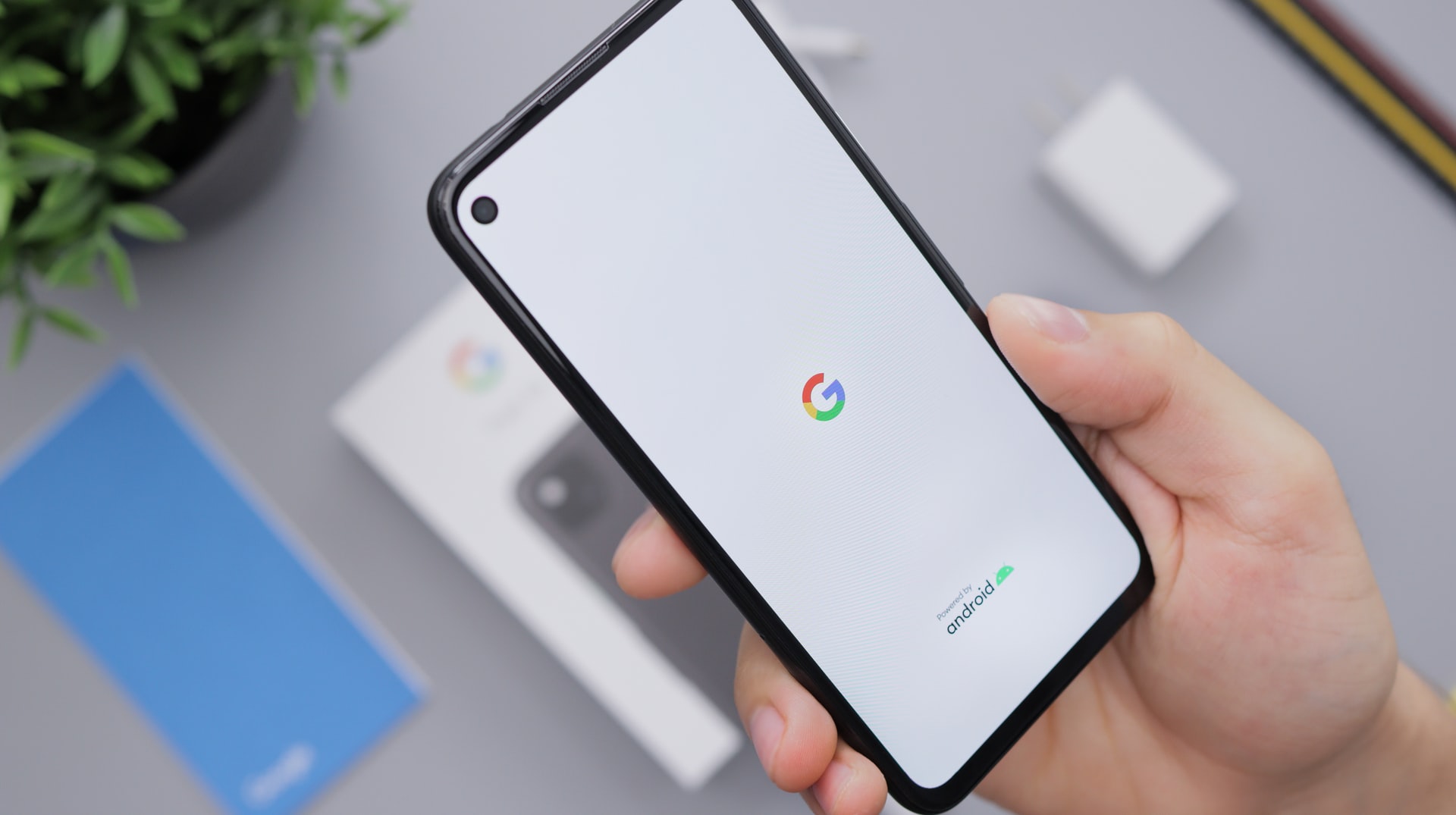
Optimization across all devices is something that requires further elaboration. If you’re an Android user, we’d definitely recommend buying an iPhone, and vice versa. There are some great guides online on how to set up a new iPhone or Android phone if you don’t have any experience. Having both of the two main models enables you to have a true reflection of how your mobile performs on the various operating systems, which is hugely important.
Poor quality and irrelevant inbound links
Another element that requires further elaboration is your link-building strategy. Link building is an essential element of your SEO campaign. However, depending on the links’ structures, contexts, and sources, there are varying degrees of quality. If you have one or two bad links in your inbound link profile, this may or may not have a detrimental impact on your ranking. Nevertheless, if you have a consistent pattern of manipulative and spammy inbound links, you can be certain you are going to get a penalty. All of the links you use need to come from high-authority websites that are relevant to your business.
Here are five clear indicators of a bad link:
- The content is not good
- You get an error code
- The content is no longer relevant
- It reads like spam
- It does not lead to a site that is ranked highly
You do not track your efforts
Last but not least, you are most definitely going wrong with SEO if you do not track your efforts. After all, how are you supposed to know if your campaign is performing well if you do not measure the results? Measuring SEO growth is the only way you are going to determine in what direction you are heading and the path you are going to need to take to get there. This is something you need to do on a frequent basis.
Hopefully, you now have a better idea regarding where you are potentially going wrong with your SEO efforts.
If you have noticed any of the indicators that have been discussed in this blog post, it is important to tweak your SEO efforts so that you can benefit from more traffic and conversions.
Furthermore, don’t overlook the fact that SEO is not a one-time thing. It needs continual attention and improvements if you are to achieve and maintain online visibility and success.