


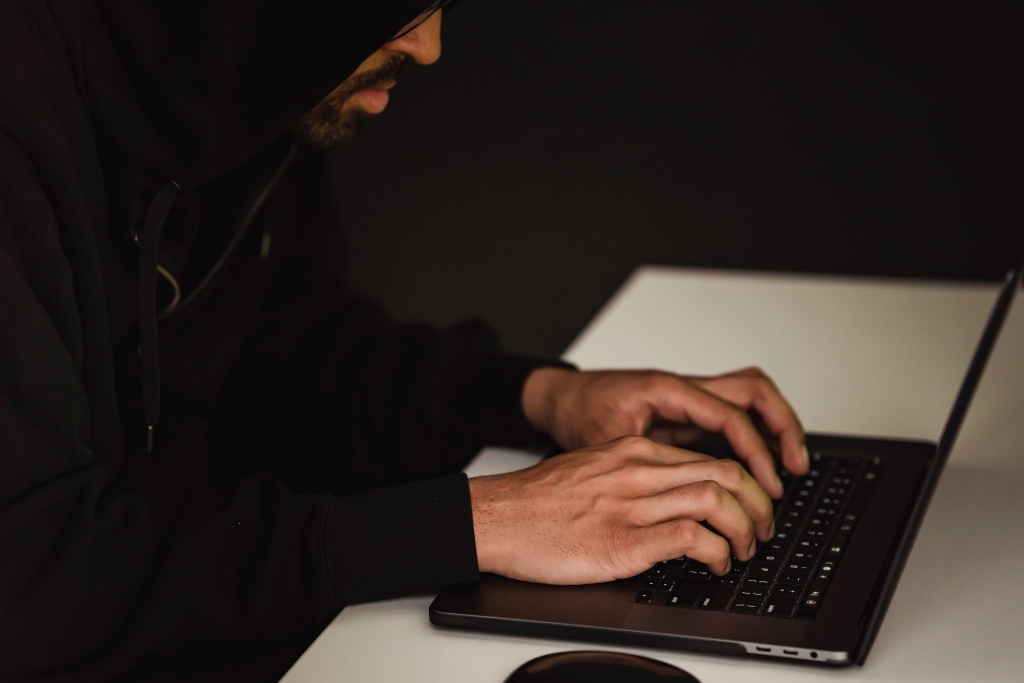
It doesn’t matter whether your information falls into the wrong hands by accident or because you have been hacked; either way, scammers stand to gain if they have all your details. They can use this information to open accounts in your name, apply for loans, or even present it when applying for government applications such as a passport.
To protect yourself against identity theft, the best thing to do is be careful about sharing your personal information. That involves being cautious about where, when, and how you share your data with others. Additionally, you can use the best services to prevent identity theft in your home or organization.
Tips For Preventing Identity Theft and Fraud
While there are dozens of precautions to take, these six steps cover the basics:
1. Often check your bank statements
Banks will never reach out to you regarding suspicious activity on your account. The best way to protect yourself is to keep a close eye on your bank statements. If you suspect any unusual or unauthorized transactions, report it immediately — especially if you’re not the one who initiated the transaction. To avoid falling victim to fraud, don’t trust solicitors asking for personal information and change all of your online passwords regularly.
2. Share your social security at the right places
Hackers can use your Social Security number to take control of your identity. While there are laws to protect you from identity theft, it is essential to watch for red flags. If you lose your wallet or purse, contact your local law enforcement agency immediately and place a fraud alert on your record.
Note that fraudsters may also call their victims under the guise of a bank or credit card company employee, but this is a big no-no. No legitimate organization will phone you and ask for your bank or credit card PIN or Social Security number — such information is supposed to be provided only in person. Even then, they would do it by mail, not over the phone!
3. Stay away from public wifi
Protecting your personal information is more difficult in this day and age of public wifi and connected devices. Unlike a password-protected network, public wifi connections require no authentication to create a secure connection. Therefore, this means that any device on the same open network as you can access your username, passwords, account numbers, and other sensitive data without having to crack a password.
4 .Shred personal documents before throwing them into the bin
You’d be surprised how many people still casually throw their personal and bank statements, payslips, or any other mail that may contain sensitive information into a recycling bin or trash can. Without even thinking about it, you’re giving identity thieves an easy access point to your information. Shred and dispose of any sensitive information documents before making their way in the paper to the recycling bin or trash can.
5. Freeze your credit
You don’t need to worry about an identity thief opening up an account in your name, ruining your credit reports, and potentially your life. That’s why it would be best to add a layer of protection for yourself. You can freeze your credit with the three major credit bureaus — Equifax, Experian, and TransUnion — which will prevent new credit files from being opened in your name.
Create strong a password for each of your online accounts
Six or more characters with letters, numbers, and symbols is a strong password. It’s the first line of defense against online hackers. As the number of accounts and devices we use to complete day-to-day tasks increases, so does the need for strong passwords. Hackers search social media sites like Facebook for clues about your personal life and interests to crack your accounts — if you’re obsessive about Justin Bieber, they’ll know it within an hour.
However, with the number of accounts that everyone has to remember these days, it’s practically impossible to create unique passwords for each one. For this reason, you can use password managers, which offer a safer way to manage your passwords with the help of an online database.
Conclusion
Identity theft is hard to avoid, but you can prevent it. If you’re aware of the typical sneak attacks that occur and guard your private information well, it’s less likely that you’ll fall victim to identity thieves.
Taking a few simple security measures — such as setting up a security freeze, monitoring bank and credit card statements regularly, and monitoring your credit report for suspicious activity — will protect your data from hackers.