


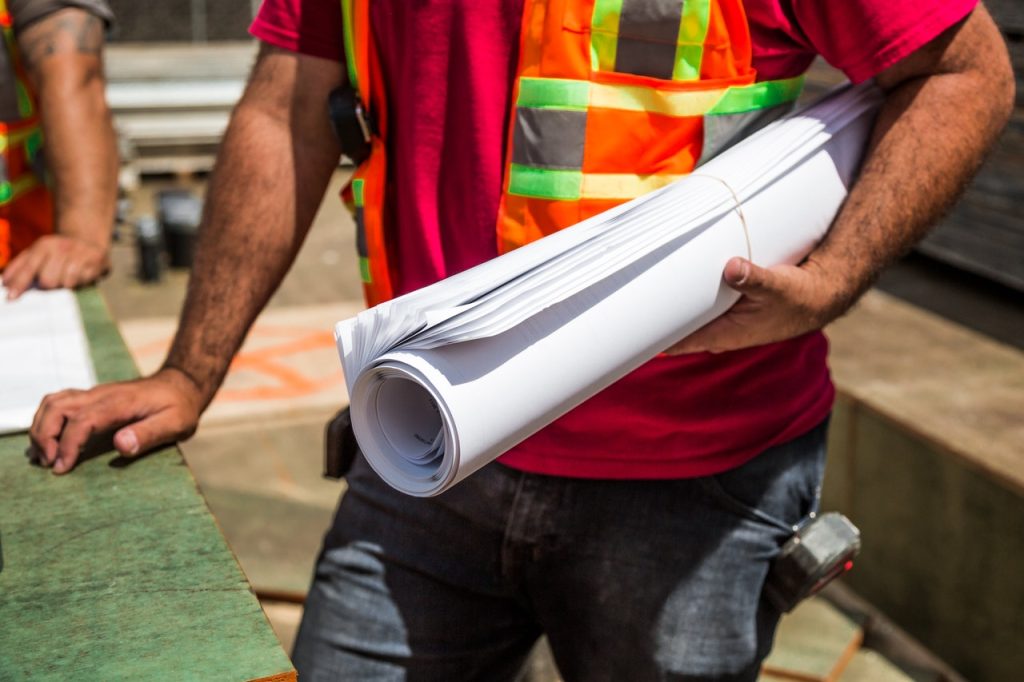
Whether it’s a commercial center or a stand-alone residence, there’s no doubt that construction projects are highly structured and complicated tasks. Any construction project manager can tell you how energy-consuming, labor-intensive, and complex it is.
However, if you’ve experienced or worked on plenty of endeavors and gotten a grasp of how it’s done, proper planning, scheduling, modern techniques, and technologies can set you on the right track to make your work easier and streamlined.
Here’s a brief guide on tips and practices you should consider for effective construction project management.
What is Construction Project Management?
- Simply put, construction management is the act of managing a project’s construction. It involves planning, designing, organizing, and overseeing the various construction tasks.
- Construction management is performed by project managers (PMs) who undertake the responsibility of completing the project for an organization while also taking into account its budget, deadline, and scope.
The primary distinction between it and other types of project management is that construction management is mostly mission-based and aim-oriented. Construction project management can involve a wide variety of disciplines, from engineering to architecture and even city planning.
Best Practices for Managing a Construction Project
Lay the Groundwork
Evaluating your assets and knowing essential details regarding the project is how you should lay the groundwork. This gives you an idea of what’s within your reach and accessible to you, so you can plan for any risks that may lie ahead.
Being cheap when retaining professionals and experts for design and building might seem like a bright idea at the moment, but it will certainly cost much more in the long term. Hiring experts that know what they’re doing and following their advice will help you avoid mistakes and lead you on the right track. You should also make sure that the people you hire are fully licensed, have all the appropriate construction insurance, and that they are generally trustworthy.
Hire the Right People in Place
After the details for your project have been finalized, the next step is to gather a team of capable individuals. Construction projects have many moving parts and thus have many roles to fulfill. Hire people with superior skills, talents, and personalities for each position. This is why skilled staffing is crucial, ensuring each position is filled with individuals who can seamlessly contribute to the project’s success. A typical construction team mainly involves the following:
- The project owner or client
- Construction project manager
- General contractor
- And Construction industry professions, including architects, builders, engineers, town planners, quantity surveyors, and land surveyors.
If you’re looking for construction endeavors in your area, you might be wondering, where can I find construction projects near me? Then, you should know there is plenty of software and apps that can help you.
Establish Seamless Communication
As we now know, construction projects have many parties and countless team members involved, also including the contractors, subcontractors, and vendors — all of these individuals needed to be informed and updated with the project’s progress. So, creating a seamless communication method is crucial.
Ideally, you should have a centralized communication network where you can notify the system of schedules, documents, and photos that the entire team can access. It offers easy access to project info and creates a healthy work environment.
Re-evaluate Your Techniques
The construction industry is filled with individuals working with techniques and processes that haven’t been updated in decades. Some can even go as old as keeping project records using pencil and paper. This significant lack of progress is one of the reasons for low productivity, costing the industry billions every year.
Problems that used to take hours or days to approach now have simple and quick solutions. Implementing these new techniques and having a critical eye to identify if certain areas of the project can be improved is key.
Learn Good Negotiation Skills
Negotiation and discussion are essential skills that project managers need to hone. It’s not just about negotiation with the client; PMs also have to deal with subcontractors, suppliers, and the rest of the team.
A major aspect of negotiation is fighting back with backed-up facts that prove your idea is effective and knowing when to put the pressure on.
Plan Ahead and Stay Organized
Your plans need to be practical and adjustable even when issues that can interrupt the flow of the schedule arise. It needs to be subsequently fixed so that the project stays on schedule while being able to adapt and accommodate for unforeseen circumstances.
Completing a project on time, within its budget, predominantly depends on how well you can plan and schedule. Every phase of the project requires a workforce, materials, appropriate equipment, and tools; it’s your responsibility to manage them all and ensure that everything goes accordingly. A great way to accomplish this is to set achievable objectives and targets for every member involved so that they can play their part.