


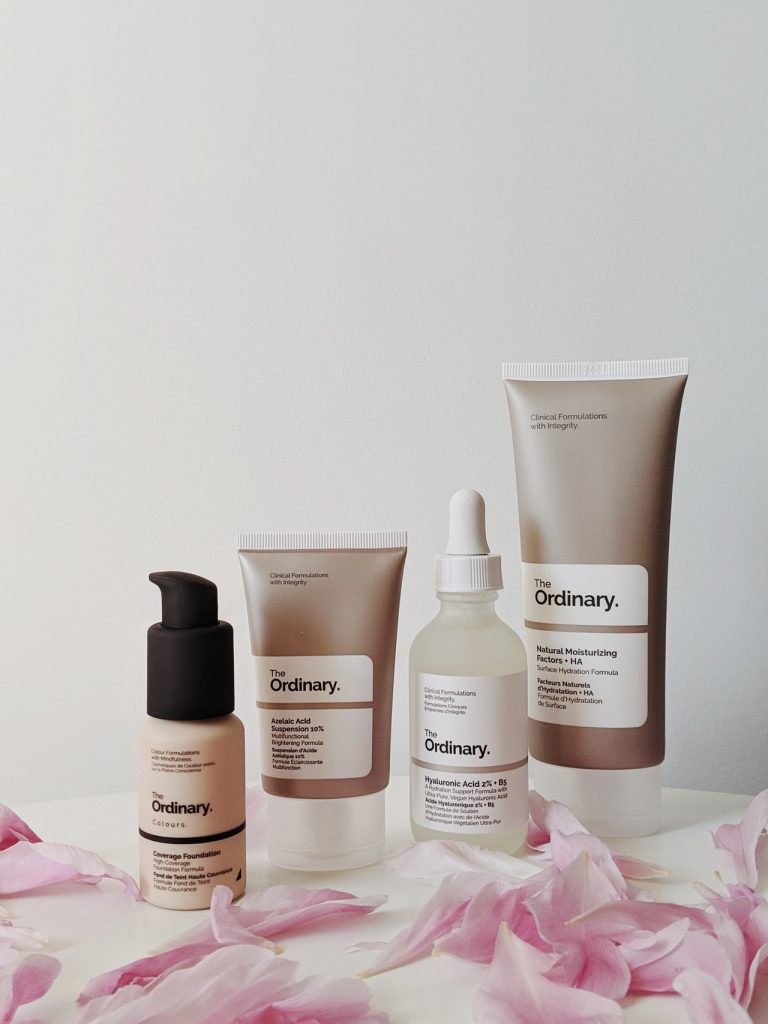
One of the best ways to protect your brand is by guaranteeing your product’s authenticity. When clients know who they’re dealing with and are confident about the service or product quality, they remain loyal to your brand.
Of course, being authentic doesn’t mean that you can’t evolve or change over time. But it may mean that you have to look at product authenticity differently. Services such as those offered by www.collectid.io have developed to help businesses value the authenticity of their products and, in turn, build client loyalty.
But how else can you protect that authenticity? In this guide, we explore the issues around brand authenticity and what you can do to ensure that your clients can confidently put their trust in your goods or services.
Brand Abuse
The first step to ensuring brand authenticity is to avoid any abuse of your name or logo. This can be in the form of unlicensed usage, counterfeiting, or simply poor-quality products that reflect poorly on your company.
There are a number of steps you can take to protect against this type of abuse:
1. Use trademark registration to protect your brand identity and stop others from using it without permission.
2. Take action against those abusing your brand – this sends a strong message to others that you’re serious about protecting your intellectual property.
3. Make sure all products bearing your brand name meet high standards – this helps to improve the perception of your brand and maintain customer loyalty.
4. Keep an eye on social media and online marketplaces for instances of brand abuse – you can often take action to have these removed.
Counterfeiting
One of the most serious forms of brand abuse is counterfeiting, where fake versions of your products are made and sold. This can damage your reputation, lead to lost sales, and pose a risk to public safety if the counterfeit products are not up to standard.
There are several ways to combat counterfeiting:
1. Register your trademarks in key markets – this makes it easier to take action against those selling counterfeit goods.
2. Use technology such as product identification codes or watermarks – this makes it harder for counterfeiters to produce convincing fakes.
3. Work with customs authorities to stop counterfeit goods from being imported – this can be done by providing them with information about your products and identifying key routes used by smugglers.
4. Take legal action against those selling counterfeit products – this sends a strong message that you’re serious about protecting your brand.
Authenticity Checks
As well as taking steps to protect against brand abuse, you can also use authenticity checks to ensure that the products your resellers are stocking are genuine. This is important for businesses such as luxury brands or those selling high-value items, as even one fake item can damage your reputation.
There are several ways to carry out authenticity checks:
1. Use product identification codes or watermarks – these can be checked against a database of genuine products to confirm that the item is authentic.
2. Inspect the product for signs of counterfeiting – this includes checking for poor quality or incorrect branding.
3. Check the packaging and documentation – these should match the product and be free from any mistakes or discrepancies.
4. Compare the product with other similar items – this can help to spot any differences that may indicate that it’s a fake.
Rogue Websites
Another issue to be aware of is rogue websites that claim to be selling genuine products but are actually selling counterfeits. These websites can be difficult to spot, as they often use similar branding to the real website and may even have fake reviews.
There are a few steps you can let your clients know to ensure that they’re not caught out by a rogue website:
1. Check the website’s URL – it should match the official website exactly.
2. Look for security features such as HTTPS and a green padlock in the address bar – this indicates that the site is secure and less likely to be a fake.
3. Be wary of any unusual offers or discounts – these could be used to lure customers into buying fake products.
4. Check the contact details – a legitimate website should have up-to-date contact information that can be verified.
5. Read reviews of the website – if there are no reviews or all of the reviews are positive, this could be a sign that the site is fake.
Social Media Impersonation
Another form of brand abuse is social media impersonation, where someone creates a fake account using your company’s name and logo. This can damage your reputation and confuse customers, as well as being used to scam people out of money.
There are a few steps you can take to protect your business from social media impersonation:
1. Register your trademarks – this will give you the legal right to act against those abusing your brand on social media.
2. Report any fake accounts to the platform – most platforms have procedures in place for dealing with these types of abuse.
3. Use verification badges – these can help to make it clear that an account is the official one for your business.
4. Educate your employees – ensure that everyone who represents your company online is aware of the risks of social media impersonation.
5. Monitor social media for signs of abuse – this includes keeping an eye out for fake accounts and impersonating content.
Summary
Your brand’s authenticity is an integral part of what you offer. With it, there is no guarantee to the consumer of quality or safety. When your brand’s authenticity is challenged, it is essential to take immediate action to track down the perpetrators and, where necessary, take legal action to get them shut down.