


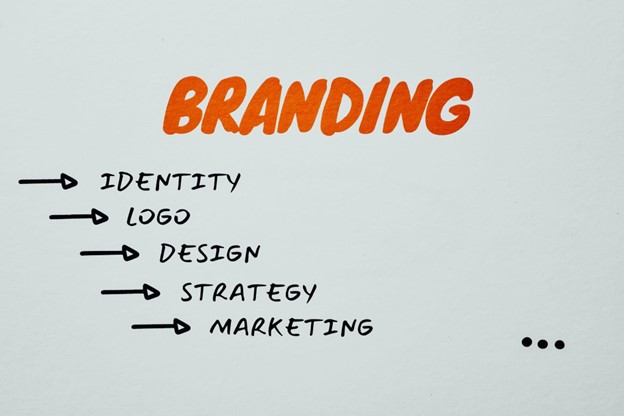
The goal of every business is to metamorphose into a brand. Companies can achieve this by investing in their strategy and building their identity. Your target audience’s experiences and memories of your organization define your brand. To build a sustainable brand, you need to identify your values, customers, selling point, and communication style.
Your brand identity combines feasible elements — colors, texts, symbols, and illustrations to solidify customers’ perception of your brand. This is where a logo or insignia comes in very handy. It is important to add that a logo is not equivalent to your brand. Rather, it’s a propeller that helps reinforce what your essentials are.
Not Just a Logo
A good logo communicates your values and projects your vision. Your logo is customers’ first impression about your organization and should ooze professionalism and quality. It provides good visibility and awareness to set you apart from the crowd. An effective logo is simple, making it replicable across different platforms and easy to remember.
Brand marketing is all about being top of mind when customers need to make a purchasing decision. A branded insignia should be distinctive and appropriate for the specific industry. Branded insignia can be a powerful identifier for any brand that features them. Here’s how to use an insignia that stands out to make a lasting impression on customers.
A Logo Worth a Thousand Words
A brand logo is a center of attraction that invites customers to get to know your business. It gives a physical appeal that drives brand recognition. With the level of market competition and saturation, an insignia sets you apart. It helps people resonate with your brand and improves customer loyalty.
Your brand logo precedes your business and increases your reach and exposure. A powerful logo should be easily recognizable by your audience. Look at brands like Nike, Apple, Pepsi, Coca-Cola, and McDonald’s; the logo sticks even if you don’t purchase from them. These brands found a way to combine colors, typography, and designs simplistically to create familiarity.
Merchandized Branding
With brand marketing, the goal is to appeal to a broad audience and bring in individuals that are particularly interested in your services. To grow and popularize your brand, you need to distinguish yourself with your imagery and perception. Here are strategies you can implement to merchandize your brand.
Understand Your Target Audience
As with all great brands, you cannot afford to assume everybody is your customer. This costly assumption will dilute your marketing effort. Evaluate your service or product and determine those whose problems you’d solve. For better results, conduct market research to understand clients’ perspectives and expectations.
Craft Brand Positioning
Your brand positioning should be powered by the big why behind your enterprise. It should align with a greater cause your brand aspires to. Now you want to identify your unique selling point, what sets you out from the crowd. A well-crafted positioning statement helps shape the audience’s perception of the brand.
Hone Your Voice
It is essential to determine the tone of voice you want to communicate in. Your brand voice and personality give a human side to your brand. It helps you create a connection and build a long-lasting relationship. Then coin your brand story into a catchy tagline.
Diversify Branded Product
After developing a tagline and a logo, you want to create a branded product to spread brand imagery. Easily distributable materials like custom pouches, pens, bags, mouse pads, and mugs help create awareness.
Keep It Simple
In building a sustainable brand, there are recurring design elements you want to pay attention to, certain aspects of modern branding that are consistent irrespective of your industry. While crafting a logo for your business, your logo choice must be simple and easy to understand. A simple design is easily replicable on merchandise materials and across different platforms.
Hiring an expert graphic designer who understands color psychology and how it affects brand perception is important. Colors affect consumer behavior and set the tone for the relationship. Ensure to use a textography that aligns with the logo design. Regarding shape psychology, it is important to understand how humans view logo shapes and what shapes represent. Circles in logos represent family, relationship, and unity. Squares indicate stability, balance, and strength. Knowing your values, purpose, and vision helps you determine correlating shapes.
Make it Count
Your logo is a communication tool that will precede you. Your customers will constantly contact it via your website, social media, packaging, and business card. You want to ensure it makes a good first impression and leaves a strong statement.