


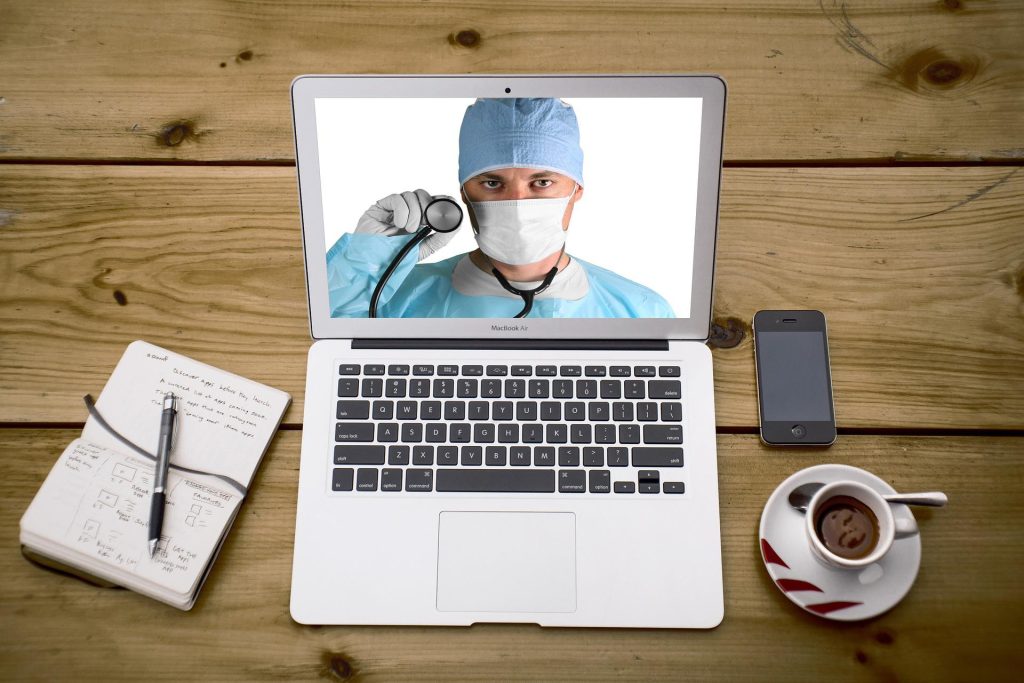
As with every other walk of life, technology is changing the way the healthcare system works. Unlike in times gone by, today, pretty much everyone has access to a computer or smartphone, and due to this fact, all industries have had to keep up. We have access to so much more information than ever before too. This fact is driving change on an unprecedented scale, and this change can be found in all areas of the healthcare system.
Health Awareness
With greater information comes a greater awareness and possibly paranoia too. With instant aces to symptom checkers and a plethora of healthcare advice online, everyone has the power to self-diagnose, although not always accurate. With this awareness, doctors and nurses are busier than ever before. This awareness is driving the need for things such as chatbots, where communication can be done with virtual doctors online, saving time for both patients and doctors.
Artificial Intelligence
Artificial intelligence in the healthcare system can easily gather, analyze and interpret vast amounts of patient information. It can assist in many different ways, too, such as speeding up diagnoses and making them far more accurate. More data is better when it comes to health, so wherever the data was collected, whether at the hospital, doctor surgeries, pharmacy, etc., it doesn’t matter. Data sharing combined with AI can advance the care an individual patient will receive.
Robot-Assisted Surgery
Robot surgeons really are a thing of the future, but it is possible to see it as a reality soon. Robots have a huge advantage over humans. They are far more accurate every single time. They do not tire and are not prone to lapses in judgment. A robot, therefore, could make a far better surgeon in the future. However, at the moment, surgeons are being assisted by robots which increases the preciseness of the operation. It also reduces the among of stress a surgeon may feel. All this helps the patient have a better operation, and this reduces recovery time.
Medical Testing
It is now possible for medical testing to be done at home. Covid tests are a testament to this. However, sterile instruments can be sent to your address, so you can send off vials of blood for laboratory testing too. These tests allow more information to be added to the mainframe, once more assisting the medical professionals in making better diagnoses. The more information the mainframe has, the easier it will be to create personalized aid. Brad Schaeffer of MedComp is pioneering the concept of personalized aid, using technology to advance this.
Virtual Reality
Virtual reality technology is becoming more and more important in the healthcare arena. There are so many potential applications for it. It can clearly be used by trainee surgeons to practice or more seasoned surgeons to learn a new technique to practice. However, arguably a better use for it is to help patients recover from their injuries. One example of its use is in the burn wards, where burn victims use VR as a distraction from their pain. This distraction actually means that they heal more quickly.