


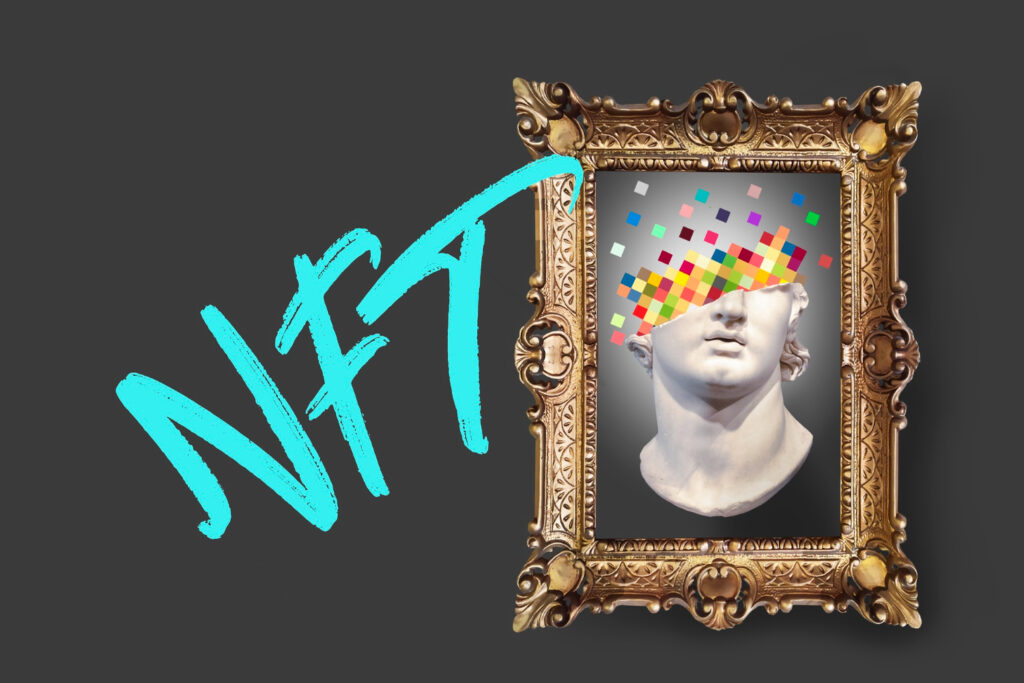
In the ever-evolving landscape of technology and art, a groundbreaking convergence has been unfolding at the intersection of digital art and virtual realities. Developers are skillfully fusing Non-Fungible Tokens (NFTs) with immersive virtual worlds, creating a paradigm shift in the way we perceive and interact with art. As you venture into the realm of digital currencies, it’s crucial to select a trustworthy exchange like Bitcoin Bot that prioritizes user security and provides a seamless trading experience. This article delves into this fascinating synergy, exploring the potential it holds for the future.
Pioneering Online Trading Platform
An innovative online trading platform that’s been making waves in the world of cryptocurrencies and digital assets. With its user-friendly interface and robust features, the online platform has become a go-to platform for trading, investing, and managing digital assets. The platform’s commitment to security and efficiency has earned it a stellar reputation among crypto enthusiasts. Now, let’s delve into how online platform is connected to the exciting integration of NFTs in virtual realities.
The NFT Revolution Unleashed
NFTs have taken the world by storm, allowing artists to tokenize their digital creations and sell them as unique, irreplaceable assets. These tokens have unlocked new revenue streams for artists and collectors while challenging conventional notions of ownership and authenticity. Now, developers are pushing the boundaries further by merging NFTs with virtual realities. Here’s a closer look at this paradigm shift:
NFTs in Virtual Realities: A Marriage of Creativity
Innovative Possibilities Unleashed
The fusion of NFTs and virtual realities opens a world of possibilities. By integrating NFTs into virtual experiences, developers are redefining the way we consume and appreciate art. Here are some of the innovative applications:
- Digital Galleries: Imagine walking through a virtual gallery where each artwork is an NFT. Users can view, interact with, and even purchase these unique pieces, creating a more immersive and dynamic art appreciation experience.
- Virtual Museums: NFTs allow museums to curate digital collections, making art accessible to a global audience. Visitors can explore exhibits from the comfort of their homes, acquiring tokens representing the art on display.
- Gaming and Entertainment: NFTs have been integrated into virtual worlds, games, and entertainment experiences, where in-game assets and skins can be bought and sold as unique tokens. This adds value to virtual items and enhances user engagement.
The Role of Online Trading Platforms in NFT Integration
As the world of NFTs and virtual realities expands, platforms play a crucial role in supporting this burgeoning ecosystem. Here’s how online platform contributes to this innovative movement:
- NFT Trading: The online platform provides a secure and efficient marketplace for trading NFTs. Artists and collectors can confidently buy and sell their digital creations or collectibles, thus further promoting the NFT culture.
- Asset Management: The platform offers a robust system for managing digital assets, ensuring that NFT holders have a safe and organized way to store and showcase their tokens.
- Access to Cryptocurrencies: The online platform’s seamless integration with various cryptocurrencies ensures that users can easily acquire the digital currencies required for purchasing NFTs or participating in virtual reality experiences.
Challenges and Opportunities
Unlocking New Revenue Streams for Artists
The integration of NFTs in virtual realities presents a unique opportunity for artists to monetize their creations. Artists can receive royalties every time their NFT is resold, ensuring ongoing income and recognition for their work.
Concerns About Accessibility
While the marriage of NFTs and virtual realities promises an exciting future, there are accessibility concerns. The cost of VR equipment and the technical know-how required can be barriers for some users. Developers need to address these challenges to ensure a more inclusive experience.
Conclusion
The merging of NFTs and virtual realities is a thrilling frontier that promises to reshape the art world and how we engage with it. Developers are pioneering this integration, unleashing a world of creative opportunities and experiences that were once unimaginable. As technology continues to advance and the NFT space evolves, we can expect even more breathtaking innovations on the horizon, changing the way we perceive, create, and trade digital art forever. The NFT revolution has only just begun and with the support of platforms set to reach new heights in the coming years.