


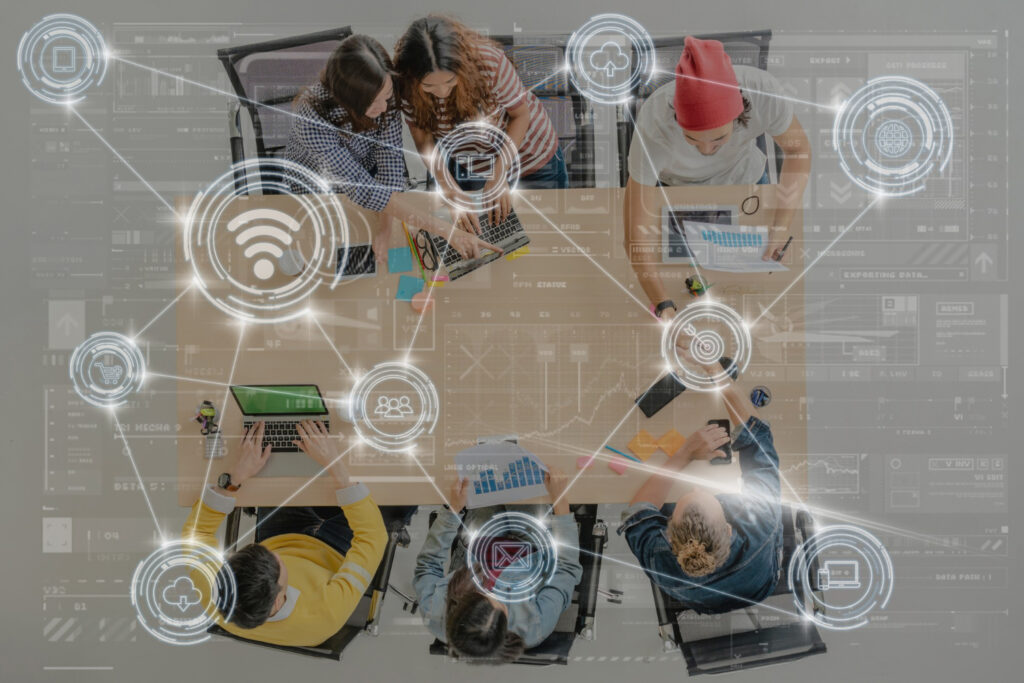
Technology has completely transformed how we communicate and collaborate with our colleagues. With technological options, organizations can enhance employee connections and boost productivity, motivation, and overall job satisfaction.
However, while these options provide convenience and efficiency, there are concerns about how technology impacts face-to-face communication. In this article, we will delve into the effects of technology on face-to-face communication in the workplace and its implications for employee engagement.
The Role of Technology in Communication
Through video conferencing tools, instant messaging apps, and project management software, employees can now interact with their colleagues when they are not physically present. This connectivity allows for collaboration among teams that are geographically dispersed. Therefore, it isn’t surprising that companies use employee engagement solutions like the Bites app, Trackstar, Lattice, and more.
Implications for Face-to-Face Communication
While technology offers advantages, it can also create barriers to face-to-face communication. When individuals heavily rely on communication channels, opportunities for interactions become limited. The nuances of body language cues and non-verbal expressions that contribute to conversations are lost in the realm of technology. Thus, listed below are the implications of face-to-face communication.
1. Effects on Employee Engagement
Face-to-face communication fosters employee engagement by creating a sense of belonging and trust within a team. When employees have chances to interact with each other outside of emails or virtual meetings, they build relationships. These connections contribute to motivation and productivity levels. Recognizing team efforts through an employee recognition program during face-to-face moments can make employees feel appreciated and encourage continued collaboration.
2. Challenges of Communication in a Virtual Setting
Virtual communication presents challenges compared to face-to-face interaction. Misunderstandings often happen when relying solely on written words or digital platforms that lack tone and context. Moreover, virtual meetings may lack the spontaneity or informal conversations that help strengthen connections among team members.
Striking a Balance between Technology and Face-to-Face Interaction
Organizations need to find a balance between face-to-face interaction to maintain employee engagement while making the most of technology’s advantages.
1. Encourage In-person Meetings
Organizations should prioritize opportunities for employees to meet in person whenever feasible. It can be accomplished through team retreats or off-site gatherings, allowing team members to engage in personal conversations.
2. Utilize Video Conferencing
While face-to-face meetings may not always be possible, video conferencing tools can bridge the gap. Engaging in communication helps capture verbal cues, creating a more personal feeling despite being physically apart.
3. Encouraging a Culture of Active Listening
Promoting and developing listening skills among employees is important to ensure communication in virtual and in-person settings. When teams actively listen to one another, it helps establish rapport and understanding, ultimately maximizing employee engagement.
4. Creating Virtual Spaces for Casual Communication
Consider implementing communication platforms that provide opportunities for interactions among team members. This allows employees to connect on a level through group chats or virtual lunchrooms.
Benefits of Finding the Right Balance Between Technology and Face-to-Face Communication
Striking a balance between technology-based communication and face-to-face interactions can lead to employee engagement
1. Enhanced Collaboration
Building relationships through face-to-face interactions fosters collaboration within teams. When there is a connection, employees are more likely to share ideas, provide support, and work together towards goals.
2. Increased Trust
Face-to-face communication enables employees to build trust by observing body language cues and expressions. It enhances cooperation and strengthens teamwork.
3. Improved Problem Solving
In-person interactions facilitate time for problem-solving and brainstorming sessions where team members can bounce ideas off each other without delays or misunderstandings.
The Significance of Training for Face-to-Face Communication Skills
Aside from finding the balance between technology and face-to-face communication, organizations should prioritize providing training and support to help employees develop face-to-face communication skills. This type of training is crucial for employees at all organizational levels. Here’s why it matters.
1. Building Relationships
Face-to-face communication allows individuals to establish and nurture meaningful relationships with their colleagues. By investing in training programs that enhance communication skills, employees can develop rapport, empathy, active listening, and conflict resolution abilities – all of which are essential for fostering interpersonal connections.
2. Non Verbal Communication
In face-to-face interactions, non-verbal cues like body language, facial expressions, and tone of voice play a role in conveying messages. Learning to interpret and utilize these cues effectively can greatly enhance the quality of interactions.
Conclusion
Organizations need to acknowledge technology’s impact on face-to-face communication in their workplaces. While embracing technology enables collaboration across distances, it is equally important to invest in opportunities for in-person interactions to promote employee engagement.