


In today’s fast-paced world, ensuring security has become a concern for both individuals and businesses. Given the evolving landscape of threats, it is crucial to implement measures that guarantee safety and peace of mind. In this blog, we will delve into the partnership between technology and human patrols in security, highlighting how their combined efforts bolster security measures.
1. The Role of Patrolling Technology in Security
Before we get into patrolling technology, it is important to understand what is patrolling in security. It is the act of walking and watching over an area. It includes periodic rounds and surveillance.
Patrolling technology has transformed the security industry by providing tools and solutions to combat threats. Modern security infrastructure relies on surveillance cameras, access control systems, alarm systems, and biometric devices.
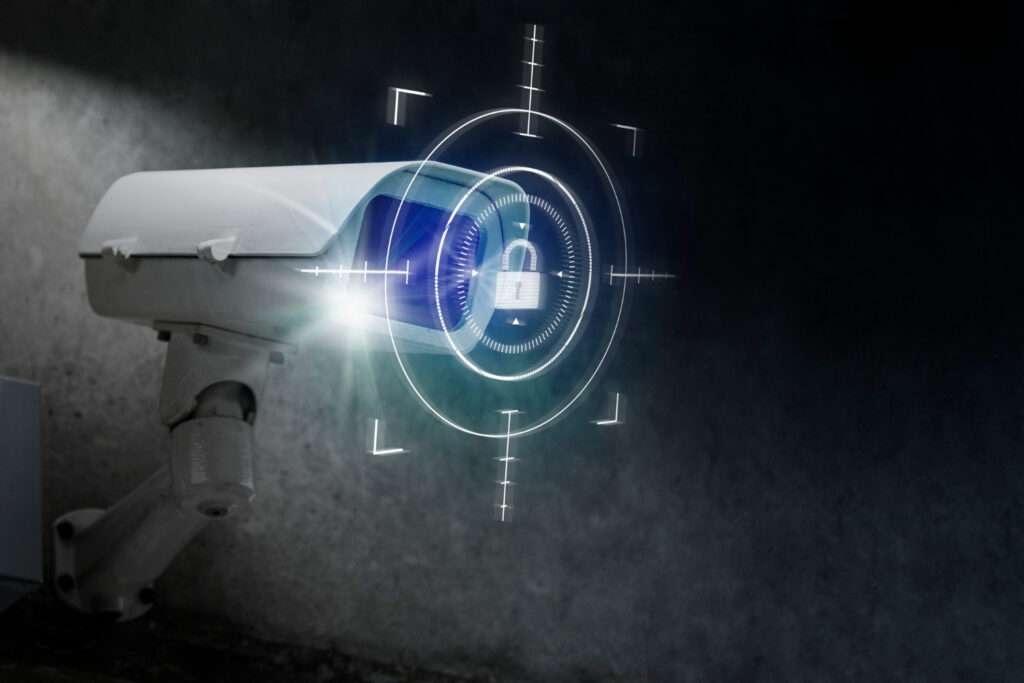
a) Surveillance Cameras
Surveillance cameras play a significant role in deterring crime and capturing evidence during incidents. Equipped with video analytics, high-definition IP cameras have the capability to automatically detect activities. By recording activities around the clock, these cameras provide evidence that can aid investigations.
b) Access Control Systems
Access control systems ensure that authorized individuals can enter areas. Whether through swipe cards or biometric scanners such as fingerprint or facial recognition technology, access control systems significantly minimize the risks associated with entry.
c) Alarm Systems
Alarm systems are designed to detect attempts of intrusion. They strategically place sensors throughout the premises, ensuring responses when unauthorized access is detected. This serves as a deterrent for burglars.
2. The Importance of Human Patrolling
Although technology greatly enhances security measures, it cannot completely replace the significance of patrolling. Trained security personnel play a role in maintaining security protocols through their vigilance and proactive actions.
a) Visual Deterrence
The mere presence of guards acts as a deterrent to criminals or intruders, making them think twice before engaging in unlawful activities. Their visibility creates an atmosphere of authority and alertness within the premises, acting as a barrier against potential security breaches.
b) Immediate Response
Human patrolling enables on-site response, allowing security personnel to handle incidents efficiently. Trained guards possess the skills to quickly assess situations and take actions like confronting suspicious individuals or contacting emergency services if needed. This prompt response helps minimize the damage caused by activities.
c) Personal Touch
While technology provides surveillance capabilities, human patrolling adds a personal touch in many scenarios. Security guards develop relationships with occupants and employees, allowing them to gain insights into their routines and behaviors. It enables them to effectively identify risks or unusual activities, playing a role in preventing security threats before they even occur.
3. The Synergy Between Technology and Human Patrolling
Rather than considering technology and human patrolling as competing solutions, viewing them as components of an efficient security system is more beneficial. Combining the strengths of both approaches enhances the overall effectiveness significantly.
a) Real Time Monitoring
By integrating surveillance cameras with a centralized command center staffed by trained security personnel, real-time monitoring becomes possible. Skilled operators can efficiently analyze live camera feeds without any spots while promptly dispatching guards to respond when suspicious activities are detected. This collaborative effort greatly reduces response time during emergencies.
b) Utilizing Data Insights
Technology allows for the collection of amounts of data that can be leveraged for threat analytics and decision-making processes. Experienced security experts can examine these archives for patterns identifying areas of activity or weaknesses in existing protocols. By combining this data analysis with expert knowledge, proactive, informed decisions can be made to enhance security measures.
Conclusion
To sum up, effectively implementing security measures requires a combination of technology and the presence of human security personnel. While technology may lack judgment and immediate response capabilities, trained guards compensate for these shortcomings. The collaboration between state-of-the-art surveillance systems and vigilant human guards creates a defense against threats, ensuring peace of mind. Whether it’s safeguarding commercial or industrial spaces, finding the right balance between technology and human patrolling is crucial for protection.