


In the realm of technological advancements, laser technology stands out as a beacon of innovation, revolutionizing industries and improving lives across the globe. The acronym “laser” stands for Light Amplification by Stimulated Emission of Radiation, a process that produces highly focused, coherent light beams. From their inception in the 1960s, lasers have evolved significantly, with today’s technology showcasing a variety of lasers tailored for specific uses. This article dives into cutting-edge laser technologies and how they are changing the world in remarkable ways.
Advanced Laser Types and Their Innovations
Ultrafast Lasers:
Ultrafast lasers, capable of emitting light pulses that last for femtoseconds (one quadrillionth of a second), are pushing the boundaries of science and manufacturing. They enable precise material processing, including in the medical field for eye surgery and in electronics manufacturing for circuit patterning.
Quantum Cascade Lasers (QCLs):
QCLs are specialized for emitting laser light in the mid- to far-infrared spectrum. They are pivotal in environmental monitoring, detecting trace gases in the atmosphere with unprecedented precision, thus playing a crucial role in addressing global climate change.
Fiber Lasers:
Fiber cutter machines stand out for their efficiency, beam quality, and reliability. Their applications have expanded into heavy industry for cutting and welding tasks, telecommunications for data transmission, and even in creating detailed medical devices and implants.
Extreme Ultraviolet (EUV) Lasers:
EUV laser technology, which produces light in the extreme ultraviolet spectrum, is revolutionizing the semiconductor industry. It allows for the creation of microchips with features smaller than ever before, leading to faster and more efficient electronic devices.
Solid-State Dye Lasers:
These lasers, which use organic dyes in solid matrices as the lasing medium, offer tunable output wavelengths. This flexibility makes them ideal for a range of applications, from scientific research to medical diagnostics and treatments.
Transformative Impacts Across Sectors
Manufacturing Efficiency and Innovation:
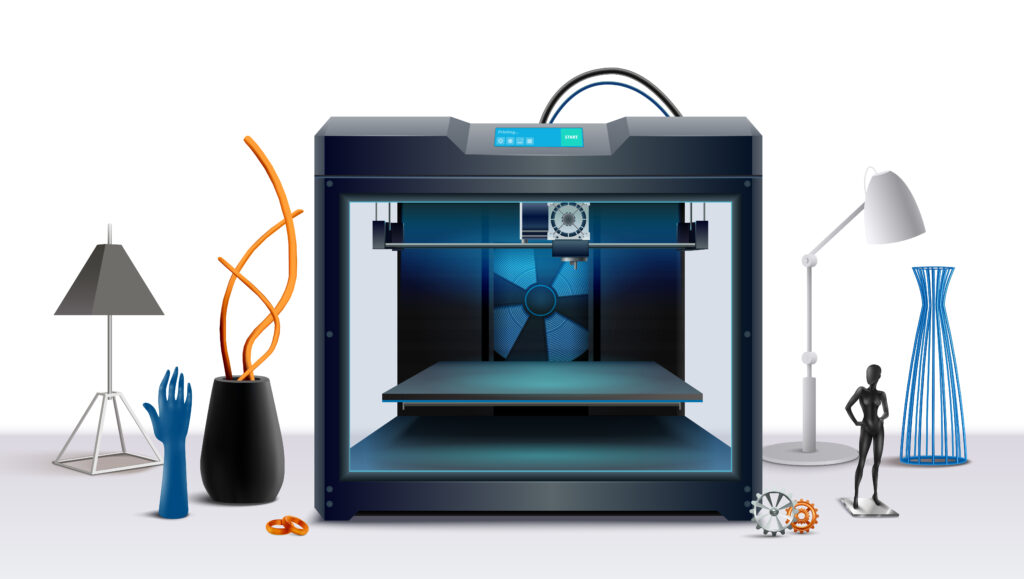
The precision and efficiency of laser technology have transformed manufacturing processes. Laser cutting and welding offer unmatched accuracy and speed, reducing waste and improving product quality. In additive manufacturing, or 3D printing, lasers are used to melt and fuse materials, layer by layer, to create complex structures that were previously impossible.
Medical Breakthroughs:
Lasers are at the forefront of medical innovations, offering less invasive alternatives to traditional surgeries and treatments. Laser technology in oncology can target and destroy cancer cells with minimal damage to surrounding tissues. In dermatology, lasers provide a range of cosmetic and therapeutic treatments, from skin rejuvenation to the removal of tattoos and birthmarks.
Beyond skin rejuvenation, these advancements have extended into the realm of body contouring and fat reduction. For those seeking targeted results, advanced treatments like laser liposuction from Botonics offer a precise, minimally invasive way to address stubborn areas that traditional methods might miss. This reflects the broader shift toward using light-based energy for increasingly refined and patient-friendly healthcare outcomes.
Environmental Monitoring and Protection:
Laser-based sensing technologies, such as those employed in LIDAR (Light Detection and Ranging), are crucial for environmental monitoring. They can map forests, monitor air pollution levels, and even track the melting of ice caps, providing valuable data for climate science and conservation efforts.
Enhanced Communication Networks:
The backbone of the internet and global telecommunications relies heavily on fiber optic cables, where laser technology is used to transmit vast amounts of data over long distances. Innovations in laser technology continue to increase bandwidth and data transmission speeds, facilitating the growing demand for high-speed internet access.
Defense and Security:
Lasers are also playing a pivotal role in defense, with developments in laser-based weapons systems capable of intercepting drones, missiles, and other threats. Additionally, lasers are used in secure communication systems that are virtually immune to eavesdropping.
As we gaze into the future, the potential of laser technology continues to expand, promising even more revolutionary changes across various domains. From enhancing the precision of medical procedures to enabling the next generation of manufacturing and communication technologies, lasers are indeed lighting the way toward a brighter, more efficient, and innovative future.