


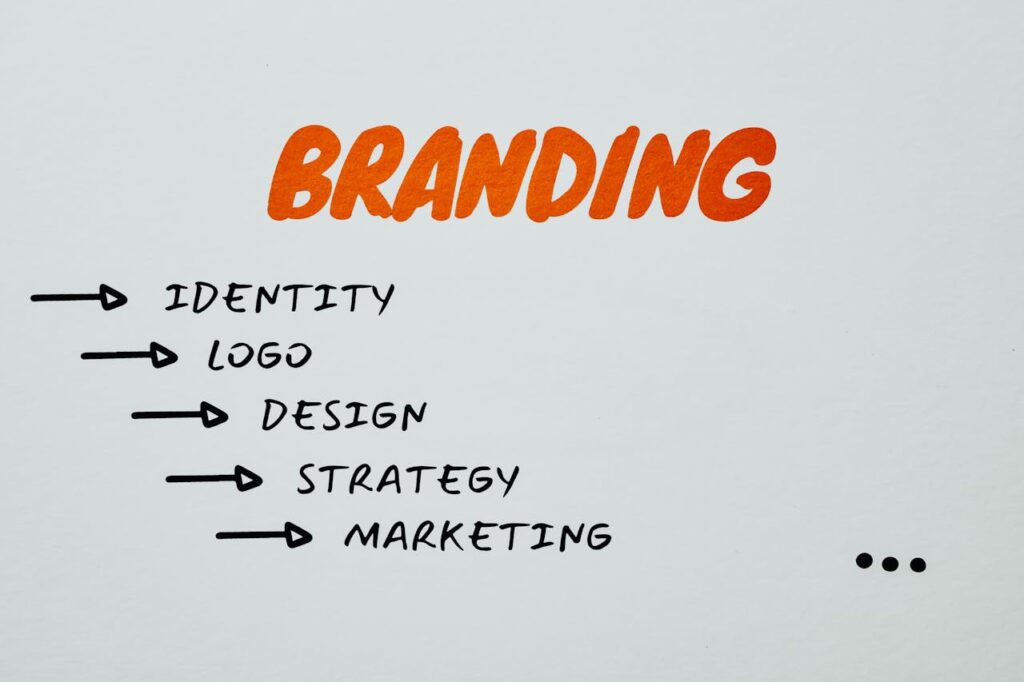
Nowhere is clear communication more important for a business than in how they communicate with their customers and clients. Helping them understand not just what you do, but your values in doing it, the specific advantages you offer over your competitors, and your level of care and service is vital. To do that, however, you need to work out which communication tools you should be relying on. Trying to reach out without the right tools to hand can leave your approach lacking. Here are some of those tools to keep in mind.
A brand story
First of all, you have to know the standpoint from which you are communicating. This is your brand. There are a lot of brand essentials that you should ensure you put together, but one of the most important is your brand story. This is the core narrative that the rest of the branding is built around. For some businesses, a unique selling proposition is strong enough to be a brand story. For others, it might be about personal dedication and connection to your craft, and for others, it might be a unique relationship with a specific customer niche. Figure out your brand story first, and the rest can grow from that.
Your own style
The brand story is the emotional and narrative heart of your business, but your messaging is going to need more than that. It needs tangible assets. It needs visuals, colour schemes, typography, language choices, and more. Working out what fits the spirit of your brand and helps you stick true to the brand story is vital, and keeping it consistent once you do that is even more important. This is why a lot of brands will create a style bible full of precisely these things, which allows you and any outsourced partners, to replicate this key part of your messaging.
A direct message
Don’t forget that you’re here to send a direct message. Usually, that message is to buy something, sign up for a service, or otherwise take a further step down the marketing funnel you’re setting up. Working with a digital marketing ads agency is often one of the best ways to work out which direct message you’re trying to put out. Connecting your intent with the brand identity you have built up, and shaping it to speak specifically to the needs and urges of your market is a careful dance, so it’s best done with someone who knows the steps.
Ongoing conversation
For most businesses, you want more than just one sale or one service completed, you want an ongoing relationship with your customers. To that end, you have to make sure that you’re keeping up with the conversation in the long term, as well. Using social media and content marketing, for instance, can ensure that you’re putting out a steady stream of content that continuously reinforces the values of your brand, while also keeping the funnel open to welcome repeat customers.
Good communication is all about knowing your tools, first and foremost. Start with those above and work from there.