


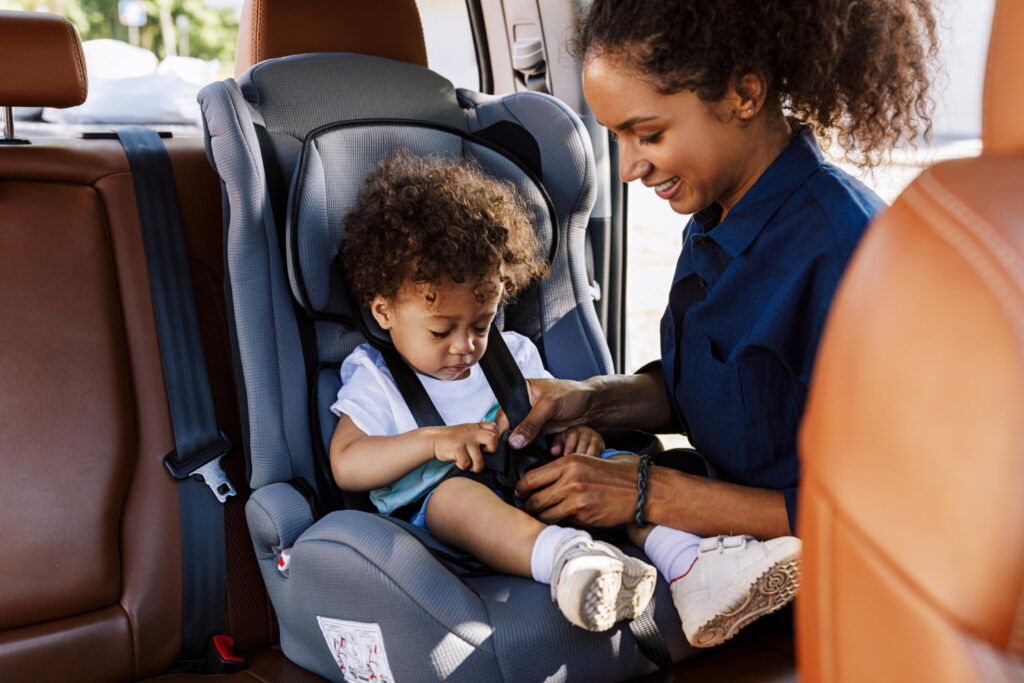
Driving with children in the car can be a rewarding experience, offering opportunities for family bonding and adventure. However, ensuring their safety on the road is paramount.
One aspect of child safety that often concerns parents and caregivers is determining the appropriate age for kids to sit in the car’s front seat. Whether it’s a short trip to the grocery store or a cross-country road trip, taking precautions and adopting safe driving practices is essential for protecting young passengers.
According to the National Highway Traffic Safety Administration (NHTSA), motor vehicle crashes are a leading cause of death for children in the United States. Many of these tragedies can be prevented through proper planning, clear communication, and diligent adherence to safety guidelines.
Preparing for the Trip
Before embarking on any journey with children, it’s crucial to ensure that the vehicle is in optimal condition. Regular maintenance checks, including tire pressure, fluid levels, and brake functionality, can help prevent mechanical issues that may compromise safety.
Investing in high-quality car seats and restraints appropriate for each child’s age, weight, and height is essential. Double-checking that these restraints are properly installed and securely fastened adds an extra layer of protection.
Packing essentials such as snacks, drinks, and entertainment items can help keep children comfortable and occupied during the trip.
Setting Expectations and Rules
When traveling with children, establishing clear expectations and rules is paramount to ensuring their safety and well-being throughout the journey. Here are some essential guidelines to communicate to your young passengers:
- Buckle Up Every Time: Emphasize the importance of wearing seat belts and using appropriate car seats or booster seats at all times, even for short trips.
- Stay Seated and Still: Encourage children to remain seated and avoid unnecessary movement while the vehicle is in motion. Remind them that sudden stops or swerves can be dangerous.
- No Distractions: Discourage behaviors that could distract the driver, such as loud noises, sudden movements, or fighting with siblings. Encourage quiet activities like reading or playing with quiet toys.
- Respect the Driver: Teach children to respect the driver’s concentration and refrain from demanding attention or engaging in disruptive behavior.
- Be Patient: Remind children to be patient during the journey, especially during long drives or traffic delays. Encourage them to find ways to occupy themselves and stay calm.
- Follow Safety Instructions: Teach children how to exit the vehicle safely in case of an emergency and remind them to listen to safety instructions from adults.
Minimizing Distractions
In today’s digital age, distractions in the car are more prevalent than ever, posing significant risks to driving safety, especially when children are present. To minimize distractions and ensure focus on the road, it’s essential to implement strategies that keep young passengers engaged without diverting the driver’s attention.
One effective approach is to limit the use of electronic devices, such as smartphones and tablets, during the journey. Instead, provide alternative forms of entertainment, such as books, puzzles, or interactive games, that promote quiet and focused activities.
Organizing these distractions in advance and making them easily accessible can help prevent impulsive behavior that may lead to distractions. Addressing potential sources of distraction, such as hunger or discomfort, before starting the trip can help maintain a calm and focused atmosphere in the vehicle.
Planning Rest Stops
Long drives with children can be demanding, both physically and mentally. Planning regular rest stops along the route is crucial for maintaining everyone’s comfort and safety.
Researching and identifying suitable rest areas or pit stops before the journey ensures that breaks can be taken at convenient intervals. These stops provide opportunities for stretching legs, using restroom facilities, and refueling both the vehicle and its occupants.
Incorporating activities during rest stops, such as short walks or simple games, can help children release pent-up energy and stay engaged during breaks. Allowing ample time for rest stops reduces the likelihood of driver fatigue, enhancing alertness and overall driving performance.
Practicing Safe Driving Habits
Maintaining safe driving habits is paramount when traveling with children to ensure their well-being and the overall safety of the journey. Here are some essential habits to adopt:
- Maintain a Safe Following Distance: Always keep a safe distance between your vehicle and the one in front to allow for adequate reaction time in case of sudden stops or emergencies.
- Adhere to Speed Limits: Observe posted speed limits and adjust your driving speed to match road and weather conditions. Speeding significantly increases the risk of accidents, especially with young passengers onboard.
- Demonstrate Attentive Driving: Stay focused on the road at all times, avoiding distractions like texting, eating, or adjusting entertainment systems while driving. Your full attention should be on the task of driving safely.
- Use Signals and Mirrors: Signal your intentions early and check your mirrors regularly to maintain awareness of surrounding traffic. Clear communication and awareness of your surroundings are crucial for safe maneuvering.
- Anticipate Potential Hazards: Scan the road ahead for potential hazards, such as intersections, pedestrians, or erratic drivers. Anticipating these risks allows you to react proactively and avoid dangerous situations.
Handling Emergencies
Despite meticulous planning and safe driving practices, emergencies can still arise on the road. It’s crucial for parents and caregivers to be prepared to handle unexpected situations effectively.
Preparing an emergency kit for the vehicle is a proactive measure that can provide essential supplies in times of need. Items such as first-aid supplies, roadside assistance tools, and emergency contact information should be readily accessible.
Knowing how to respond to common roadside emergencies, such as a flat tire or engine trouble, can help minimize disruptions and ensure the safety of everyone in the vehicle. Maintaining a calm and reassuring demeanor during emergencies can help alleviate anxiety and stress for children.
Driving safely with children requires careful planning, clear communication, and a commitment to prioritizing their well-being. Remember to practice safe driving habits, address motion sickness proactively, and encourage positive reinforcement throughout the trip.
Making safety a priority and fostering a supportive atmosphere in the vehicle, can create lasting memories while minimizing risks on the road. With diligence and preparation, parents can navigate the highways and byways with confidence, knowing they have taken the necessary steps to protect their most precious cargo.