


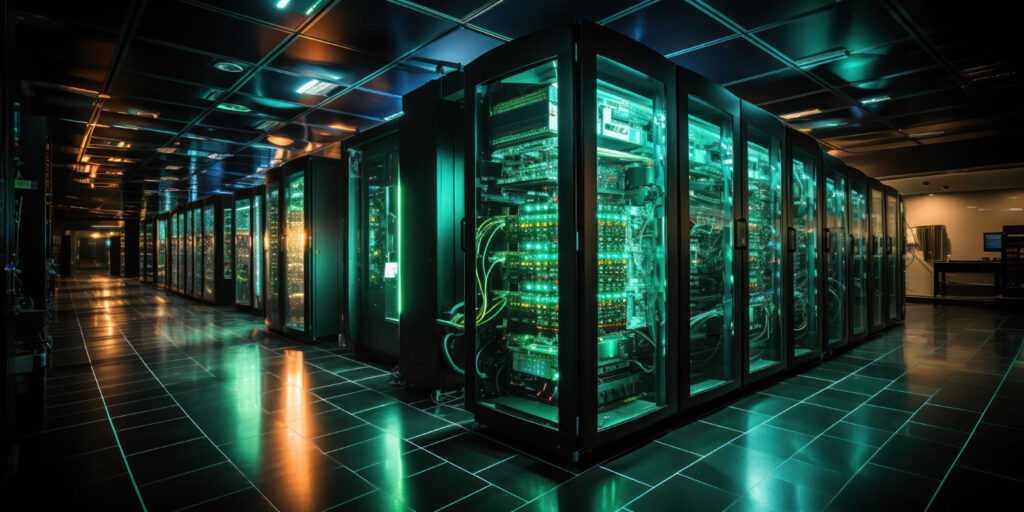
Your data center is the heart of your organization. Your data center handles everything from processing, analyzing, and storing information to keeping staff online. If your data center goes down, daily operations grind to a halt, and this means ensuring reliable power distribution in data centers.
Unfortunately, relying solely on utility-provided electricity isn’t enough to ensure your data center always has power. You also need an uninterrupted power supply (UPS). So, what is a UPS system, and are the benefits worth the expense? We’ll take a look at this and more in the following paragraphs.
What is an Uninterrupted Power Supply System
An uninterrupted power supply system or UPS system is a device that provides continuous electricity even if the grid goes down.
A UPS system ensures there’s a seamless switch from grid-provided power to the backup system. Ideally, the loss of power only lasts for a second or two. Some UPS systems also provide shielding to sensitive equipment to protect against damaging power surges.
Types of UPS Systems
UPS systems aren’t a one-size-fits-all data center kind of design. While all are designed to provide uninterrupted power during an electrical failure, the configuration can vary to meet the needs of different types of equipment.
However, all UPS systems typically have a level or more of redundancy. Think of this as added protection to ensure everything stays functional during a power outage.
Which type of redundant UPS system typically depends on the size and scope of your data center:
- N+1 redundancy: This type of system is the simplest and easiest to install. For smaller data centers, a single, extra power module is usually enough to keep everything up and running.
- 2N redundancy: If you have IT equipment at the enterprise level, you’re probably going to need a dual power supply. This system has an A and B side that can support entire power loads. Mid-size data centers can usually keep operating with this type of power module.
- 2 (N+1) redundancy: As the name implies, this power module uses multiple sources. You get N+1 redundancy on both sides to keep larger data centers going when the lights go out.
As you can see, the type of USP system best suited for your data center typically depends on its size and which components you decide are essential for daily operations. For example, a large data center may be able to get by with 2N or even N+1 redundancy if only a few computers need to remain operational.
Benefits of Installing a UPS System
Some of the benefits of having an uninterrupted power supply system are fairly obvious. You can stop worrying about what happens if the power goes out. With a UPS system, the lights are always on in your data center. Other benefits may not be as noticeable but this doesn’t mean they’re not important.
Eliminating Downtime
When your data center is down the losses can be significant. Not only is your organization losing money but you also need to worry about the potential hit to your company’s reputation. When your reputation is tarnished, even slightly, it can take years to regain consumers’ trust.
Now, you’re spending extra money on an unexpected marketing campaign geared at regaining consumer loyalty. For most businesses, there are better ways they can spend these funds. Sometimes, a brand never fully recovers after an extended downtime. “Downtime affects more than just immediate operations. Reliable power and infrastructure resilience play a critical role in protecting both business continuity and customer trust, especially when unexpected disruptions occur,” says a representative from Datum, one of the UK’s leading colocation data centres.
Helping to Ensure Data Safety
Data is vital for your business’s smooth operation. You also need to worry about meeting industry compliance regulations. Most types of data, like personal identifiable information (PII), are strictly regulated. In other words, the data must be protected and uncompromised to avoid potential fines and other penalties.
Some states like California even have additional guidelines that go far beyond federal standards. In other words, you need to meet all compliance requirements which can include industry, state, and federal guidelines. If you’re doing business in Europe, there are even more regulations to meet.
When your data center suffers a power failure, all of your information can be at risk. A UPS system can help you avoid this problem and it may even be an industry requirement.
Minimize Potential Equipment Damage
Power surges and interruptions can be hard on sensitive electronics, and even your study laptop can take a beating when the power is interrupted. Surge protectors like power strips only go so far. They can offer some surge protection but aren’t going to keep the power flowing.
A UPS system effectively eliminates surges and interruptions. Most UPS systems kick in before the component realizes the power flickered. You can extend the life of your servers, laptops, network cables, and other equipment. Just imagine the savings when you aren’t replacing damaged equipment.
Lowering Utility Costs
Most companies are always looking for ways to reduce operating costs. An effective way is by reducing electricity expenses. Yes, a power failure does lower energy usage rates, but this is taking savings to the extreme. Your data center still needs power to remain operational.
UPS systems are designed for energy efficiency; you may not notice a huge decrease in utility costs, but every little bit adds up. Don’t forget, since you’re on an uninterrupted power supply system, your business is still operational and this means it’s bringing in revenue. You’re also saving on data recovery costs. Recovering data after a power failure is often an expensive and time-consuming process.
Support Your IT Department
There’s little you can do to get the power back on, this is a job for the utility provider. However, a UPS system can help support your IT department as it implements your disaster recovery plan (DRP). Your IT team has time to start backup protocols and shut down non-essential equipment.
Protect Your Data Center with a UPS System
Power failures can occur anywhere, regardless of whether your area is known for natural disasters. Manmade errors and cybersecurity attacks can lead to power outages lasting from a few minutes to several days.
Securing your data center with a UPS system ensures continued operations during emergencies. This proactive measure safeguards your business from expensive downtime and disruptions, enabling seamless workflow and minimizing financial losses.