


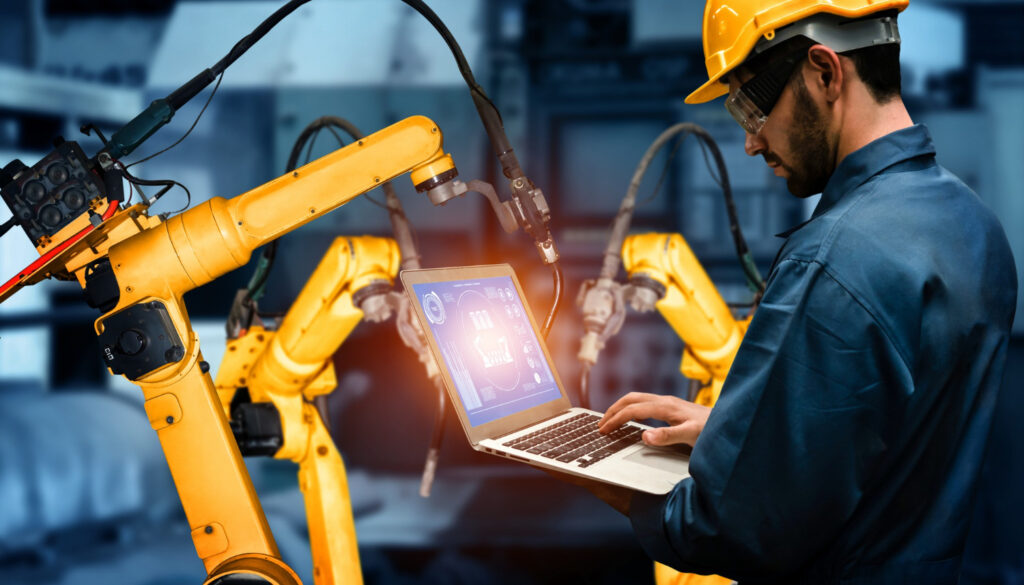
The Internet of Things (IoT) has transformed industries, including manufacturing. By linking machines, devices, and systems, IoT technology empowers manufacturers to boost productivity and operational efficiency while cutting costs. This post will explore how incorporating IoT in manufacturing can bring business advantages.
Enhanced Operations
Manufacturing IoT solutions provide real-time monitoring and analysis of facility machinery and equipment. Manufacturers can gain insights into machine performance, maintenance requirements, and potential bottlenecks through sensors and connected devices. This visibility facilitates operations and proactive maintenance.
Integrating solutions allows manufacturers to optimize manufacturing processes by identifying and addressing issues. Detecting problems early helps minimize downtime and enhance efficiency.
Proactive Maintenance
A significant benefit of IoT in manufacturing is maintenance. Traditional maintenance methods often rely on fixed schedules or manual inspections to determine when machinery needs servicing or repairs. This reactive approach frequently leads to downtime and unexpected breakdowns.
Continuous data collection occurs throughout the production process by utilizing enabled sensors. Manufacturers analyze data using machine learning algorithms, identifying patterns and anomalies that signal equipment issues or maintenance needs. This information allows them to create a maintenance plan to minimize downtime and lower maintenance expenses.
Supply Chain Optimization
The use of technology advances manufacturers’ supply chain management. Manufacturers gain visibility into their inventory status by employing sensors or RFID tags to track products across the supply chain.
Real-time data collection on factors like product location, temperature conditions, and shelf life expiration dates allows manufacturers to optimize inventory levels, reduce waste from spoilage or expiration, enhance demand forecasting accuracy, and improve order fulfillment processes. In addition to technological efficiencies, manufacturers are also reevaluating geographic sourcing decisions, with many comparing manufacturing costs in Vietnam versus China due to shifting tariffs and supply chain pressures.
Furthermore, integrating enabled asset tracking solutions into vehicles or containers carrying goods enables manufacturers to efficiently monitor shipments, streamline logistics operations, and decrease the chances of lost or stolen products.
Energy Efficiency
Integrating technology empowers manufacturers to enhance energy efficiency within their facilities. Sensors can be strategically placed throughout the manufacturing infrastructure to monitor energy consumption patterns effectively.
Manufacturers can pinpoint areas where energy efficiency enhancements are possible by leveraging real-time insights from enabled systems. When manufacturers utilize data to make decisions like optimizing equipment schedules or spotting opportunities for equipment upgrades, they can reduce energy waste, lower operational costs, and support sustainability.
Enhanced Workplace Safety
Enhanced workplace safety is crucial for manufacturing sites. IoT technology presents ways to improve safety measures. Manufacturing IoT devices with advanced technology, such as helmets or wristbands with sensors, track workers’ movements and health stats in real-time. These gadgets can detect irregularities or unsafe situations and send alerts for quick action.
Connected sensors that monitor real-time conditions help companies spot safety risks quickly. Whether identifying substances in the air or sending an alert when specific equipment strays from operating conditions, IoT technology is crucial in upholding workplace safety standards.
Quality Control and Data Analytics
Tech in manufacturing enhances quality control and data analytics. Connected sensors monitor aspects of the production process, such as temperature, pressure, humidity, and other crucial factors. Manufacturers can quickly catch deviations from quality standards by gathering and analyzing this data. This allows immediate action to address issues promptly, reducing waste and ensuring product quality.
The precision required for optimal manufacturing processes, often informed by such data, necessitates advanced material solutions, including the use of specialized components created through custom graphite machining. This advanced technique allows for the fabrication of parts with high thermal stability and excellent electrical conductivity, critical for components used in extreme industrial environments or sensitive electronic applications.
Furthermore, IoT data analysis offers manufacturers insights into production performance trends, pinpointing areas for enhancement or optimization. The capability to make data-based decisions contributes to improved resource allocation and efficiency and ultimately leads to increased customer satisfaction.
Remote Monitoring and Management
Another benefit of technology in manufacturing is the ability to remotely oversee and control operations across various facilities or geographically distant locations. Through dashboards or control panels, managers can access real-time data on machine performance, energy consumption patterns, inventory levels, and other crucial metrics.
This remote monitoring feature reduces the necessity for presence at each location while allowing responses to emerging issues. Businesses can proactively identify problems, enabling decisions on maintenance or production adjustments while reducing travel expenses linked with onsite checks.
Conclusion
Integrating IoT in manufacturing improves productivity, cost savings, and overall operational effectiveness. Utilizing real-time monitoring, predictive maintenance features, efficient supply chain management, energy-saving practices, and enhanced workplace safety measures are some ways IoT technology is transforming the manufacturing sector. Adopting manufacturing solutions driven by network companies can achieve a more assertive competitive edge and allow access to valuable insights to enhance decision-making processes. As the Internet of Things technology progresses and matures, manufacturing it will open doors for applications to fuel innovation in the industry sector.