


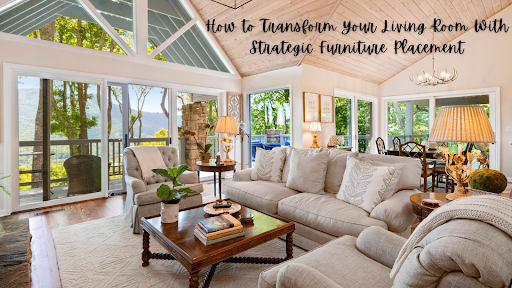
Are you one of the millions of homeowners looking to revamp their living room? According to a recent survey, 58% of homeowners prioritize renovating their living spaces, with strategic furniture placement being a top concern. By strategically arranging your furniture, you can unlock the full potential of your living room, creating a space that seamlessly blends style, functionality, and personal expression.
In this blog, we’ll explore practical tips, industry trends, and expert insights to help you achieve the living room of your dreams, regardless of size or budget constraints.
Assessing Your Space
Before you start transforming your living room, it’s crucial to understand the physical dimensions and natural flow of your space. This initial phase of analysis will serve as the foundation for creating a well-planned layout.
Grab a measuring tape and measure the length, width, and height of your living room. Note any architectural features, such as archways, pillars, or recessed areas, as these will influence the placement of your furniture. Additionally, identify any fixed elements like doors, windows, or fireplaces that cannot be moved or obstructed.
Consider the natural flow and traffic patterns within the room as you assess your space. Observe where people tend to enter and exit, as well as the paths they typically take when moving through the room. This will help you create a layout that facilitates seamless movement and prevents bottlenecks or awkward obstructions.
Understanding the unique dimensions and flow of a space is crucial for creating a functional and visually appealing living room design. It allows you to maximize the available square footage while ensuring comfortable circulation.
Choosing a Focal Point
Every well-designed living room has a focal point – a central feature that instantly draws the eye and sets the tone for the entire space. This could be a stunning fireplace, a large window with a breathtaking view, or even a statement piece of artwork. Arrange your living room furniture around this focal point to create a natural gathering area for social interactions.
For those working with small living room furniture layouts, careful planning is essential to maximize every inch of available space. In small spaces, consider small living room ideas that maximize space without sacrificing style. For instance, positioning a sofa against the wall and multi-functional furniture like ottomans with storage can open up the floor plan.
For more inspiration, exploring various living room ideas can provide creative solutions and fresh perspectives on optimizing your space. With thoughtful arrangement and the right pieces, your living room can become a stylish, inviting, and functional part of your home.
Large Furniture First
With a clear understanding of your living room’s dimensions and natural flow, it’s time to tackle the largest pieces of furniture. These anchor pieces will set the tone for the entire space and serve as the foundation for the rest of your design.
Start by positioning your primary seating area, typically a sofa or sectional couch, facing the room’s focal point – whether it’s a fireplace, a large window, or a statement piece of art. Ensure that the placement of this central seating area doesn’t obstruct natural pathways or block valuable light sources.
When arranging your large furniture pieces, consider the principles of balance and symmetry. For example, if you have a large sectional, you may want to balance it out with a complementary armchair or loveseat on the opposite side of the room. This creates a sense of visual harmony and invites conversation and interaction.
Strategically placing your living room sets is crucial for creating a functional living room design. These anchor pieces not only define the space but also set the stage for the rest of the room’s decor.
Remember, large furniture pieces are often the most challenging to rearrange, so it’s essential to get their positioning right from the start. Don’t be afraid to experiment with different arrangements until you find the perfect layout that strikes a balance between aesthetics and functionality.
Enhancing Functionality With Multi-Purpose Furniture
In today’s modern living room, every inch counts. That’s why multi-functional furniture is a smart way to maximize utility without compromising on style. Consider ottomans with hidden storage compartments or sleeper sofas that can accommodate overnight guests. These pieces are especially beneficial in small living rooms, allowing you to conserve precious square footage.
The luxury furniture market is expected to reach USD 61.57 by 2031, driven by the increasing demand for statement pieces that serve as captivating focal points.
The trend of compact spaces with multi-utility furniture has become increasingly popular, especially among millennials and Gen Z, who value versatility and space conservation.
Creating Conversation Areas
A well-designed living room should facilitate easy conversation and social interaction. After positioning your primary seating, arrange complementary chairs and smaller sofas in a semi-circular or rectangular configuration around the main sofa. Ensure that each seat has a clear view of the focal point, encouraging natural conversation flow.
Creating distinct conversation areas is essential for successful living room designs. It not only enhances sociability but also adds visual interest and depth to the space.
Maximizing Light and Space
Strategically placed mirrors can work wonders in creating the illusion of a more spacious and brighter living room. Position mirrors across from windows to reflect natural light, instantly brightening and opening up the area. Additionally, consider including reflective surfaces, such as glossy coffee tables or metallic accents, to further amplify the sense of spaciousness.
Mirrors are a classic design trick for enhancing light and creating the perception of more space, making them a popular choice in urban living spaces where square footage is often limited.
Smart Use of Accessories and Accent Pieces
After establishing the main furniture layout, add the finishing touches with carefully selected accessories and accent pieces. Area rugs can help define seating areas and add warmth underfoot, while strategically placed lamps provide layered lighting, creating a cozy and inviting ambiance.
Using natural materials and textures, a trend called biophilic design is becoming popular in the furniture industry because it connects people to nature and supports mental well-being.
Flexibility for Multi-Use
In today’s fast-paced world, flexibility is key. Design your living room to adapt to different activities and gatherings. Consider lightweight chairs or side tables that can be easily moved, allowing you to reconfigure the space as needed. This versatility ensures that your living room can seamlessly transition from a cozy lounge area to an entertaining space.
According to Your Story, direct customer selling and the process of making and launching a product have become less common, with a focus on online retail and social media marketing. This change has led to an increased demand for flexible and adaptable furniture designs that can cater to various lifestyle needs.
Vastu and Feng Shui Considerations
For those interested in energy flow and harmonious living spaces, consider these principles of Vastu and Feng Shui in your living room design. These ancient practices offer guidelines for furniture placement, color choices, and material selections to enhance positivity, comfort, and overall well-being.
The living room is considered the heart of the home, and its energy can significantly impact the overall atmosphere. By adhering to Vastu principles, you can create a space that radiates positive energy and promotes a sense of balance and tranquility.
By following these tips for strategic furniture placement, you can transform your living room into a harmonious and inviting haven that seamlessly blends style, functionality, and personal expression. Remember, the key is to think creatively, embrace industry trends, and tailor the space to your unique needs and lifestyle.
FAQs
1. What is the best way to make a small living room look bigger?
Utilize multi-functional furniture, light colors for walls and floors, and strategic placement of mirrors to reflect light and create a perception of more space. Additionally, incorporate vertical storage solutions to maximize every inch of your living room.
2. How do I arrange furniture in a long, narrow living room?
Place furniture in a way that divides the room into separate functional areas. Use vertical space effectively with tall shelving units, and ensure pathways remain clear. Consider floating furniture away from walls to create the illusion of a more open layout.
3. Can the placement of furniture impact the mood of the room?
Absolutely! The arrangement of furniture can significantly influence the flow of traffic, the ease of conversation, and the overall ambiance of the space. Creating distinct conversation areas and ensuring proper lighting can make the living room feel more inviting and comfortable.