


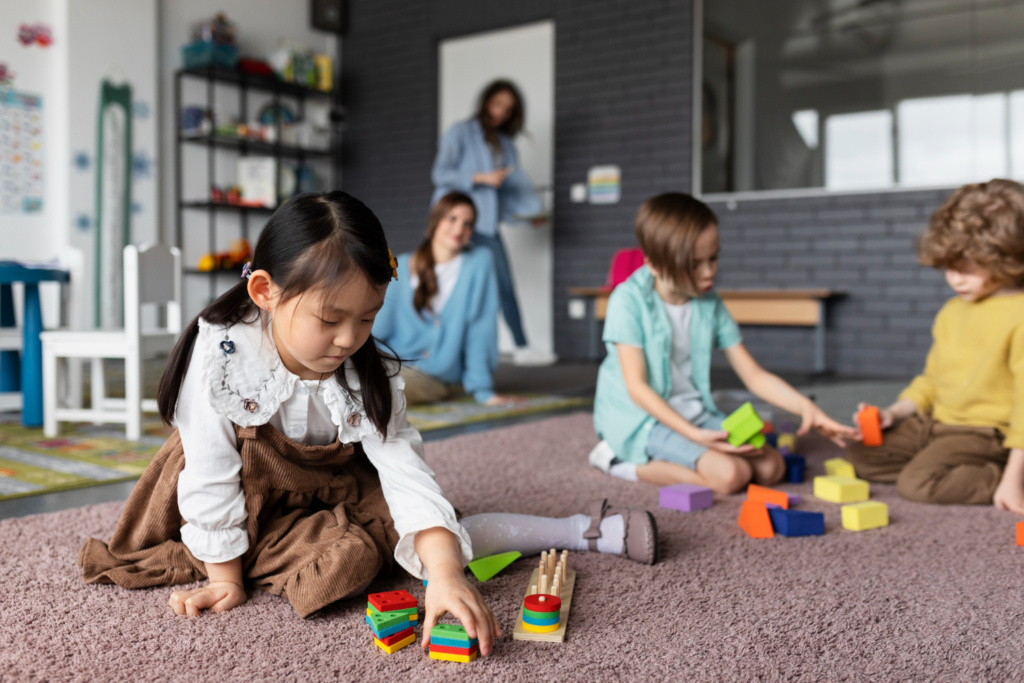
Creating a welcoming, child-friendly st kilda kindergarten environment is essential for helping young learners feel safe, comfortable, and excited about school. From the layout of the classroom to the choice of activities, every detail plays a role in making the kindergarten experience enjoyable and enriching for children. In this blog, you will explore seven top tips for making a kindergarten more child-friendly.
1. Focus on Safety First
Start by ensuring that all furniture is sturdy and has smooth edges to prevent accidents. Electrical outlets should be covered, and any sharp or heavy objects should be out of reach.
Place soft mats in play areas to reduce the risk of injury if a child falls. Make sure that doors and windows are secured, and create clear pathways so children can move around safely.
Emergency exits should be easy to access, and all teachers should know safety procedures. A safe environment gives children and parents peace of mind.
2. Incorporate Bright and Inviting Colors
Choose colors like yellow, blue, green, and red, which are known to create a happy and lively atmosphere. Add colorful wall art, posters, or educational decorations to make the room more interesting.
Colors help stimulate a child’s senses, encouraging them to explore and learn. Avoid overwhelming the space with too many bold patterns; simple, vibrant colors work best. The right colors make the room feel warm and inviting, helping children feel comfortable and engaged.
3. Use Age-Appropriate Furniture
Choose tables, chairs, and shelves that are low to the ground, making it simple for kids to move around independently. Soft seating options like cushions or bean bags add comfort and flexibility.
Avoid heavy or sharp furniture that could be dangerous. Age-appropriate furniture helps children feel more in control, boosting their confidence and independence. It also makes it easier for them to focus on activities and learning.
4. Organize Spaces for Play and Learning
Setting up separate areas for play and learning helps children understand different activities and routines. Create spaces for reading, arts and crafts, and play so children know where to go for each activity. Use rugs, low shelves, or dividers to mark these areas.
5. Incorporate Interactive and Sensory-Friendly Materials
Include items like building blocks, sand, water play areas, and textured materials. These materials help children explore through touch, sight, and sound, which is essential for their growth.
Interactive elements like whiteboards or simple puzzles can stimulate curiosity and keep them engaged. Sensory-friendly options, like soft fabrics and quiet corners, also help kids who may feel overwhelmed.
These materials give children a chance to learn through hands-on play, which is both fun and educational.
6. Ensure Cleanliness and Hygiene
Regularly clean surfaces, toys, and learning materials to prevent the spread of germs. Ensure that handwashing stations are easily accessible and encourage children to wash their hands often.
Provide tissues and trash bins at the child level so kids can use them independently. Set up a routine for cleaning at the end of each day and between activities.
A clean space not only keeps children healthy but also teaches them the importance of hygiene.
For example, health issues like molluscum contagiosum can be quickly transmitted through places like kindergartens. While a molluscum contagiosum treatment cream will clear it up, it’s important to notify parents of any issues like this, and ensure an even more thorough cleaning of the environment.
7. Encourage Social Interaction with Group Activities
Plan activities like group games, storytime, and art projects where children can interact and communicate. Arrange seating in a way that encourages teamwork and sharing.
Group activities help kids learn about cooperation, patience, and empathy, which are important life skills. Teachers can guide these interactions to help children understand boundaries and respect others.
Social interaction in a friendly environment builds confidence and creates a sense of community among young learners.
Adapt a Child-Friendly Kindergarten
Ensure your kindergarten is a nurturing, safe, and engaging place where children can thrive and enjoy their learning journey. By adopting a child-friendly environment, you’re creating a foundation for happy, curious, and confident learners. Start making these changes today to foster a positive experience for every child.