


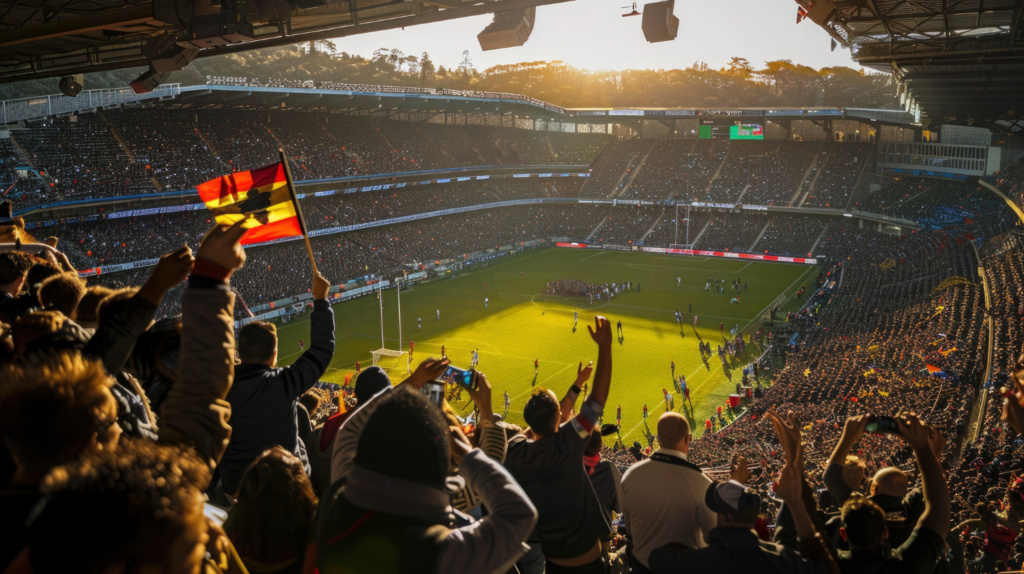
In today’s digital age, social media has become an integral part of how fans engage with their favorite sports. Football, being the world’s most popular sport, sees millions of fans actively seeking real-time updates,
match highlights, and in-depth analyses. Social media algorithms play a pivotal role in ensuring that fans receive timely and relevant information about matches.
This article explores how these algorithms work, their impact on fan engagement, and the future of social media in keeping fans updated on football matches.
Understanding Social Media Algorithms
Social media algorithms are complex sets of rules and calculations that determine which content appears in a user’s feed.
These algorithms analyze various factors such as user behavior, engagement history, and content relevance to curate personalized experiences.
In the context of football, algorithms prioritize content that is most likely to interest the user, ensuring that fans receive updates about matches, player performances, and breaking news efficiently.
By leveraging machine learning and artificial intelligence, these algorithms continuously evolve to better understand user preferences.
They analyze data points like the time spent on posts, likes, shares, and comments to refine their predictions.
This dynamic approach allows social media platforms to deliver highly targeted content, making the user experience more engaging and satisfying.
Real-Time Match Updates
One of the most significant ways social media algorithms keep fans updated on matches is through real-time updates.
Platforms like Twitter and Facebook use algorithms to push live scores, minute-by-minute updates, and instant highlights directly to fans’ feeds.
These updates are often accompanied by multimedia content such as photos, videos, and infographics, enhancing the overall experience.
For instance, during a live match, social media algorithms prioritize posts from official team accounts, sports journalists, and influential fans.
This ensures that the most accurate and timely information is presented at the top of the feed.
Additionally, push notifications can alert fans about crucial events like goals, red cards, or significant injuries, keeping them informed even if they are not actively browsing their feeds.
Personalization of Content
Personalization is a cornerstone of social media algorithms, allowing platforms to tailor content based on individual user preferences.
By analyzing a fan’s interaction history—such as the teams they follow, the type of posts they engage with, and the time they spend on specific content—algorithms curate a bespoke news feed that highlights relevant match updates.
For example, a fan of Manchester United will see more content related to the team, including match previews, player interviews, and tactical analyses.
Conversely, a fan of La Liga will receive updates tailored to Spanish football. This level of personalization ensures that fans are not overwhelmed with irrelevant information and can focus on the content that matters most to them.
Websites like https://www.thsport.live/sport-news/footballthai/ utilize advanced algorithms to deliver localized football news and updates, ensuring that fans receive content specific to their regional interests.
This targeted approach enhances user satisfaction and fosters a deeper connection between fans and their preferred teams.
Platform-Specific Features
Different social media platforms offer unique features that leverage algorithms to keep fans updated on matches. Twitter, for example, uses trending topics and hashtags to highlight significant events during a match. Fans can follow live-tweeting accounts that provide real-time commentary, creating a dynamic and interactive viewing experience.
Facebook employs its News Feed algorithm to showcase a mix of live updates, highlight reels, and user-generated content. The platform’s integration with video streaming services allows fans to watch live matches directly within the app, with algorithms ensuring that related content appears seamlessly alongside the stream.
Instagram, with its focus on visual content, uses algorithms to prioritize stories and posts that feature match highlights, behind-the-scenes footage, and player interactions. This visual-centric approach caters to fans who prefer a more immersive and visually appealing way to stay updated on football matches.
Benefits for Fans and Stakeholders
Social media algorithms offer numerous benefits for both fans and stakeholders within the football industry.
For fans, the primary advantage is the ability to receive timely and relevant updates without the need to manually search for information.
This convenience enhances the overall fan experience, making it easier to stay connected with the sport they love.
For football clubs and broadcasters, algorithms provide a powerful tool to engage with their audience effectively.
By understanding fan preferences and behavior, clubs can tailor their content strategies to maximize engagement and reach.
This targeted approach not only increases visibility but also fosters a loyal and active fan base.
Additionally, brands and sponsors can leverage social media algorithms to optimize their marketing campaigns.
By targeting specific segments of the fan base, sponsors can ensure that their advertisements reach the most receptive audience, enhancing the effectiveness of their promotional efforts.
Challenges and Considerations
While social media algorithms offer significant advantages, they also present certain challenges. One of the primary concerns is the potential for information overload.
With the vast amount of content generated during football matches, algorithms must strike a balance between providing timely updates and avoiding overwhelming fans with too much information.
Another challenge is ensuring the accuracy and reliability of the content. Social media platforms are susceptible to the spread of misinformation, which can lead to confusion and frustration among fans.
Ensuring that official sources and credible accounts are prioritized in algorithms is crucial to maintaining trust and reliability.
Privacy concerns also arise with the use of algorithms, as platforms collect and analyze vast amounts of user data to personalize content.
Ensuring that user data is handled responsibly and transparently is essential to maintaining user trust and compliance with data protection regulations.
Future Trends in Social Media Algorithms for Football
The future of social media algorithms in keeping fans updated on matches is poised for significant advancements.
As technology continues to evolve, we can expect more sophisticated algorithms that offer even greater personalization and interactivity.
Integration of Artificial Intelligence and Machine Learning
Artificial Intelligence (AI) and machine learning will play an increasingly prominent role in enhancing social media algorithms.
These technologies will enable more accurate predictions of fan preferences, allowing for even more tailored content delivery.
AI-driven analytics can provide deeper insights into user behavior, enabling platforms to refine their algorithms continuously and improve the overall user experience.
Enhanced Interactive Features
Future social media platforms may incorporate more interactive features that allow fans to engage with matches in real-time.
Features such as live polls, interactive dashboards, and augmented reality (AR) overlays can provide fans with a more immersive and participatory viewing experience.
These advancements will not only enhance fan engagement but also provide valuable data for refining algorithms.
Expansion of Localized Content
As global interest in football continues to grow, social media algorithms will place greater emphasis on delivering localized content.
Online websites like https://www.thsport.live/sport-news/football/ will play a crucial role in providing region-specific updates, ensuring that fans receive content that is relevant to their local leagues and teams. This localization will enhance the relevance and engagement of the content delivered to fans worldwide.
Conclusion
Social media algorithms have fundamentally transformed how fans stay updated on football matches.
By leveraging real-time updates, personalization, and platform-specific features, these algorithms ensure that fans receive timely and relevant information effortlessly.
The benefits extend beyond fans to football clubs, broadcasters, and sponsors, enabling more effective engagement and monetization strategies.
However, challenges such as information overload, content accuracy, and privacy concerns must be addressed to maintain the effectiveness and reliability of these algorithms.
Looking ahead, advancements in AI, enhanced interactive features, and the expansion of localized content will further refine the role of social media algorithms in the football ecosystem.
As social media continues to evolve, its integration with football will deepen, driving innovation and fostering a more connected and engaged global fan base.
Embracing these technological advancements is essential for all stakeholders in the football industry to stay competitive and meet the ever-growing demands of passionate fans worldwide.