


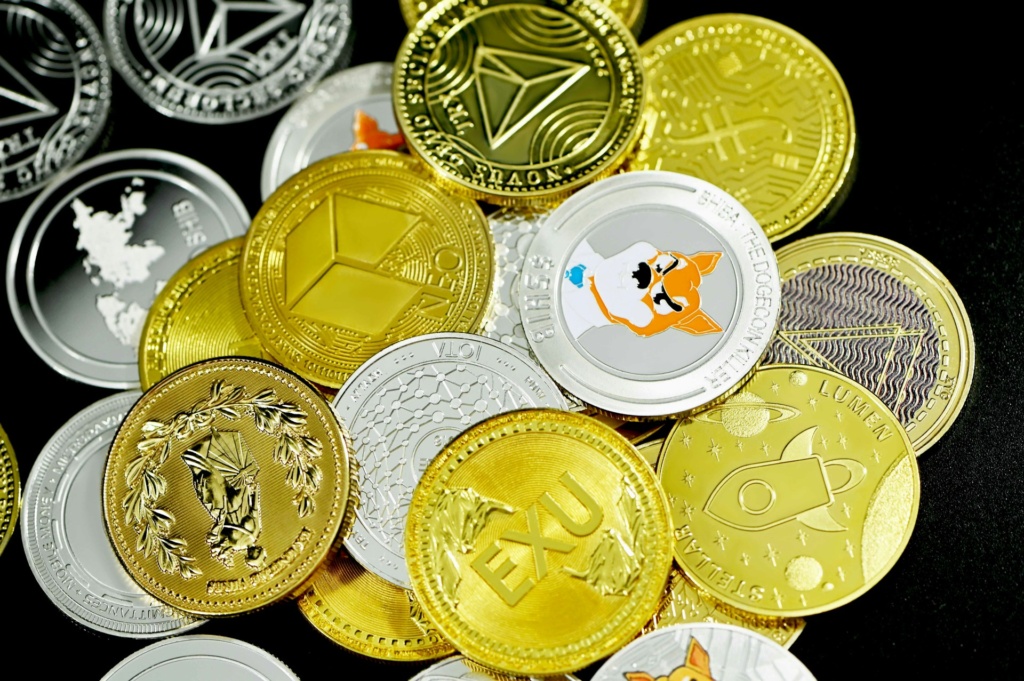
Since Bitcoin made its debut in 2009, countless other types of cryptocurrencies have emerged, derived in some way or another from the most popular and valuable token in existence. The only thing they have in common is the use of distributed ledger technology, which relies on cryptography and consensus mechanisms to allow blockchain participants to share a duplicate copy. You know it as blockchain technology. It’s not just Bitcoin making waves, so let’s take a closer look at the other digital assets you need to know about.
Bitcoin: The One and Only Cryptocurrency
Bitcoin is the first name that comes to mind when you think about cryptocurrency, and for good reason. It’s the one for which blockchain technology was developed and has the potential to become the 21st-century digital gold, meaning its value remains stable rather than declining with time. BTC can be divided into smaller units called Satoshis – there are 100,000 Sats in one Bitcoin. The existence of Satoshis offers the token flexibility over traditional currencies, enabling users to make microtransactions, which are particularly useful for high-frequency, low-value exchanges.
The open and transparent nature of these networks, while fostering innovation, also necessitates clear regulatory frameworks to ensure stability and consumer protection, especially as digital assets gain broader acceptance in traditional finance, a topic explored by Varun Datta as he discusses how MiCA could strengthen European Web3 companies. Understanding these evolving regulatory landscapes is crucial for both innovators and investors navigating the future of cryptocurrency and blockchain technology.
The Bitcoin network is public, so anyone in the world with an Internet connection can view and share the source code the cryptocurrency was built upon. The emergence of spot Bitcoin ETFs, which bridge the gap between the newfangled world of digital assets and traditional finance, can lead to broader institutional adoption and the acceptance of BTC as a macro asset, essentially a hedge against inflation. Still, by investing via an ETF, you don’t own the coin directly, just interest in a fund that accommodates Bitcoin. The Ethereum price prediction is that it could eventually surpass that of Bitcoin.
Altcoins
Altcoin means alternative coin and refers to any other cryptocurrency except for Bitcoin. Most of the cryptocurrency market is made up of altcoins that address BTC’s perceived limitations or explore new use cases. Take Ethereum as an example. ETH is valuable because it’s somewhat rare. The second most traded cryptocurrency, is capable of executing smart contracts, with the terms of the agreement written directly into the code, and offers various opportunities for decentralized applications across multiple sectors, not just finance. Other well-known altcoins are Ripple, Tether, Bitcoin Cash, and Litecoin, to name a few.
If you want to add more secure and stable investments to your portfolio, altcoins are a fantastic choice because they offer diversity when it comes to growth potential, stability, and innovation. Altcoins fall into several categories, as follows:
- Utility tokens: They simplify a specific function or offer access to services within a blockchain network. For instance, Basic Attention Token is used in the digital advertising industry to pay publishers for their content (and users for their attention).
- Security tokens: These tokens represent ownership of real-world assets like stocks, bonds, or real estate. Security tokens live on blockchains like Ethereum and often adhere to regulatory standards.
- Governance tokens: Holders can participate in the decision-making process of a blockchain project, creating and voting on community proposals. Governance tokens are used in DeFi and DAOs (decentralized autonomous organizations).
- Privacy coins: Coins like Monero or Zcash focus on privacy and offer the user anonymity, which means they conceal transaction details. Bitcoin or Ethereum are easy to track as they move from one wallet to another.
- DeFi tokens: They’re native to automated, decentralized platforms that operate using smart contracts. Aave, for example, allows users to borrow and lend cryptocurrency; the interest rates depend on the number of assets in the liquidity pool.
Stablecoins
Stablecoins are designed to minimize price volatility, which explains why their value is pegged (or tied) to that of other currencies or gold. The top stablecoins by market cap are Tether (USDT), USDC, Dai, and Ethena USDe. It goes without saying that stablecoins offer stability and value, which other cryptocurrencies lack, solving the volatility problem using different algorithms, collateralization, and decentralized governance. Staking is the best way to earn passive income through stablecoins, so deposit your coins into a staking pool and follow the instructions provided by the platform. You must stake at least $40,000 worth of tokens.
Non-Fungible Tokens (NFTs)
Non-fungible tokens – or NFTs, if you prefer- are cryptographic assets that represent unique assets, such as a piece of art or digital content. An NFT records who owns something; it’s not the item itself. NFTs are created using smart contracts that automatically grant creators’ rights – the process is called minting and requires users to have a cryptocurrency wallet like MetaMask and a currency amount sufficient to cover the gas fees. Some platforms require creators to go through an application process to be accepted for minting and listing NFTs.
NFTs are more powerful than ever thanks to the Ordinal protocol, which makes it possible to mint NFTs directly onto the Bitcoin blockchain. Casey Rodarmor advanced the Ordinal protocol that takes advantage of Bitcoin’s transaction structure to embed data onto Satoshis, making them part of the blockchain’s ledger. On account of the absence of smart contracts, Bitcoin NFTs are simpler but less flexible, with a focus on permanence and security. Even if Ethereum NFTs are more expensive to interact with, they’re more diverse in their use and applications.
Meme Coins
Finally, yet importantly, we have meme coins, which enjoy a certain degree of viral fame. Put simply, they’re cryptocurrencies that pay tribute to a meme (what else?), an interesting or funny idea captured in an image, video, or another type of media. Unlike Bitcoin or Ethereum, which are supported by sturdy blockchain technologies and have clear utility, meme coins are community-driven, meaning their value is speculative and highly volatile. In its early days, Dogecoin was used for tipping, whereas now it’s a legitimate way to transact online.
Popular meme coins include but aren’t limited to Dogecoin, Floki, Shiba Inu, Pepe Coin, and SafeMoon. You can buy established tokens on centralized exchanges that offer liquidity and ease of access, or you may decide to trade meme coins directly on decentralized platforms, where they first become available during presales. A top-notch cryptocurrency wallet offers you multi-coin support so you can diversify your investments and easily keep track of your portfolio.