


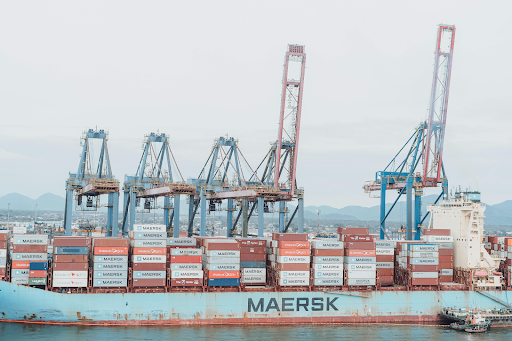
Freight brokerage is one of the key elements in the pillars of today’s logistics that enable the transport of products throughout the country. Hence, freight brokering provides an important link between shippers and carriers, sufficiently improving their efficiency in the supply chain. It takes more than motivation to compete for an opening in such a field; one is expected to know concerns of regulation, matters of industry, and business principles. Below is a step-by-step guide to freight broker requirements, from the different qualifications and licenses required for this career to various ways one can ensure success. With careful preparation and the right toolset, aspiring freight brokers can position themselves for success long into their careers.
Why Pursue a Career in Freight Brokerage?
First, it is necessary to explain why freight brokerage can be so desirable. Generally speaking, the freight brokerage industry offers benefits such as flexibility, financial gains, and a highly dynamic work atmosphere.
Most freight brokers are flexible and enjoy running their businesses remotely, sometimes even building their brokerage firm. It’s a perfect career path because it takes talking with lots of people, and those adept at negotiating and talking with people fit in perfectly in this field. Besides, the demand for freight transportation grows day in and day out, guaranteeing continued opportunities for professional growth.
While no degree will be required to become a freight broker, a good education can serve as an additional advantage.
The Role of Education in Freight Brokerage
Logistics, financial negotiations, and regulatory compliance are some of the fine points a broker must master. Such a foundation in business, logistics, or supply chain management will prepare an individual with the requisite analytical and managerial skills for success. Coursework in marketing, finance, and communication is equally valuable for developing the requisite skills needed to attain and expand a customer base.
Specialized Training Programs
To bridge the gap between theoretical knowledge and practical implementation, most freight brokers enroll in some sort of training program that is on the market. The training may cover vital topics such as industry regulations, freight software, and customer relationship management.
Licensing Requirements for Freight Brokers
Licensure and certification are obtained from the basic foundation of any freight broker’s career, mostly from AAA. Going by the freight brokerage industry, one has to ensure that they have the right license.
Federal Motor Carrier Safety Administration – Registration
Freight brokers are required to register with the FMCSA, which is a body responsible for the issuance of licenses to regulate transportation professionals. This includes:
- Acquiring a USDOT Number: It is a unique identifier for tracking compliance and safety standards.
- Application for Broker Authority: An OP-1 form should be filled out for broker authority, as well as a license to legally operate between shippers and carriers. Surety Bond Requirement
Surety Bond or Trust Fund Agreement
All freight brokers shall procure either a surety bond or a trust fund agreement in the minimum amount of $75,000. The essence of such a surety bond or trust fund agreement is to guarantee the interest of the clients in cases where there is proven negligence or fraud by the broker.
Process Agent Designation
Brokers are also required to file a BOC-3 form, naming a process agent in each state they operate within. This agent will receive legal documents on behalf of the broker.
Professional Training
Professional training for a freight broker license in California is an important step toward earning a living as a successful freight broker. In fact, though licensing is primarily a legal requirement, these training programs are instrumental in providing the practical knowledge one needs to thrive in an increasingly competitive market.
Key Components of Freight Broker Training
Training programs may thus offer a number of crucial and critical areas of knowledge; these include:
- Industry Regulations: Knowledge of all important FMCSA rules, along with transportation laws.
- Negotiation Skills: Negotiating the best rates and continuing long-term relationships with both carriers and shippers.
- Freight Technology: How to take full advantage of a transportation management system and load boards.
Some states like California, look to state-specific resources about how to get a freight broker license in California for guidance in their specific needs and nuances of local regulations.
Building a Freight Brokerage
Once the foundational requirements have been satisfied, the real work begins in building an official and competent freight brokerage operation. There are several prime ways to consider.
Selection of Business Structure
This involves defining which one of the business types – either a sole trader or partnership, LLC or corporation- is the right one. In turn, the legal framework also defines what kind of taxes and liability exist. As a general rule, too many freight brokers open LLCs or Corp to reduce the chances of attaching personal assets to the business.
Building Professional Brand
Good brand identity will enable the broker to attract and retain clients by professionally creating a website, a memorable logo, and a compelling value proposition.
Invest in Technology
Technology is one of the driving forces in the freight industry. A freight broker should invest in software solutions, including:
- Transportation Management Systems (TMS): To schedule and track effectively.
- Accounting Software: This is used to record invoices, payments, and other financial reports.
- Customer Relationship Management (CRM) Tools: A strong line of communication can be established, and clients can be dealt with professionally.
Freight Brokerage Issues and How They Can Be Addressed
Thus, the freight brokerage industry, although quite profitable, presents quite a few obstacles. Negotiating through all these challenges cannot be easily done without some form of forecasting and flexibility.
Navigating Complex Regulations
Freight brokers need to be aware of changing laws and regulations. Becoming part of associations, attending seminars, and reading trade publications will help the broker operate within the law.
Dealing with Competition
The freight brokerage business is a competitive one, with many players vying for the same customers. Broker differentiators can offer excellent customer service, specialize in niche markets, or leverage advanced technology.
Maintaining Financial Stability
Cash flow is the lifeblood of any brokerage firm. Delays in payments by shippers stretch resources. For this reason, many brokers seek freight factoring services as a way to ensure that they have access to money in a timely manner.
Specialized Niches for Freight Brokers
One evident distinguishing characteristic in freight brokerage pertains to specialization into a niche. By specializing in the type of freight, brokers are able to build their brand through perceived mastery of their trade. Samples of freight brokerage niches are:
- Perishable Goods: Specialized brokerage house managing temperature-sensitive shipment
- Heavy Equipment: Large transportation management of oversized machinery
- E-commerce: Last-mile delivery service to online retailers.
Specialization in a niche area helps brokers develop a regular clientele and thus charge better commissions.
Wrapping Up
A freight broker career is rewarding but requires time, knowledge, and adherence to regulations. From licensure to professional training, each step builds on the prior one, forming an integral part in the process that shapes their brokerage business to become truly successful. Freight brokers will, therefore, always be in a position to face those challenges in industry focus with innovation in an ever-changing market.
License training and other such career resources, if you would like to get a freight broker license in California, may be related to how individual state requirements are met in order to get your career off on a running start. Long-term success in this dynamic field can be ensured by the right kind of training and dedication toward excellence.