


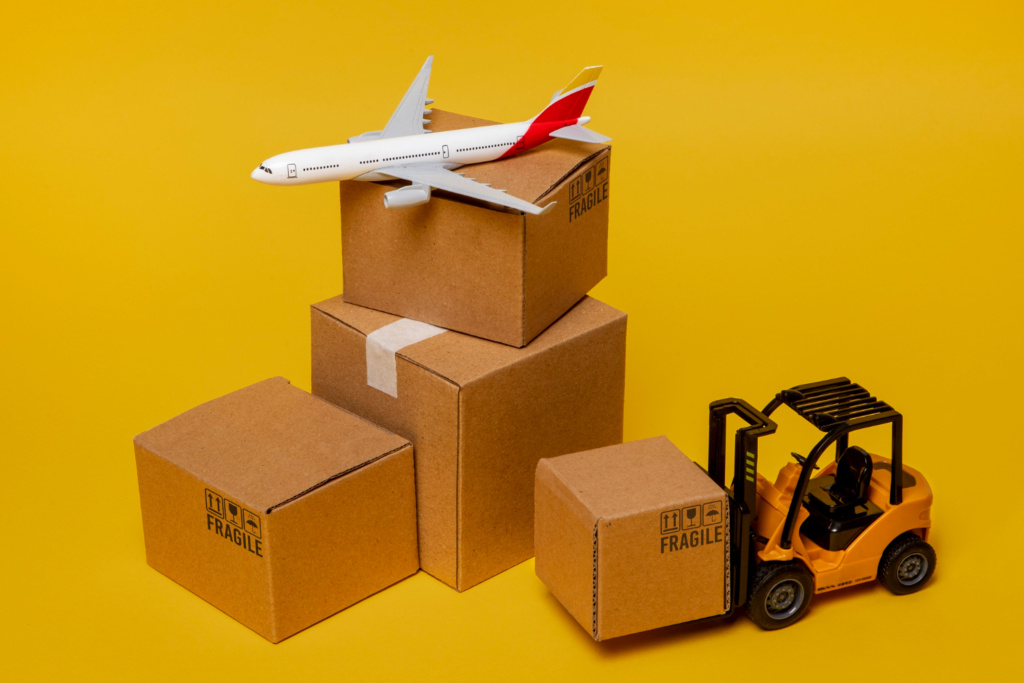
Shipping packages might seem straightforward, but for businesses, it’s a complex dance of logistics, costs, and customer expectations. With the rise of e-commerce sites and shifting consumer demands, companies must think beyond simply getting products from point A to point B. Shipping is no longer just a back-end process—it’s a crucial touchpoint that affects your brand, budget, and environmental impact. If you’re not giving your shipping strategy the attention it deserves, you could be leaving money—and customer loyalty—on the table. Here are six important aspects of shipping packages that more companies need to consider.
When to Invest in Sustainable Packaging
The days of excessive cardboard and bubble wrap are numbered. Consumers are increasingly demanding eco-friendly solutions, and businesses that don’t keep up risk falling behind. Investing in sustainable packaging isn’t just good for the planet—it’s good for your brand’s image and bottom line. According to experts, switching to sustainable materials can reduce waste, lower shipping costs, and attract environmentally conscious customers.
The key is knowing when and how to make the switch. Start by analyzing your current packaging: Are you using more material than necessary? Can you replace non-recyclable elements with compostable or biodegradable alternatives? Sustainable packaging doesn’t have to be a costly overhaul; small changes, like using recycled paper or optimizing box sizes, can make a big difference. Customers notice—and appreciate—businesses that align with their values, so going green can set you apart in a competitive market.
Exploring Modal Shipping Pricing for Small-Volume Shippers
Not every business is shipping thousands of packages a day, and for small-volume shippers, navigating shipping costs can feel like trying to crack a secret code. That’s where modal shipping pricing comes in. This pricing strategy allows businesses to optimize costs based on the specific modes of transportation they use, whether that’s air, ground, or a combination of both.
For businesses handling smaller shipments, modal pricing can transform everything. It offers flexibility and cost efficiency by tailoring rates to your shipping needs. Instead of overpaying for a one-size-fits-all solution, you can find options that align with your volume and delivery timelines. The beauty of modal optimization is that it’s not about cutting corners—it’s about using resources more effectively. Small businesses stand to benefit from exploring these pricing strategies the most, as they can free up funds to invest in growth and customer experience.
The Importance of Tracking and Transparency
Tracking isn’t just a courtesy—it’s a necessity. Providing clear, accurate tracking information builds trust and reduces the number of “Where’s my order?” inquiries that can overwhelm customer service teams.
But tracking isn’t just about keeping customers informed. For businesses, it’s a tool for accountability and efficiency. Real-time data can help you identify delays, optimize routes, and ensure that shipments are handled with care. Whether you’re shipping across town or across the globe, transparency throughout the delivery process creates a better experience for everyone involved. And let’s face it: a smooth delivery process is the kind of thing customers remember—and come back for.
Packaging to Prevent Damage (and Returns)
Shipping isn’t a gentle process. Packages get tossed, dropped, and jostled during transit, and if your packaging isn’t up to the task, you’re looking at a spike in returns and customer dissatisfaction. Investing in high-quality packaging that protects your products is essential for reducing damage and maintaining your reputation.
Fragile items may require foam inserts or air cushions, while sturdy goods might only need minimal padding. Avoid overpacking, as it adds unnecessary weight and waste. The goal is to strike a balance: enough protection to ensure your product arrives intact but not so much that it feels wasteful or bulky. Customers appreciate businesses that take care to deliver their orders in perfect condition—and they’ll remember it when it’s time to reorder.
Reducing Delivery Times Without Breaking the Bank
Fast shipping is no longer a luxury—it’s the expectation. But meeting those expectations without skyrocketing costs requires careful planning and strategy. One option is to use regional fulfillment centers, which allow you to ship from locations closer to your customers. This not only speeds up delivery but also reduces transportation costs.
Another strategy is to analyze your shipping zones and optimize routes. Grouping packages by region and using data to predict shipping patterns can help you streamline operations and cut down on delays. Offering expedited shipping as an option, rather than a standard, can also help manage costs while still giving customers flexibility. Speed is important, but it doesn’t have to come at the expense of your budget. Smart planning can deliver fast results without the sticker shock.
Planning for Seasonal Spikes and Unexpected Surges
Seasonal demand can throw even the most well-oiled shipping operation into chaos if you’re not prepared. The key to managing spikes is to plan ahead and build flexibility into your logistics. Start by analyzing past data to predict when and where spikes are likely to occur, whether it’s during the holiday season or after a big promotion. Work with your shipping partners to ensure they can handle increased volume, and consider temporarily expanding your workforce or warehouse space if needed.