


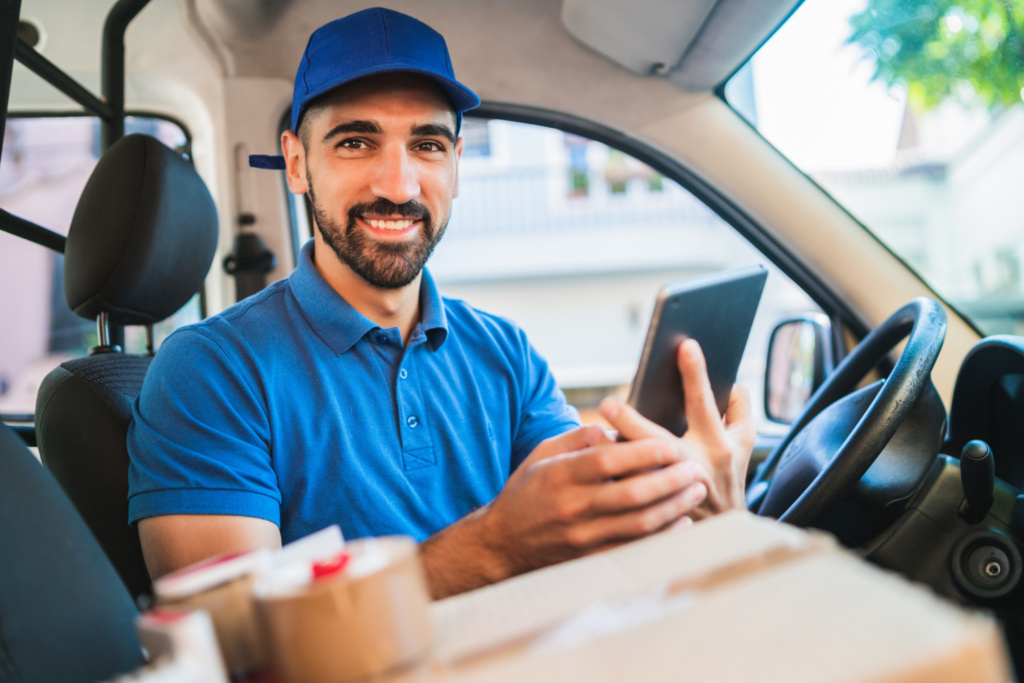
In our world where things move quickly the delivery of goods to your doorstep is really important. This part of the delivery process comes with its set of problems that can affect how happy customers are. Recognizing these challenges and coming up with ways to solve them can make delivering packages efficient and better for everyone involved.
Engaging City Scenes
Moving around city centers can be quite tough for last mile delivery workers. They face traffic jams in streets with limited parking spaces, causing delays that throw off their schedules and raise company expenses. To tackle these challenges effectively and reduce costs, it’s beneficial to use logistics technology that can optimize routes in real-time, considering traffic conditions and offering alternative paths for more reliable delivery times.
A Variety of Customer Demands
The need for more tailored delivery services is on the rise as customers seek flexibility in when and where they receive their packages, even opting for day or specific time slot deliveries at times. Navigating these expectations while keeping costs reasonable poses a hurdle for businesses. One solution is to use technology to empower customers with control over their delivery preferences. Moreover, offering alternatives, like parcel lockers or designated pick-up locations, can effectively cater to a variety of needs.
Dealing with Deliveries
Deliveries not reaching their destination is still a problem in the leg of logistics journeys due to things like wrong addresses or recipients not being available or facing access restrictions, causing this headache for companies and customers alike and resulting in higher expenses and unhappy clients. However, having reliable communication channels can help a lot in fixing these hiccups, as well as sending automated alerts and accurate delivery status updates to keep customers in the loop and lessen the chances of unsuccessful delivery attempts.
Environmental Issues
Many consumers are now placing a value on sustainability as a key concern when making choices about products and services they use or support. A major challenge that businesses face is the carbon footprint that comes with using delivery vehicles to transport goods from one place to another. One effective way to address this issue is for companies to consider investing in modes of transportation such as electric vehicles and bicycles specifically designed for shorter-distance deliveries.
Dealing with Returns in a Timely Manner
Returns remain a factor in delivery stages as they can significantly impact costs and customer satisfaction if handled ineffectively. Simplifying the return process is important for both customers and logistics teams by implementing policies, user return labels, and efficient reverse logistics systems to improve the customer journey and reduce operational challenges.
Safeguarding the Security of Packages
The ongoing issues of package theft and damage during delivery stages continue to be a cause for worry among both customers and businesses, as it significantly impacts their trust levels. To address this concern effectively and bolster customer confidence in the delivery process, various strategies, like using packaging materials, employing tamper seals, and incorporating surveillance systems, have proven to be effective in reducing these risks.
Personnel Organization
Efficient last-mile delivery depends on having a maintained team of workers in place to handle challenges, like frequent turnover among employees and shortages of drivers, while balancing workloads effectively. To combat these issues successfully, it is crucial to invest in employee training programs and embrace scheduling to retain talented staff. Additionally, making use of software to manage the workforce can optimize how resources are allocated and ensure that operations run smoothly.
Embracing the Progress of Technology
Keeping up with the evolving technology landscape in logistics poses challenges for businesses aiming to stay ahead of the curve. It’s crucial for companies to stay updated on trends and advancements to remain competitive. Regular training programs and promoting a culture of learning help teams quickly adjust to technologies. Adopting transformation efforts boosts efficiency and enhances customer satisfaction across the board.
In Summary
Due to its challenges, final-mile delivery continues to be an aspect of the transportation process. By recognizing and addressing these hurdles and implementing solutions, companies can boost their delivery processes’ efficiency, cut down on expenses, and elevate customer happiness levels. Welcoming technologies, committing to practices, and fine-tuning staff management are key steps toward creating effective final-mile delivery plans. Through these methods, businesses can provide service that aligns with customers’ changing expectations.