


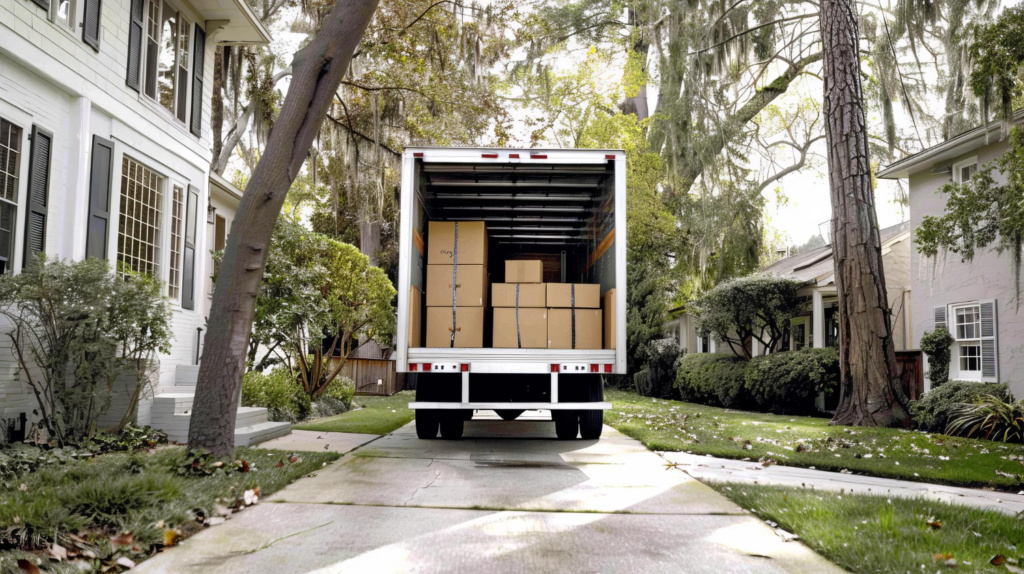
A cross-country move is a major life change that requires careful planning and organization. The process can take several weeks or even months, depending on your specific circumstances and the distance involved. Understanding the typical timeline for a cross-country move can help you stay organized, reduce stress, and ensure that everything goes smoothly. Here’s a breakdown of the typical timeline, from the early planning stages to settling into your new home.
8–10 Weeks Before Your Move: Start Planning and Researching
At least two months before your planned moving date, start the preparation process. This is when you should begin researching trusted cross country movers or deciding if you want to handle the move yourself. For long-distance moves, it’s important to hire a professional moving company that specializes in cross-country relocations. Get at least three quotes from different movers and assess their reputations, services, and insurance policies.
During this time, also begin thinking about your budget for the move. Consider the costs of hiring movers, renting a moving truck, packing materials, fuel, lodging, and any other expenses you may incur. Create a detailed moving checklist, noting key tasks such as notifying your current utility companies, transferring medical records, and organizing your personal belongings.
6–8 Weeks Before Your Move: Start Decluttering and Packing
By this point, you should be actively decluttering your home to reduce the amount of stuff you’ll need to move. This is the perfect time to go through each room, decide what to keep, and get rid of anything unnecessary. Organize items into categories to sell, donate, or throw away.
Once you’ve streamlined your possessions, begin packing the non-essential items that you won’t need until after the move, such as seasonal clothing, books, and decorations. Be sure to use high-quality packing materials to protect fragile items. Label boxes clearly with both the contents and the room they belong to in your new home. This will make unpacking easier when you arrive.
4–6 Weeks Before Your Move: Finalize Logistics and Confirm Details
Around a month before your move, finalize your plans with your moving company. Confirm the moving date and details with the company, ensuring they understand your needs (for example, if you require packing, storage, or specialized services). Double-check the timeline for delivery and clarify any concerns about insurance coverage for your belongings.
If you’re renting a moving truck or handling the move yourself, now is the time to finalize the rental agreement and secure any additional equipment, such as dollies or moving blankets. Make sure to plan your travel route, particularly if you’re driving cross-country. Consider factors like rest stops, hotels, and pet-friendly locations along the way.
This is also the time to start notifying people and organizations about your change of address. This includes your bank, credit card companies, and subscription services. You should also notify your doctor, dentist, and other healthcare providers to transfer medical records. Don’t forget to submit a change of address form to the USPS to ensure that your mail is forwarded to your new home.
2–4 Weeks Before Your Move: Pack and Prepare for the Big Day
At this point, the bulk of your packing should be completed. Begin packing the items you use regularly, such as clothing, kitchenware, and toiletries. Be sure to pack an “essentials box” with the items you’ll need immediately after arriving at your new home, such as cleaning supplies, bedding, and basic tools.
If you have pets, now is the time to make arrangements for their travel, whether that means booking a pet transport service or preparing them for a long car ride. If you have children, involve them in the process by letting them pack their own things and helping them say goodbye to their friends.
Additionally, confirm travel arrangements if you’re flying or driving to your new location. If you’re driving, finalize your route and book hotel accommodations along the way. If you’re flying, confirm your flight details and make any necessary transportation arrangements for when you arrive at your new home.
1 Week Before Your Move: Final Preparations
In the final week before your move, focus on tying up loose ends. Finish any last-minute packing and ensure that everything is securely packed and labeled. If you’re using a moving company, double-check the moving date and any remaining details, such as special instructions for handling fragile or valuable items.
Be sure to clean your current home and remove any personal items. Arrange for someone to perform a final walk-through to ensure that nothing is left behind. If you’re renting, confirm your lease end date and make arrangements to return keys to your landlord.
For those driving, gather everything you need for the road trip, including snacks, drinks, and entertainment for long hours on the road. Make sure your vehicle is in good condition and ready for the journey ahead.
Moving Day: The Big Day Has Arrived
On moving day, you should be ready to go. If you’re using professional movers, they’ll typically arrive early in the morning to begin packing up your belongings. Ensure that the movers have clear instructions and are familiar with any special items that need extra care.
If you’re handling the move yourself, make sure you have everything ready to load into the truck. Allow plenty of time for loading and double-check that nothing is left behind.
After your belongings are loaded, do a final sweep of the home to ensure nothing is missed. If you’re driving, begin your cross-country journey, taking regular breaks to stay refreshed. If you’re flying, head to the airport with enough time for check-in and security.
Arrival and Settling In
Once you arrive at your new home, you’ll need to unpack and settle in. Start by unpacking the essentials and setting up your living areas. As you begin to settle, make your new home feel more comfortable by setting up your kitchen, bedroom, and bathroom first.
Take time to explore the area around your new home, including finding grocery stores, medical facilities, and local services. If you have children, help them adjust to their new environment by finding schools and activities. If you have pets, give them time to acclimate to their new surroundings.
Final Thoughts
A cross-country move can be a complex and time-consuming process, but understanding the typical timeline can help make the transition smoother. By starting your preparations early, staying organized, and managing your tasks week by week, you can reduce the stress and make the experience more enjoyable. Whether you’re handling the move yourself or working with a professional company, taking the time to plan ahead will ensure that your cross-country move goes as smoothly as possible.