


You might have heard the term “medical waste” before. Maybe you have an idea of what it means. However, if you work in the medical field, you must not only know its working definition. You must also know what to do if your company creates it.
Identifying and disposing of medical waste must occur at all facilities that deal with it as a byproduct of their work. That’s because, if unsuspecting individuals come in contact with it, it can injure them or make them sick.
In this article, we’ll break down the term “medical waste.” We’ll talk about what constitutes medical waste, what you must do with it, and what might happen if you don’t.
What Does Medical Waste Mean?
The term “medical waste” comes up a lot in the healthcare industry, and also certain others adjacent to it. In the most general sense, it means materials that healthcare facilities generate. If anything falls into this category, then it usually poses a threat to the environment or human health.
You might also hear some facilities call medical waste “biomedical waste.” It means approximately the same thing.
Examples of Medical or Biomedical Waste
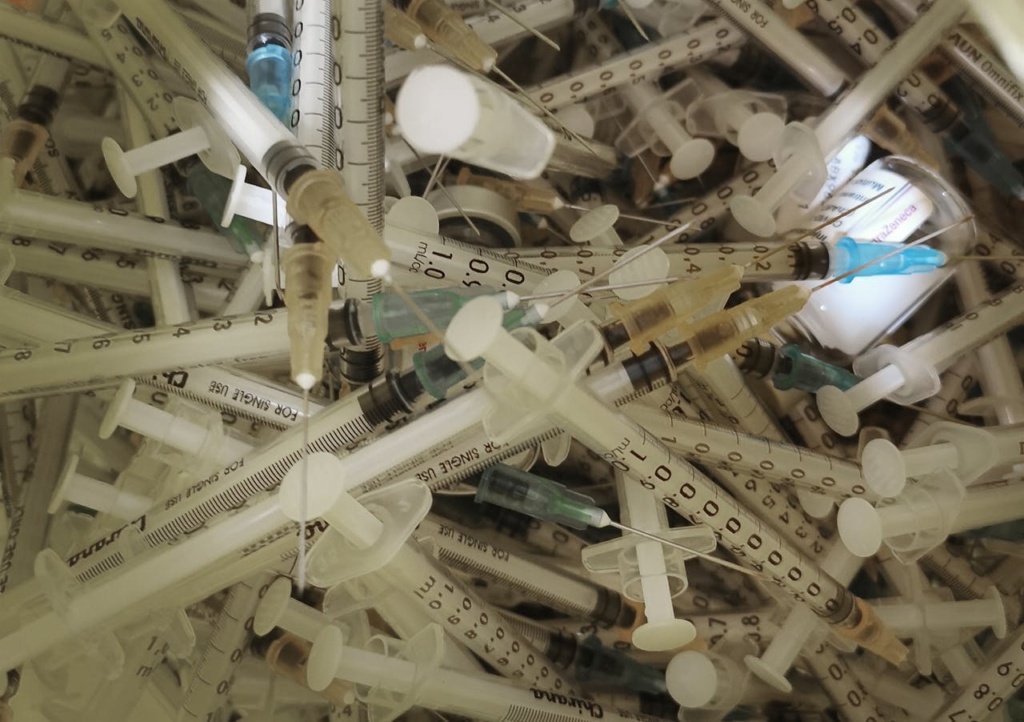
Any kind of infectious waste falls into this category. That includes items that contacted blood or bodily fluids. Surgical dressings would fall into this category, as would syringes and needles.
You might hear the term “sharps” when you overhear someone talking about medical waste. Sharps include any needles or other items with sharp edges that individuals use in the medical field. A scalpel gets the designation of “sharp.”
You would call any kind of chemotherapy waste medical waste. That includes materials or drugs used when treating cancer patients.
Pathological waste gets this same designation. Those include body parts that someone removes during surgery or autopsy. Organs and human tissues apply as well.
Biomedical research waste goes into this category. That includes any kind of waste generated during research of biological agents.
You would call pharmaceutical waste medical waste. That includes unused or expired medications.
Private Homes Produce Medical Waste as Well
There’s something you might notice about the items on this list. While a doctor’s office, hospital, or clinic might easily produce some of them, so might a private household.
While it’s not likely you’ll see any body parts going out with the trash from a private home, you could easily have expired medication or sharps, especially if you have someone in the home with diabetes or something similar.
Usually, private residences don’t have to follow the same strict regulations for medical waste disposal that you would see with a clinic, hospital, or doctor’s office. Often, you can tie up prescription meds or similar waste in a bag or double-bag it and put it in the trash, and that’s sufficient.
How Must Medical Facilities Dispose of Medical Waste?
If you work in a medical facility like one of the ones we’ve mentioned, though, you must normally follow procedures that governing bodies put in place for medical waste disposal. You can find both local and national entities that watch out for private citizens to make sure that they don’t accidentally come into contact with the medical waste that hospitals, clinics, or research labs produce.
Usually, when you do the onboarding process for a doctor’s office, medical laboratory, or anything similar, you will learn what to do with medical waste that the job produces. Often, you will have containers located in most rooms where you will place this type of waste.
They might resemble oversized lunchboxes. They will usually have clear markings on them indicating their purpose.
Once per day, in most cases, a company will come to switch out those containers. Such companies have licenses that enable them to collect and dispose of the materials that medical facilities produce.
What Happens if You Don’t Dispose of Medical Waste Properly?
If you don’t dispose of medical waste properly, you might seriously injure someone. Imagine what might happen if you are careless with your medical waste. Someone might cut themselves with a scalpel or stick themselves with a used syringe.
In that instance, they might contract an infectious disease. If that happens, and the investigation reveals that you didn’t dispose of the medical waste your facility produced properly, you’re probably looking at a lawsuit. You might also incur some hefty fines.
That’s why, if you work in a medical facility, you must follow the rules regarding medical waste disposal.