


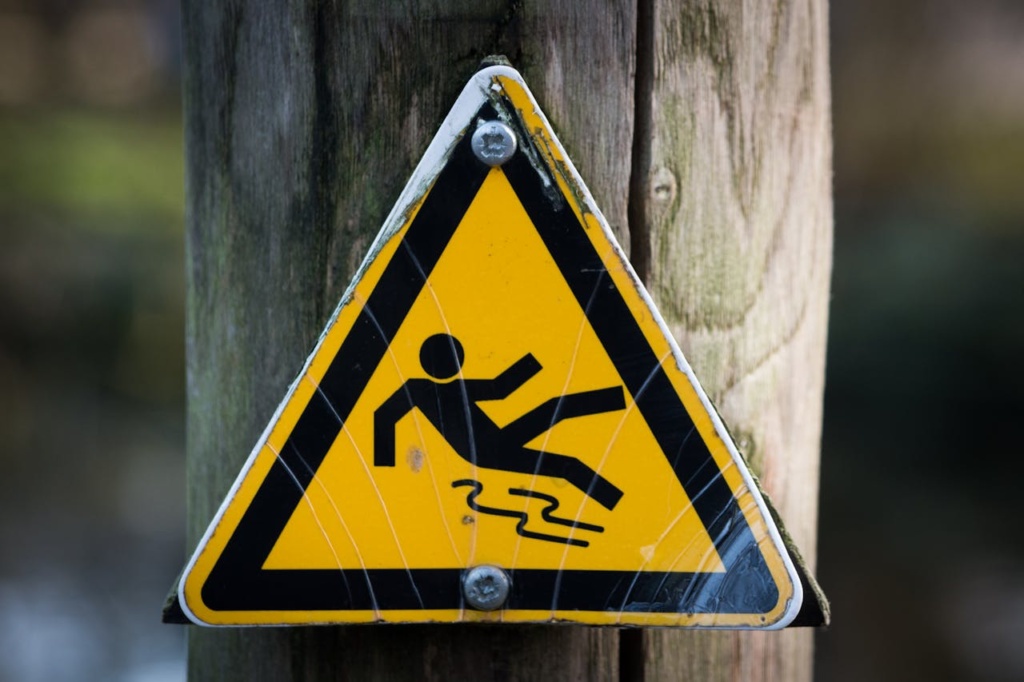
Research shows that slip and fall incidents rank as some of the most prevalent types of workplace injuries.
It’s true. These incidents occur daily and result in serious injuries along with work time loss and complex legal problems. Determining liability in workplace accidents becomes complicated.
My article will provide a complete breakdown of what you need to understand about liability in workplace slip and fall cases. This guide will help you understand workplace slip and fall liability whether you are an injured employee or an employer responsible for safety.
What You’ll Find Inside
- Typical causes that lead to workplace slip and fall accidents include various hazards and unsafe conditions.
- Understanding Workplace Liability Basics
- Who’s Responsible: Employer Liability vs. Third-Party Liability
- Workers’ Compensation and Slip and Fall Accidents
- These instructions will guide you through the necessary actions following a workplace slip and fall incident.
- How to Prove Liability in Your Case
- Preventing Workplace Slip and Falls
Common Causes of Workplace Slip and Fall Accidents
Workplace slip and fall incidents result from identifiable hazardous conditions. These dangerous situations emerge from specific conditions that exist in the workplace.
I often encounter several common causes for incidents.
- Floors become dangerous when they get wet or slippery from spills during cleaning and from weather-related conditions.
- Inadequate lighting conditions prevent workers from spotting potential hazards effectively.
- Cluttered walkways with boxes, equipment, or supplies
- Walking surfaces that become dangerous due to damaged floors and unexpected steps create uneven ground.
- Loose cables or wires creating tripping hazards
- Missing or damaged handrails on stairs
The primary cause of frustration about these accidents is that correct safety protocols could prevent most of them. Workers suffer consequences when employers neglect necessary safety precautions.
Understanding Workplace Liability Basics
Determining liability for slip and fall accidents in the workplace can be complicated because responsibility isn’t always clear-cut. Liability is the legal obligation that falls upon individuals or organizations when they are responsible for damages or injuries. Determining liability after workplace accidents generally involves identifying who neglected their duties or failed to maintain safe work conditions.
Workplace slip and fall negligence cases generally include failures like not warning workers about hazards and inadequate maintenance on walkways and stairs.
- Failure to warn about known hazards
- Inadequate maintenance of walkways and stairs
- Ignoring safety regulations required by law
- Lack of proper training for employees
Why does this matter? The party who bears liability must cover costs for your medical expenses and lost income along with other damages from the accident.
Who’s Responsible: Employer Liability vs. Third-Party Liability
Two main compensation routes exist for workplace slip and fall injuries based on liability responsibility.
Employer Liability
Employers usually face a legal obligation to maintain a safe workplace for their employees. The employer must perform regular inspections of the workplace alongside addressing hazards and training workers while providing safety equipment.
Employers who fail to fulfill their legal duties can be held accountable. It’s crucial to understand that workers’ compensation laws cover the majority of workplace injuries.
Employees typically file a workers’ compensation claim rather than suing their employer directly even if someone else caused the accident (certain exceptions apply).
Third-Party Liability
Your slip and fall accident may involve a party besides your employer. This is where working with the best slip and fall attorneys can make a significant difference in your case outcome. These third parties could include:
- Property owners (if different from your employer)
- Maintenance companies responsible for keeping areas safe
- You can hold equipment manufacturers accountable if defective equipment resulted in your fall.
- Contractors working in your workplace
Third-party claims operate independently of workers’ compensation regulations. Pain and suffering compensation becomes possible through third-party claims beyond workers’ compensation limitations.
Workers’ Compensation and Slip and Fall Accidents
The primary system for addressing workplace slip and fall injuries is workers’ compensation. It’s important to understand how this works.
Employees injured at work receive benefits from workers’ compensation which operates as a no-fault insurance system. Here’s what you need to know:
- Proving employer negligence is not required to receive workers’ compensation benefits.
- The benefits provided through workers’ compensation cover medical costs and partial wage replacement for injured employees.
- Employees will find that getting compensation through workers’ comp resolves claims more swiftly than filing a lawsuit.
- Workers’ compensation requires employees to relinquish their ability to file a lawsuit against their employer.
Recent statistics show that the number of fatal work injuries in the United States reached 5,283 in 2023 which represented a 3.7% drop from 2022. In the construction sector which suffered the highest number of fatalities across all industries falls, slips, and trips made up 39.2% of the deaths.
But workers’ comp also has limitations:
- The compensation received through workers’ compensation is typically less than potential lawsuit winnings.
- Pain and suffering damages aren’t included
- Your journey may become difficult if your workers’ comp claim gets rejected.
You need to understand your entire range of options after experiencing a slip and fall incident at work.
Taking the right steps following a workplace slip and fall accident can help you secure compensation.
Your actions right after a slip and fall accident determine how effectively you can obtain compensation. Here’s what you should do:
- Make sure you notify your supervisor or employer about the accident right away.
- Collect comprehensive documentation including photos of the scene and hazard and record the time, date, location and witness details.
- Consult a healthcare professional for assessment even when your injuries appear to be minor.
- Follow your doctor’s instructions completely
- Document all medical treatments you receive as well as their associated costs.
- File the necessary claims for workers’ compensation
- Talk to a lawyer to learn about all your legal choices
The figure for nonfatal injuries and illnesses dropped to 2.6 million after an 8.4% decline in 2023. The number of nonfatal injuries that led to days of missed work fell by 20.1%.
How to Prove Liability in Your Case
When filing a slip and fall claim against a third party proving liability becomes essential. Here’s what you’ll need to establish:
1. The Defendant Had a Duty of Care
Establish your case by proving that the at-fault party was legally required to maintain a hazard-free environment.
2. They Breached That Duty
Demonstrate their neglect of duty by proving their awareness of the hazardous situation yet their failure to act or their obligation to know about it.
3. Their Negligence Caused Your Injury
You need to prove that the dangerous condition which caused your fall was a direct result of their negligence.
4. You Suffered Damages
You must gather documentation of your damages which consist of medical bills along with lost wages and pain and suffering.
To construct a strong case you need to collect substantial evidence right from the start.
Preventing Workplace Slip and Falls
Taking preventive action will always benefit you more than managing post-accident consequences. Employees and employers must actively participate in preventing incidents involving slips and falls.
For Employers:
- Implement regular inspection and maintenance procedures
- Address spills and hazards immediately
- Provide proper lighting in all work areas
- Install non-slip flooring in high-risk areas
- Provide comprehensive safety training
- Post warning signs around potential hazards
For Employees:
- Wear appropriate footwear for your work environment
- Let management know about any hazards immediately upon discovery
- Follow safety protocols consistently
- Pay attention to your surroundings
- Maintain a tidy workspace by removing all potential obstacles.
The construction sector sees a significant number of fatal accidents from falls which combined with slips and trips make up 39.2% of all deaths, with most falls occurring from elevations of 6 to 30 feet.
Wrapping It All Up
Workplace slip and fall accidents lead to severe outcomes but knowing about liability allows you to manage the aftermath successfully. Here’s what to remember:
- Most workplace injuries fall under workers’ compensation
- Third-party claims may provide additional compensation options
- Documentation is crucial for establishing liability
- Employers and employees share preventive responsibilities to maintain workplace safety.
Seek professional assistance when dealing with a workplace slip and fall injury. Professional guidance becomes necessary to navigate liability insurance complexities so you can claim all the benefits you deserve.
The data shows why employers must address workplace fall hazards to decrease liability and enhance safety. By understanding the necessary steps to prevent accidents we can collaborate to improve safety across all workplaces.