


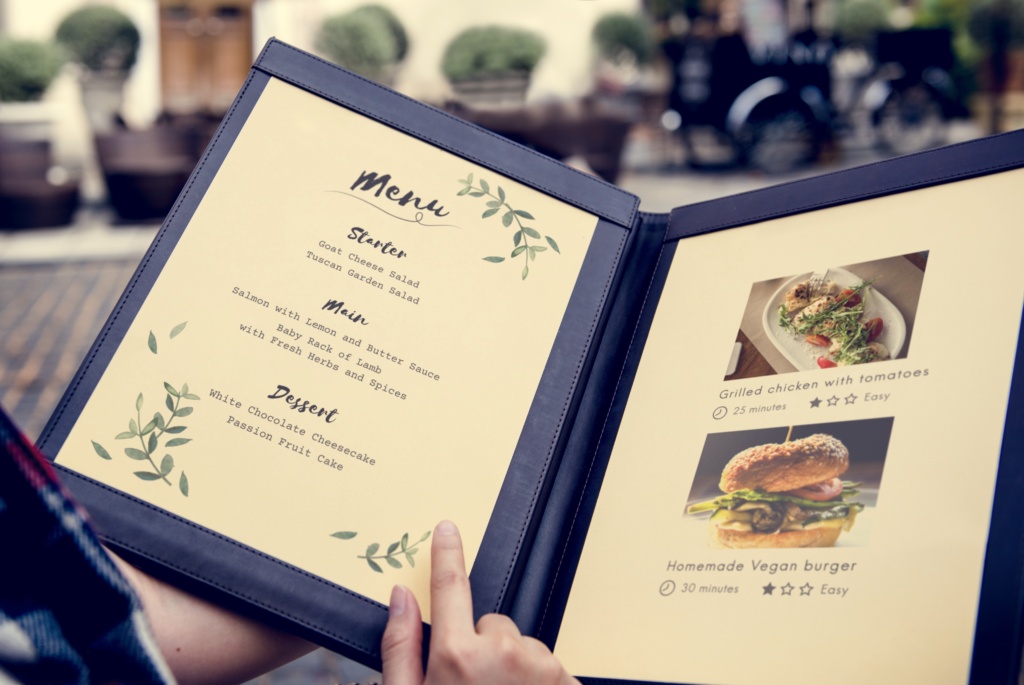
A restaurant’s menu is the foundation of the business. Every item should serve a purpose, whether it’s attracting new customers, boosting profits, or keeping loyal diners excited about returning. But adding a new dish isn’t as simple as throwing a trendy ingredient on a plate. It requires careful planning, strategic thinking, and an understanding of how it fits into the much bigger picture. If you’re considering expanding your menu, let’s take a look at the key factors to weigh before making any decisions.
Will This Addition Actually Make Your Restaurant More Successful?
Before committing to a new menu item, the first question to ask is whether it will make your restaurant more successful. It’s easy to get caught up in food trends or assume that a wider selection means more customers, but every dish needs to serve a strategic purpose.
A successful menu item should do at least one of three things: bring in new customers, increase sales from existing ones, or improve operational efficiency. If a dish doesn’t drive revenue or enhance the dining experience, it might not be worth the effort.
Testing customer interest is a smart way to gauge whether a dish will have staying power. Running it as a limited-time special, collecting customer feedback, or tracking sales performance before making it permanent can help avoid adding something that flops.
You Need the Right Equipment to Execute It
A great menu idea is only as good as the restaurant’s ability to deliver it consistently. Before adding a new dish, it’s crucial to evaluate whether the kitchen has the right equipment to prepare it efficiently. If a menu addition requires deep frying, for example, but the kitchen lacks proper oil management systems, it could create logistical headaches that outweigh the benefits.
This is where having a restaurant oil rendering tank becomes essential for operations that involve frying. Proper oil disposal isn’t just a matter of convenience—it’s a necessity for maintaining a clean and safe kitchen. Without an efficient system, cooking oil can quickly become a costly and messy problem, leading to longer prep times, higher maintenance costs, and even health code violations.
Beyond frying, consider whether existing appliances can handle the new demand. Do you have enough refrigeration space for additional ingredients? Will you need a new grill, oven, or specialty equipment? A dish might seem like a great idea on paper, but if executing it means slowing down service or increasing labor costs, it might not be worth the risk.
Impact on Your Inventory and Food Costs
Every ingredient that enters a kitchen needs to serve a purpose. A new menu item that requires specialty ingredients could lead to waste if those ingredients aren’t used in other dishes. Restaurants that manage food costs wisely look for ways to integrate new items without creating excess inventory.
Before finalizing a new dish, analyze whether its ingredients overlap with existing menu items. If a new dish requires an entirely separate set of ingredients that won’t be used elsewhere, it could lead to higher food costs and potential waste. On the other hand, if the new item allows for cross-utilization—meaning its ingredients are already used in multiple dishes—it becomes much easier to manage inventory without inflating expenses.
Portion control is another factor. A dish might be popular, but if it requires high-cost ingredients and large portions, it could reduce overall profitability. Finding a balance between customer satisfaction and cost efficiency ensures that a new menu item contributes to financial success rather than just adding complexity to operations.
Staff Capabilities
A dish might look great on the menu, but if it slows down kitchen operations, it can negatively impact the overall dining experience. Customers expect consistency, and a menu item that takes too long to prepare can lead to longer wait times, frustrated diners, and overwhelmed staff.
Before adding anything new, evaluate whether it fits into the current kitchen workflow. If a dish requires extensive prep work, complicated plating, or additional training for cooks, it might cause more problems than it solves. The best menu additions are those that can be prepared quickly and consistently, without disrupting the flow of service.
One way to test a new item’s feasibility is to have the kitchen team run a trial service with it. If the dish can be prepared efficiently during peak hours without slowing down other orders, it’s a strong candidate for the permanent menu.