


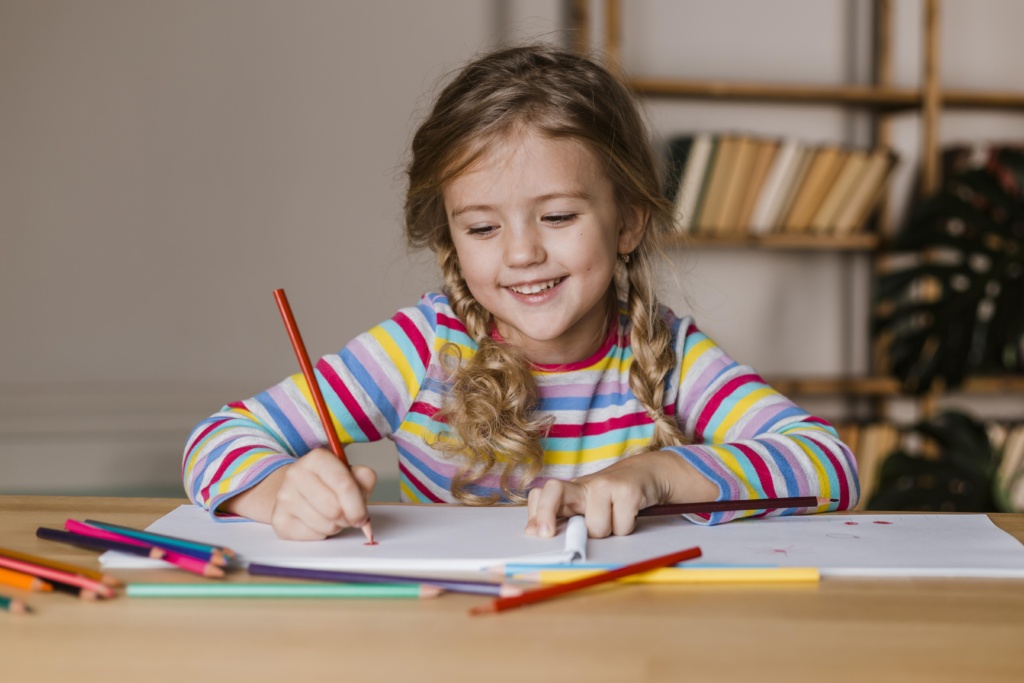
Writing is an essential skill for children to develop as they grow, allowing them to express themselves clearly and creatively. However, many children struggle with writing and find it challenging to put their thoughts down on paper. As a parent, carer or teacher, you play a vital role in nurturing your child’s writing abilities and building their confidence in this area. With creativity, patience and the right techniques, you can make developing writing skills an enjoyable process for children. Today, we will explore five fun and creative ways to help children improve their writing.
1. Understanding the Struggles
The first step is understanding where your individual child struggles with writing. If you are fostering in Scotland or elsewhere, sit down with your foster child and discuss any difficulties they have. This allows you to provide targeted support. Children often find it difficult to get started and think of what to write about. Generating ideas and translating thoughts into words are skills that take practice. Providing prompts and doing brainstorming sessions together can help spark their creativity. Children may also struggle with spelling, grammar and punctuation as they are still learning fundamental rules. Be patient and focus on the content first before correcting technical errors. With patience and encouragement, you can help your child overcome the unique writing challenges they face.
2. Make it Fun with Games
Turning writing into a game makes improving skills entertaining for children. Scrabble and Boggle are classic examples that build vocabulary and spelling in a fun, competitive way. For younger children, try hangman using sight words they are learning. Mad Libs are another great game where children fill in the blanks without knowing the story. The silly results get children laughing and unconsciously developing skills. You can also invent your own games, like story dice, where children roll different characters or settings and must incorporate them into a narrative. Setting a playful, encouraging tone keeps children engaged.
3. Get Creative with Art
Children’s books and television are filled with colourful pictures, so use art to inspire writing. Provide children with an image and ask them to write a story about it. Pictures can stretch their imagination beyond their own experiences. You can also have children draw their own pictures and write a story to match. Simple stick figure scenes or abstract shapes work. Making their own comic strips with dialogue and narration is another engaging option. Let them craft characters and make props for storytelling. Art provides a visual creative spark to get their minds and pens flowing.
4. Tap Into Their Interests
Children will find writing more rewarding if they can connect it to their own hobbies and passions. Ask what topics they would be excited to write about, like space, animals or football. Help them research the subject to uncover facts and stories they can include. If your child loves Lego, suggest they describe how to build something. Writing instructions or a review of a favourite game, book or film are other options. Showing them how writing can be meaningful and relate to what interests them motivates children to write.
5. Practice Every Day
Frequent, regular writing practice establishes it as a habit and develops skills through repetition. Encourage children to write daily, even if just for 15 minutes. Maintaining a journal is an easy way to make daily writing fun by giving them a personal, private space to express themselves. Every day, give them a prompt like “What did you do this weekend?” or “What is your favourite animal and why?”. For younger children, draw a daily picture for them to write a sentence or two about. Daily practice trains the mind to translate thoughts and experiences into writing.
Developing writing skills requires time and consistent practice but can be an enjoyable journey. Remember to be patient with errors, offer encouragement and celebrate small successes. With your guidance, writing can become a rewarding outlet for your child’s creativity and self-expression.