


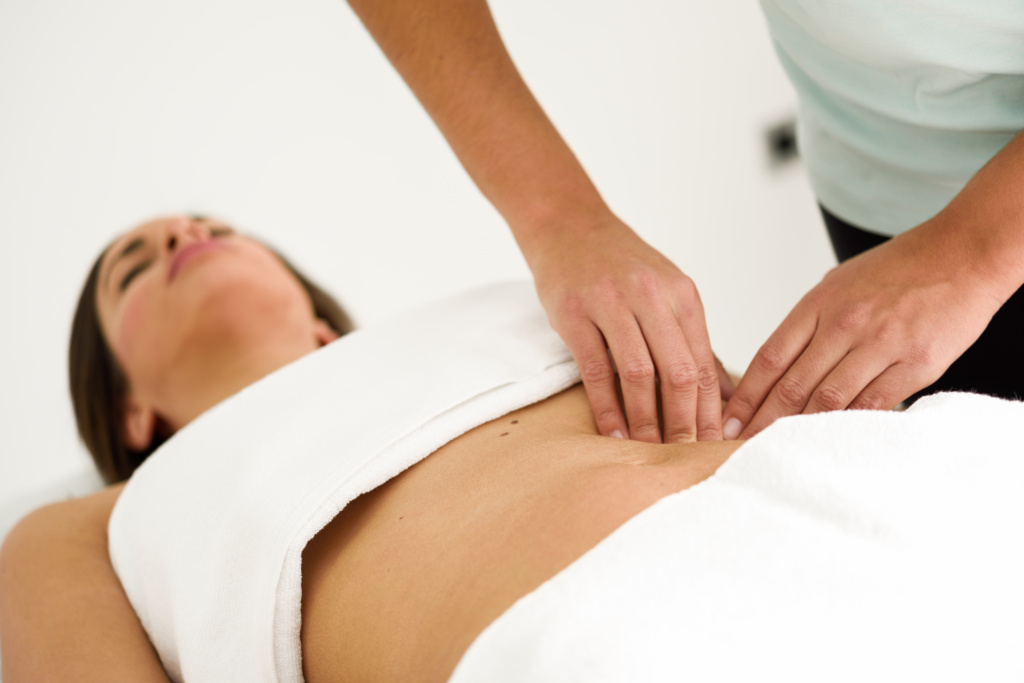
Pelvic floor physiotherapy helps people strengthen the muscles, ligaments, and tissues that support the bladder, uterus, vagina, and rectum. This therapy aims to improve your overall health and well-being. It can assist with issues related to childbirth, menopause, and other life stages, leading to a happier, healthier life.
If you’re unsure about what to expect in a pelvic floor physiotherapy session, being prepared can help ease your worries. Approaching this experience with a positive attitude can make a big difference.
Know What to Expect
The first step in preparing for pelvic floor physiotherapy is understanding what happens during sessions. In your first visit, the physiotherapist will assess your condition and ask about your medical history, current symptoms, and treatment goals. This is a safe environment where you can share any concerns, so feel free to talk openly.
After the assessment, the therapist might physically examine muscle strength and tension in your pelvic area. Depending on your comfort level, this may involve internal or external checks. The goal is to understand your pelvic health and create a plan to improve your condition. Knowing what to expect can help you feel more at ease.
Gather Your Support
Having support is important when starting something new. Bringing a friend, partner, or family member can be comforting. They can help ask questions during your appointment or offer support throughout your sessions. Their presence can make the process less intimidating and more positive.
Sometimes, having someone else with you encourages you to talk about your experiences with pelvic health. They can also remind you to follow through with any recommended exercises in your daily life. Remember, you’re not alone in this journey!
Dress Comfortably
Comfort is essential when going to pelvic floor physiotherapy. Wear clothes that let you move easily and provide access to the areas being treated. You don’t need to wear workout clothes, but choose something comfortable. If the therapist needs to do certain treatments or tests, comfortable clothing helps make it easier.
It’s also a good idea to bring an extra layer, like a sweater, in case the clinic is cool. Being comfortable helps you relax and focus on your treatment.
Be Open and Honest
To get the most out of pelvic floor physiotherapy, communicate openly with your therapist. Share your medical history, current symptoms, and any lifestyle factors affecting your pelvic health. This openness allows the therapist to create the best treatment plan for you.
If something makes you uncomfortable, speak up. The goal is to help you feel better, and your therapist can adjust the approach based on your feedback. Remember, this is a team effort, and your input is important.
Ask About Home Strategies
Before your appointments, consider how to use your treatment techniques at home. Many therapists give you exercises, stretches, or breathing methods to practice at home. This practice can help your progress. Knowing what you can do outside the clinic will make you feel more involved in your treatment.
Be sure to ask your therapist specific questions about these home strategies during your sessions. Understanding what to practice, how often to do it, and what challenges you may face will help you manage your symptoms and improve your pelvic floor health more effectively.
Stay Positive and Patient
Pelvic floor physiotherapy can produce great results, but it often takes time and consistent effort. Keeping a positive outlook on this journey increases your chances of success. Celebrate small wins, like finishing an exercise routine at home or noticing improvements. Each step is part of your overall path to better health.
Patience is also essential. Some days may feel harder than others, and progress might not always be steady. Trust your therapist’s expertise and commitment to the process, which will help you focus on your goals.
Understand the Benefits
Pelvic floor physiotherapy provides several important benefits beyond relieving discomfort. It helps strengthen and better coordinate the pelvic muscles, which can lead to improved bladder control, less pelvic pain, and better sexual function. Recognizing these benefits can encourage you to stick with your treatment plan and notice the positive changes in your body.
Track Your Progress
Tracking your progress is an important part of pelvic floor physiotherapy. You might want to keep a journal to write down your symptoms, the exercises you complete, and any changes you notice. This information can help your therapist adjust your treatment during sessions. Monitoring your progress also reinforces your efforts and shows you how much you have improved.