


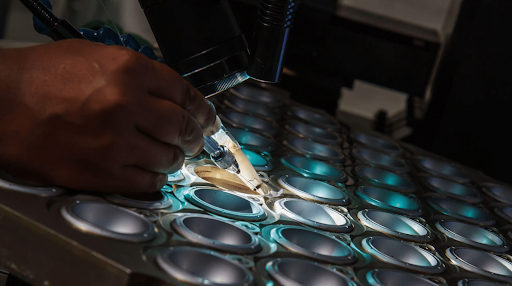
Laser welding is a powerful technique that offers precision and efficiency in various industries. But with great power comes great responsibility. As a laser welding operator, understanding and implementing essential safety measures is crucial to protect yourself and your team from potential hazards.
In this article, you’ll learn key safety protocols that every laser welding operator should follow. These measures will help create a safer working environment, from personal protective equipment to proper workspace organization. By prioritizing safety, you’ll enhance your well-being and contribute to your operations’ success.
Understanding Welding Laser Hazards
Laser welding presents distinct hazards that require awareness and management. Operators must recognize these risks to maintain a safe working environment.
Beam and Plasma Risks
Beam hazards arise from direct exposure to intense light generated during laser welding. The effects can lead to severe eye injuries or skin burns. Plasma formation, often generated by the high heat, may also produce debris and radiation. Operators should use appropriate eye protection and barriers to mitigate these risks.
Environmental and Atmospheric Hazards
Welding laser produce fumes and gases that compromise air quality. Inhalation of these may irritate the respiratory system. Ventilation plays a crucial role in removing harmful byproducts. Implementing exhaust systems minimizes airborne pollutants.
Why Are Denaliweld Products Safe Against Welding Laser Hazards?
Denaliweld products integrate advanced safety features and materials effectively to withstand laser exposure. Their robust construction reduces the chances of failure under high temperatures. For instance, certain Denaliweld helmets offer significant shielding from harmful light. These measures support operator safety while enhancing work efficiency.
Pre-Operation Safety Planning
Pre-operation safety planning for laser welding involves detailed preparation to minimize risks. You require thorough training on equipment, PPE use, and emergency handling. Regular inspections of welding lasers must occur to confirm that safety devices function properly and to report any malfunctions promptly.
Risk Assessment
Assess all potential hazards, considering exposure to laser radiation or burns. Identify electrical hazards and toxic fumes, ensuring you account for skin and eye dangers specific to laser light. Use laser safety glasses, preferably those meeting BS EN 207:2017 standards, and suitable protective clothing and gloves.
Environmental Controls
Laser welding should be conducted in specially designated areas, maybe those constructed to contain radiation. These spaces require proper ventilation and materials capable of withstanding heat. Safety systems must automatically shut down the laser if circumstances aren’t safe.
Signage and Access Control
Mark laser welding areas clearly with appropriate signage. Access to these zones should be controlled; barriers or locks should be used to restrict entry. A qualified safety officer can supervise the controlled area, promoting compliance with safety regulations.
Personal Protective Equipment (PPE)
PPE plays a critical role in safeguarding laser welding operators from hazards. Proper gear minimizes risks associated with laser operations and related processes.
Eye and Face Protection
Select laser-safe goggles or helmets with filters specific to the welding laser’s wavelength. These reduce the risk of severe eye injuries caused by intense, invisible light. When choosing protection, confirm compliance with recognized standards for optical density.
Respiratory Protection
Operatives may overlook respiratory safety, but proper ventilation is crucial for reducing exposure to harmful fumes. Air quality directly influences health, so using exhaust systems helps prevent respiratory irritation. Consider regular air monitoring to maintain safe environments.
Protective Clothing
Wear heat-resistant gloves to shield against burns during welding tasks. Flame-resistant clothing, including long sleeves and pants, protects from sparks and metal spatter. Sturdy, heat-resistant work boots prevent injuries from hot materials and sharp objects.
| PPE Item | Purpose |
|---|---|
| Laser-safe goggles/helmets | Protection from laser radiation |
| Heat-resistant gloves | Shield hands from burns and sparks |
| Flame-resistant clothing | Protects skin from sparks and spatter |
| Work boots | Safeguards feet from hot materials |
Machine Safety Features
Safety measures play a key role in protecting operators during laser welding. Various machine features help maintain a secure environment.
Emergency Stop Mechanisms
Emergency stop mechanisms provide immediate shutdown capabilities during malfunctions. These systems help prevent accidents by halting the welding laser at crucial moments.
Distance Sensors and Interlocks
Distance sensors and interlocks are crucial in maintaining safe operation. These devices can ensure that the welding laser doesn’t activate if the operator remains too close or safety barriers are removed.
Protective Enclosures and Workstations
Protective enclosures effectively contain the laser beam. Constructing workstations that prioritize ventilation and space can minimize risks associated with laser operations. Operate in areas designed specifically for safety to keep hazards at bay.
Control of Contaminants and Plasma Hazards
Effective management of contaminants and plasma hazards is vital in laser welding environments. Both pose risks to operators. You must focus on maintaining air quality while protecting against potentially harmful emissions.
Role of Shielding Gas
Shielding gas plays a significant role during laser welding. It guards the molten weld pool against atmospheric contamination. Without this protection, your welds might suffer defects like porosity or oxidation.
Common Shielding Gases and Considerations
Common shielding gases include argon and helium. Each serves a specific function.
- Argon: It’s often favored due to availability and cost efficiency.
- Helium: It can enhance heat input and penetration in certain situations.
You should carefully choose the gas based on the material and laser type. Monitoring flow rates and proper nozzle positioning is crucial. An effective setup optimizes shielding while keeping the laser beam stable.
Safe Operation Practices
Safety during laser welding involves methodical practices. Operators must adhere to specific protocols to maintain a safe workspace.
Operator Training and Competency
Operators require thorough training in laser welding, focusing on equipment handling and safety protocols. Training should incorporate knowledge of risks, emergency procedures, and protective measures.
Beam Alignment and Fixturing
Proper beam alignment is critical for accurate welds. You must verify that fixtures securely hold workpieces, preventing beam misdirection. This helps maintain consistent weld quality and reduces the chance of accidents.
Workpiece Handling
Handling workpieces involves using suitable personal protective equipment (PPE). Gear like laser safety glasses and flame-resistant clothing protects against potential hazards. A well-ventilated area minimizes exposure to harmful fumes, making the workspace safer.
Maintenance and Inspection
Maintenance and inspection of laser welding equipment play a significant role in operator safety, and regular checks can identify potential issues before they escalate.
Routine System Checks
The welding laser unit should be inspected regularly according to the manufacturer’s recommendations. Inspect for malfunctioning or damaged components that could cause hazards, documenting findings to track equipment performance over time.
Calibration and Alignment
Verify the calibration and alignment of the welding laser before each use. Check the beam’s focus on the workpiece to prevent misalignment that could lead to unintended exposure. Adjustments should be made as needed to maintain operational safety.
Consumables and Component Replacement
Replace consumables like lenses and nozzles according to the manufacturer’s guidelines. Monitoring wear and tear on protective barriers is crucial. These measures help sustain safety and performance levels throughout the equipment’s life.
Emergency Response Procedures
Emergency response procedures play a critical role in maintaining the safety of laser welding operators. Operators must prepare for unforeseen events like fires, power failures, and personnel injuries.
Incident Reporting and Investigation
Immediate reporting of incidents or malfunctions is crucial. Conducting comprehensive investigations helps identify root causes and eventually prevents future occurrences.
First Aid for Laser Injuries
Eye protection remains essential after laser injuries. Prompt medical attention is vital, particularly for eye damage. Skin injuries also require quick treatment—apply proper wound care to avoid infections.
Fire and Spill Control
Carry out measures to avert fires in the workspace. Proper ventilation and fire-resistant materials can reduce risks. Training operators in using fire extinguishers and providing access to spill control equipment significantly enhances overall safety.
Conclusion
In laser welding, rigorous adherence to safety protocols—wearing wavelength-appropriate goggles, restricting access with clear hazard signage and interlocks, maintaining well-ventilated, enclosed workspaces, and ensuring all operators are thoroughly trained and regularly drilled—combined with strict compliance with standards like ANSI Z136.1 and routine inspections is essential to protecting personnel and optimizing operational safety.