


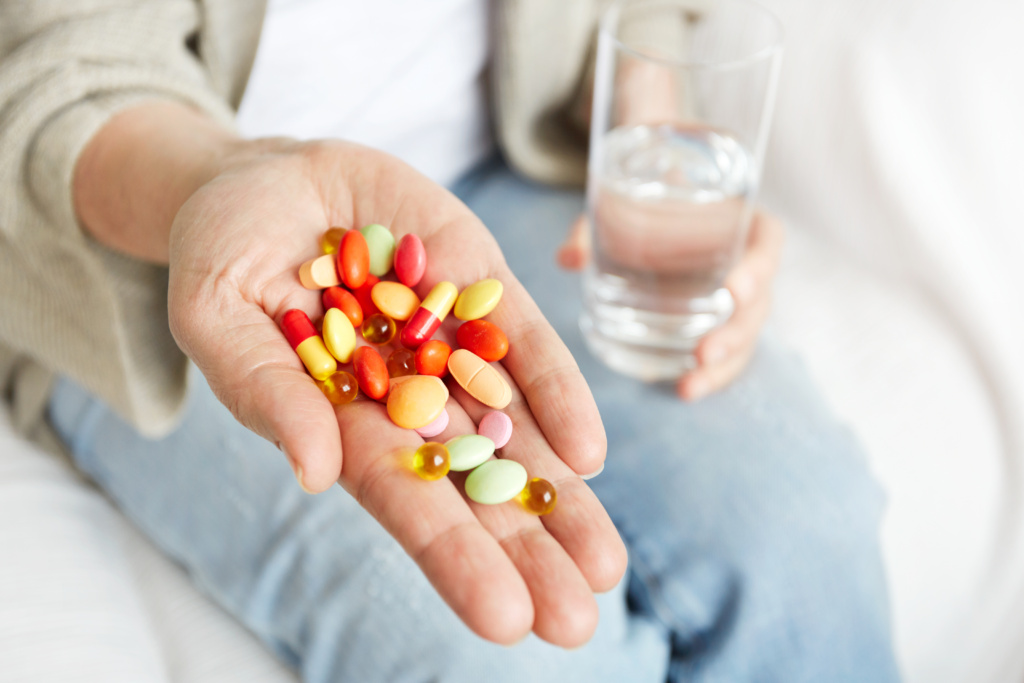
When depression weighs heavily on daily life, the search for relief can lead people down a dangerous path. Many turn to alcohol, drugs, or other substances to numb emotional pain, thinking they’ve found a solution. This practice, known as self-medication, might provide temporary escape, but it ultimately creates more problems than it solves.
The Appeal of Self-Medication
Depression often brings overwhelming feelings of sadness, hopelessness, and emotional numbness. In these moments, substances can seem like an immediate lifeline. Alcohol might temporarily quiet racing thoughts, while stimulants could provide a brief burst of energy when motivation feels impossible to find. The instant relief these substances offer can feel like a revelation to someone who has struggled with persistent mental anguish.
The accessibility factor also plays a significant role. Unlike professional treatment, which may involve waiting lists, insurance hurdles, or stigma concerns, substances are often readily available. For many, reaching for a drink or pill feels easier than reaching out for help.
Why Self-Medication Backfires
What begins as an attempt at relief quickly transforms into a compounding problem. Substances that initially seem helpful actually worsen depression symptoms over time. Alcohol, for instance, is a depressant that disrupts sleep patterns and brain chemistry, often leaving people feeling worse once its effects wear off.
The cycle becomes self-perpetuating. As tolerance builds, larger amounts are needed to achieve the same numbing effect. Meanwhile, the underlying depression remains untreated and often intensifies. Guilt and shame about substance use adds another layer of emotional burden, creating what experts call a “dual diagnosis” situation where both conditions feed into each other.
Regular substance use also interferes with the brain’s natural ability to produce mood-regulating chemicals like serotonin and dopamine. This biological disruption makes it even harder to experience natural feelings of happiness or contentment, trapping individuals in a cycle where they feel they need substances just to function.
Healthy Alternatives That Actually Work
Breaking free from self-medication requires replacing harmful coping mechanisms with effective ones. Professional therapy, particularly cognitive behavioral therapy, helps people identify triggers and develop healthier responses to difficult emotions. Many find that talking through their struggles with a trained counselor provides the relief they were seeking through substances.
Physical activity serves as a powerful natural antidepressant. Regular exercise releases endorphins and helps regulate sleep patterns, both crucial for mental health recovery. Even a daily walk can make a meaningful difference in mood and energy levels.
Building a strong support network proves invaluable in recovery. This might include trusted friends, family members, support groups, or online communities where people share similar struggles. Having others who understand the challenges makes the journey less isolating.
Mindfulness practices like meditation, deep breathing, or journaling offer healthy ways to process difficult emotions without numbing them. These techniques help people develop tolerance for uncomfortable feelings while building emotional resilience.
Finding Professional Help
The most effective approach combines multiple strategies under professional guidance. Mental health professionals can prescribe appropriate medications when needed, provide therapy, and help coordinate comprehensive treatment plans. Many treatment centers now specialize in addressing both depression and substance use simultaneously, recognizing their interconnected nature.
Recovery from both depression and self-medication is possible with the right support and tools. While the path may feel challenging, choosing evidence-based treatment over temporary fixes leads to lasting healing and genuine hope for the future.