


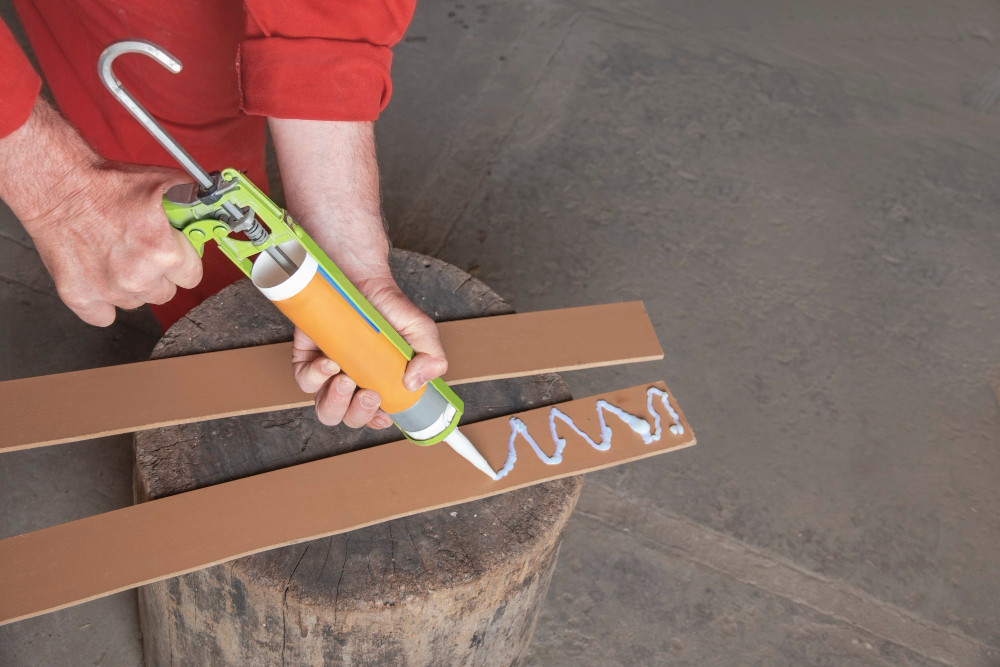
In today’s manufacturing and assembly environments, industrial adhesives play a critical role in joining materials quickly, efficiently, and often with improved performance over traditional fastening methods like welding or mechanical fasteners. However, selecting the right adhesive for your specific application is not always straightforward. With numerous adhesive types available, each designed for different substrates and conditions, making an informed choice can mean the difference between a strong, durable bond and costly failures.
This blog post will guide you through the essential factors to consider when choosing an industrial adhesive, ensuring you find the optimal solution for your project’s needs.
Understand Your Materials
The first step in selecting the right adhesive is understanding the materials you intend to bond. Different adhesives are formulated to work best with specific substrates. For example:
- Epoxies provide excellent adhesion to metals, ceramics, and many plastics.
- Acrylics often bond well to metals and plastics, offering fast curing times.
- Polyurethanes are ideal for flexible bonds and work well with wood, plastics, and composites.
- Silicone adhesives excel with glass, metals, and materials exposed to extreme temperatures or weathering.
Additionally, some materials like polyethylene and polypropylene have low surface energy and are notoriously difficult to bond. In such cases, specialized adhesives or surface treatments may be required.
Consider Environmental Conditions
The environment in which the bonded assembly will operate significantly influences adhesive selection. Key environmental factors to evaluate include:
- Temperature Range: Will the bond be exposed to high heat or freezing cold? Silicone and certain epoxies withstand high temperatures, while others may degrade.
- Moisture Exposure: For outdoor or marine applications, adhesives must resist water and humidity. Polyurethanes and certain epoxies offer excellent moisture resistance.
- Chemical Exposure: If the bond will contact solvents, oils, or acids, choose adhesives with chemical resistance to prevent weakening.
- UV Exposure: Outdoor applications require adhesives that resist UV degradation to maintain bond integrity.
Matching the adhesive’s environmental resistance to your operating conditions ensures long-lasting performance.
Determine Mechanical Requirements
Assess the mechanical stresses the bond will face:
- Load Type: Will the adhesive need to withstand shear, peel, tensile, or impact forces? Some adhesives excel in shear strength but have poor peel resistance.
- Flexibility: Does the bond require flexibility to accommodate vibration or thermal expansion? Polyurethane and silicone adhesives are typically flexible, whereas epoxies are rigid.
- Curing Time: Depending on production speed, you may need a fast-setting adhesive or one that allows longer working times for complex assemblies.
By defining the mechanical needs clearly, you can select an adhesive that performs reliably under your specific stresses.
Application Method and Process Compatibility
Consider how the adhesive will be applied and integrated into your manufacturing process:
- Application Method: Some adhesives are dispensed via manual syringes, others require automated dispensing equipment, sprays, or tapes.
- Cure Type: Adhesives cure by heat, moisture, UV light, or chemical reaction. Ensure your production setup can accommodate the required curing method.
- Viscosity and Gap Filling: Thicker adhesives are better for filling gaps or bonding rough surfaces, while low-viscosity adhesives are ideal for tight joints.
Ease of application affects productivity and overall quality, so choose adhesives compatible with your process.
Safety and Regulatory Considerations
Industrial adhesives can contain volatile organic compounds (VOCs) or other hazardous chemicals. Ensure your adhesive complies with workplace safety standards and environmental regulations. Some applications, such as food packaging or medical devices, may have additional regulatory requirements governing adhesive selection.
Cost vs. Performance Balance
While cost is always a factor, the cheapest adhesive may not deliver the needed durability or reliability. Consider the total cost of ownership—including rework, failures, and downtime—when choosing an adhesive. Investing in the right adhesive upfront can save significant costs and headaches later.
Conclusion
Selecting the right industrial adhesive is a crucial decision that impacts product quality, manufacturing efficiency, and long-term reliability. By thoroughly understanding your materials, environmental factors, mechanical demands, and process requirements, you can confidently choose an adhesive that ensures a strong, durable bond tailored to your application.
For complex applications or critical bonding needs, consulting with adhesive manufacturers or technical experts can provide valuable insights and testing support. Remember, the perfect adhesive not only joins your materials but also supports the overall success of your project.