


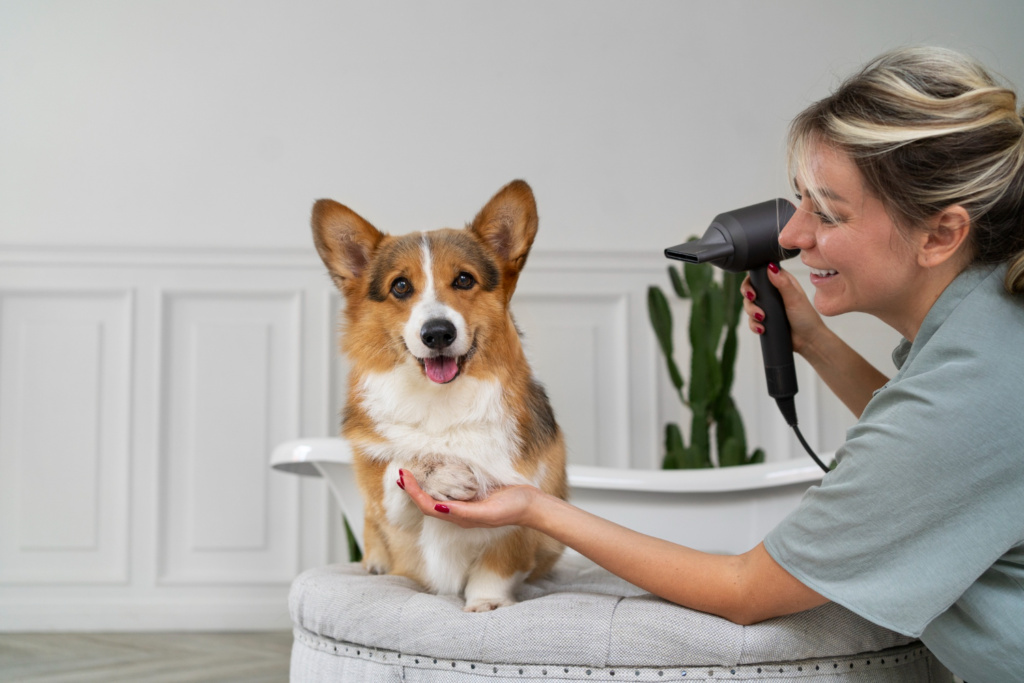
As a dog owner, keeping your furry companion looking and feeling their best is about more than just aesthetics—it’s a key part of their health and happiness.
Regular dog grooming not only helps your pet stay clean and comfortable, but it also allows you to monitor their well-being. Whether you’re a new pet parent or a seasoned dog owner, here are some essential grooming tips every dog owner should know.
Brushing is More Than Just Beauty
Brushing your dog regularly helps remove dirt, dead hair, and dandruff. It also prevents matting, which can lead to skin infections and discomfort. Different coat types require different brushing routines:
- Short-haired dogs like Boxers or Beagles may only need weekly brushing.
- Long-haired dogs such as Golden Retrievers or Afghan Hounds benefit from daily brushing to avoid tangles.
- Curly or wiry coats, like those on Poodles or Terriers, need specialized tools and regular attention.
Brushing also stimulates natural oils in your dog’s skin, keeping their coat shiny and healthy.
Bath Time Basics
Dogs don’t need to be bathed as often as humans—typically every 4–6 weeks, depending on their breed, activity level, and skin condition. Use a shampoo specifically formulated for dogs, as human shampoos can disrupt the pH balance of their skin. Always rinse thoroughly to avoid residue that may cause irritation.
If your dog has skin allergies or conditions, consult your vet for a medicated shampoo. For active or particularly dirty dogs, you might need to bathe them more frequently, but always monitor their skin for signs of dryness or irritation.
Nail Trimming: Don’t Skip It
Long nails can cause pain and lead to posture problems or injuries. Most dogs need their nails trimmed every 3–4 weeks. If you hear clicking on the floor when they walk, it’s time for a trim.
Use a dog nail clipper or grinder, and be cautious not to cut into the quick—a blood vessel inside the nail. If you’re unsure, ask your vet or groomer to show you how.
Ears and Eyes: Handle With Care
Dogs’ ears can easily trap moisture, wax, and debris, which can lead to infections—especially in breeds with floppy ears like Cocker Spaniels. Clean their ears weekly with a vet-approved cleaner and cotton ball (never use Q-tips inside the ear canal).
Keep your dog’s eyes clear of discharge and check for signs of redness, cloudiness, or irritation. Breeds with prominent eyes, like Pugs or Shih Tzus, are more prone to eye issues and may need daily cleaning with a damp cloth.
Dental Care Is Crucial
Dental health is often overlooked, yet it’s vital for your dog’s overall well-being. Brushing your dog’s teeth several times a week (ideally daily) can prevent tartar buildup, gum disease, and even heart problems.
Use a toothbrush and toothpaste made specifically for dogs—never human toothpaste, as it can be toxic to them. Dental chews and toys can also help reduce plaque.
Regular Professional Grooming
Depending on your dog’s breed, you may need to schedule regular visits to a professional groomer. This is especially important for dogs with high-maintenance coats or those who require haircuts. Professional groomers can also spot early signs of skin issues, parasites, or abnormalities that you might miss.
Make Grooming a Positive Experience
Always associate grooming with positive reinforcement. Offer treats, praise, and plenty of patience. Starting grooming habits early and keeping them consistent can help prevent anxiety and make the process smoother for both of you.
Conclusion
Grooming is an essential part of being a responsible dog owner. Beyond keeping your pet looking good, bonding with your dog and monitoring their health is crucial. With a consistent routine and the right tools, you’ll help ensure your dog is clean, comfortable but also healthy, and happy.