


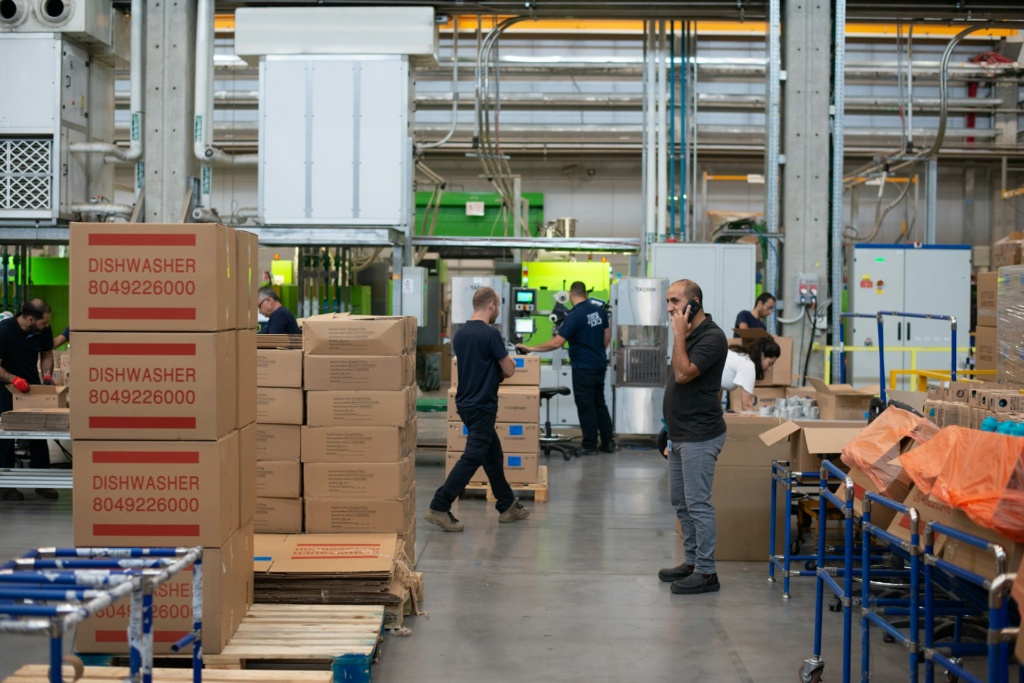
Want to protect your warehouse workers and expensive equipment?
Every warehouse manager knows the daily dangers lurking in their facility. From speeding forklifts to falling inventory, warehouses are hazardous environments where one small mistake can lead to serious injuries or costly equipment damage.
Here’s the problem:
Warehouse accidents happen way too often. The latest data shows that warehousing has an injury rate of 4.8 per 100 workers, which means nearly 5 out of every 100 employees get hurt on the job each year.
But there’s good news…
Guard rail systems are one of the most effective ways to create safer warehouse environments. These physical barriers protect both your team and your valuable assets from preventable accidents.
What you’ll discover:
- Why Guard Rails Matter For Warehouse Safety
- The Hidden Costs of Warehouse Accidents
- Types of Guard Rail Systems That Work
- How to Choose the Right Protection
Why Guard Rails Matter For Warehouse Safety
Guard rail systems aren’t just metal barriers — they’re your first line of defense against warehouse disasters.
Think about it…
Your warehouse is a busy place with forklifts, pallet jacks, and workers moving around constantly. Without proper protection, expensive equipment and people are at risk every single day.
Installing quality warehouse guardrails creates physical boundaries that prevent accidents before they happen. These barriers separate pedestrian walkways from vehicle traffic, protect valuable machinery from impact damage, and give workers peace of mind knowing they’re safe.
Here’s what makes guard rails so effective:
- They create a clear separation between vehicles and pedestrians
- They protect expensive equipment from costly damage
- They reduce liability and insurance costs
- They help you comply with OSHA safety requirements
But here’s the thing most warehouse managers don’t realize…
The right guard rail system pays for itself through prevented accidents and reduced insurance claims. When you consider that the average workplace injury costs $41,000, investing in proper safety barriers becomes a no-brainer.
The Hidden Costs of Warehouse Accidents
Let me tell you something that might surprise you…
Warehouse accidents cost way more than just medical bills. When someone gets injured in your facility, you’re looking at both direct and indirect costs that can quickly add up to six figures.
Direct costs include:
- Medical expenses and workers’ compensation
- Equipment repairs or replacement
- OSHA fines and legal fees
- Increased insurance premiums
Indirect costs are even worse:
- Lost productivity from injured workers
- Training replacement employees
- Investigating the accident
- Damage to your company’s reputation
The numbers are pretty shocking. A quarter of all warehouse accidents happen at loading docks, where vehicles and pedestrians work closely together. Most of these accidents could be prevented with proper guardrail systems.
And here’s the kicker…
Struck-by injuries account for 16% of warehouse fatalities, with many involving workers being hit by moving vehicles or falling objects. Guard rails create physical barriers that stop these accidents from happening.
Types of Guard Rail Systems That Work
Not all guard rail systems are created equal. You need to choose the right type for your specific warehouse needs.
Let me break down the most effective options:
Standard Warehouse Guard Rails
These are your basic protection systems that work great for most applications. They’re typically made from steel and designed to withstand impacts from forklifts and other equipment.
Heavy-Duty Impact Barriers
When you need maximum protection, heavy-duty barriers are the way to go. These systems can handle serious impacts from large equipment without failing.
Flexible Guard Rail Systems
Sometimes you need protection that can absorb impacts without causing damage to vehicles. Flexible systems bend on impact and then return to their original shape.
Modular Guard Rail Systems
Want maximum flexibility? Modular systems let you create custom configurations that fit your exact layout needs.
How to Choose the Right Protection
Picking the right guardrail system depends on your specific warehouse needs. Here’s how to make the best decision for your facility…
Start by assessing your risks:
- Where do vehicles and pedestrians interact?
- What equipment needs protection?
- How much traffic flows through different areas?
- What’s your budget for safety improvements?
Consider your environment:
Different warehouses have different needs. A food processing facility has different requirements than an automotive parts warehouse. Temperature, humidity, and cleaning requirements all affect your choice.
Think about maintenance:
Some guard rail systems need regular maintenance while others are virtually maintenance-free. Factor in long-term costs when making your decision.
Don’t forget about installation:
Some systems require professional installation while others can be installed by your maintenance team. Consider both the upfront cost and ongoing flexibility.
Installation and Maintenance Best Practices
Getting the most from your guard rail system means proper installation and regular maintenance.
Follow manufacturer specifications exactly and use proper anchoring methods for your floor type. Regular visual inspections help catch damage early, and prompt repairs keep your system working effectively.
Want to know the best part?
Most modern guard rail systems require minimal maintenance once properly installed. They’re designed to withstand years of warehouse use with just basic care.
Making the Business Case
Still need to convince management to invest in guardrail systems? Here’s how to make a compelling business case…
Calculate your current risk:
- Review your accident history
- Calculate average costs per incident
- Estimate potential future costs
- Factor in insurance premium increases
Show the ROI:
- Compare guard rail costs to potential accident costs
- Include insurance savings
- Factor in productivity improvements
- Consider compliance benefits
Present real numbers:
Management responds to facts. Show them that OSHA estimates 70% of forklift accidents could be prevented with proper safety measures, including guard rails.
Beyond Basic Protection
Guard rail systems are just the beginning of comprehensive warehouse safety. They work best as part of a complete safety program that includes proper training, regular inspections, and clear procedures.
But here’s something most warehouse managers miss…
Visual safety barriers also improve overall safety awareness. When workers see physical protection systems, they’re more likely to follow other safety procedures too.
Future-Proofing Your Investment
The warehouse industry is constantly evolving. New equipment, changing layouts, and growing operations all affect your safety needs.
Choose systems that can grow with you — modular designs that can be reconfigured, expandable systems for future growth, and durable materials that last for years.
Smart warehouse managers think long-term when investing in safety systems. The guard rails you install today should still be protecting your facility years from now.
Making It Happen
Guard rail systems are one of the smartest investments you can make in warehouse safety. They protect your people, your equipment, and your bottom line.
Don’t wait for an accident to happen. The time to install proper protection is before you need it, not after someone gets hurt.
Remember, every day you operate without proper safety barriers is a day you’re risking everything you’ve worked to build. Your employees deserve a safe workplace, and your business deserves protection from preventable accidents.
Take action today and give your warehouse the protection it needs. Your future self will thank you for making safety a priority.