


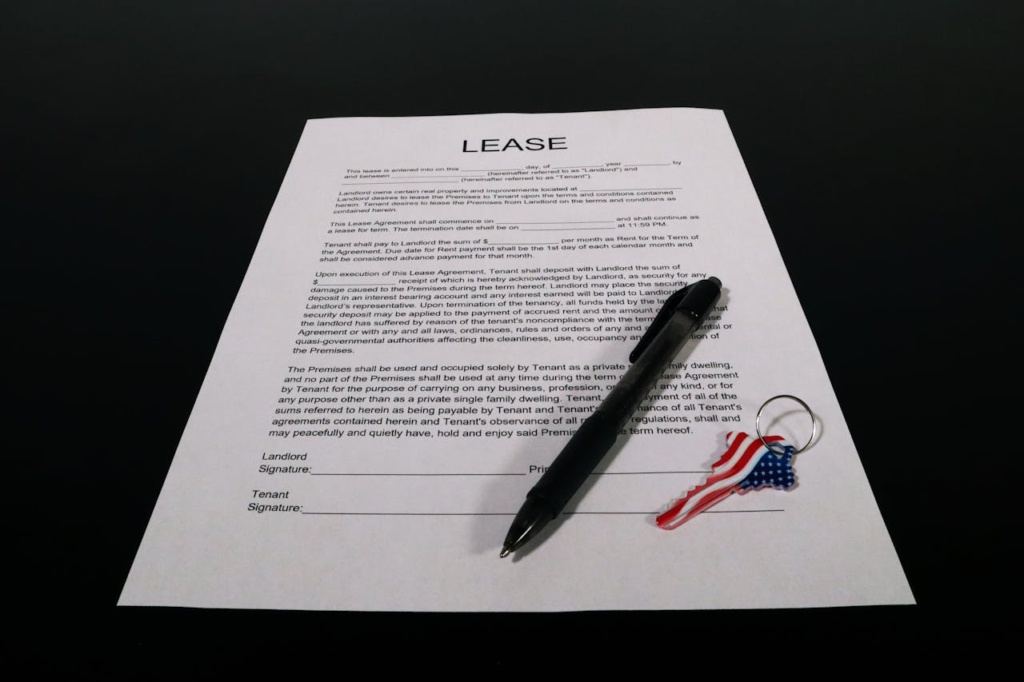
If you’re renting out or moving into a home in California, you might wonder: is a handshake deal good enough, or do you legally need a lease in writing? It’s a fair question, especially when you’re trying to keep things simple and avoid paperwork.
While California law doesn’t always require a written contract for short-term rentals, relying on a California residential lease agreement is honestly one of the smartest things both landlords and tenants can do. Trust me on this one.
Verbal agreements can get murky fast, and when money and housing are involved, you don’t want to leave things to chance. A written lease offers structure, clarity, and legal backing when things don’t go as planned, which happens more often than you’d think.
When a Written Lease Is Actually Required by Law
In California, any lease longer than one year must be in writing to be legally enforceable. This isn’t just a suggestion, it’s the law under the Statute of Frauds, and verbal agreements for long-term rentals simply won’t hold up in court.
Month-to-month or short-term arrangements can technically be oral, but that doesn’t mean they’re a good idea. Without a written lease, there’s no easy way to prove the rent amount, due dates, security deposit terms, or maintenance responsibilities.
If a dispute arises, courts rely on the lease as evidence of what was actually agreed upon. No lease? You’re stuck in a “he said, she said” scenario that can go badly for either party, and nobody wants that kind of stress.
Benefits of a Written Lease for Landlords
A written lease gives landlords way more protection than most people realize. You get clear documentation of the rent amount, deposit terms, and lease duration that nobody can dispute later.
It provides legal leverage for eviction if the tenant violates the terms, and protection against claims of verbal promises or miscommunication that can be expensive to fight. You can also outline specific rules about pets, smoking, or subletting that prevent problems before they start.
It also simplifies tax preparation, insurance claims, and compliance with required California disclosures like lead paint warnings, flood risk information, or pest control notifications. These disclosures are mandatory, and having them in writing protects you legally.
Even for month-to-month agreements, a signed lease is an essential risk management tool that can save you thousands of dollars in legal fees down the road.
Benefits of a Written Lease for Tenants
Tenants benefit just as much from having everything in writing. A written lease locks in the rent amount for the lease term, so you don’t have to worry about surprise increases every month.
It outlines your rights to privacy and specifies how much notice your landlord must give before entering your unit. It also details exactly how and when your security deposit will be returned, which prevents disputes when you move out.
Without written terms, tenants may face unexpected rent hikes or lose deposits without clear justification. Plus, in disputes, having a signed lease makes it much easier to prove your side of the story, especially in tenant-friendly jurisdictions like California.
What Should Actually Be in a California Residential Lease
Whether you’re drafting one or signing one, a proper California lease should include some essential elements that protect everyone involved. You need the names of all parties, the complete property address, and the exact rent amount with due date and any late fees.
Include security deposit terms that comply with California limits, the start and end date of the lease, maintenance responsibilities for both parties, and clear rules about pets, guests, smoking, and subletting.
Don’t forget the required state disclosures, which vary depending on the property’s age and location. Start with a California-specific lease template or have an attorney review yours to ensure it meets legal requirements and actually protects your interests.
What Happens When Verbal Agreements Go Wrong
Oral agreements may seem easier and more flexible, but they’re incredibly risky for both parties. Without a written lease, misunderstandings over rent increases, repair responsibilities, or deposit returns are really hard to resolve fairly.
Courts may side with whichever party presents stronger documentation, and even text messages or emails can become key evidence in disputes. If a disagreement ends up in small claims court, a signed lease typically carries far more weight than memory or assumptions about what was agreed upon.
Here’s the bottom line: if you can’t prove what the agreement was, you may lose your legal protection entirely. That’s a risk most people can’t afford to take when housing is involved.
The Smart Choice Is Clear
You’re not legally required to have a written lease for every rental situation in California, but you’d be wise to use one anyway. The small amount of extra effort upfront can save you major headaches and expenses later.
A written agreement protects landlords and tenants alike by clearly laying out expectations and legal boundaries that everyone understands. Whether you’re renting for six months or several years, having everything documented makes things smoother, safer, and far easier to resolve if issues arise.
Don’t rely on memory or good intentions when it comes to housing agreements. Put it in writing and protect your investment, your home, and your peace of mind.