


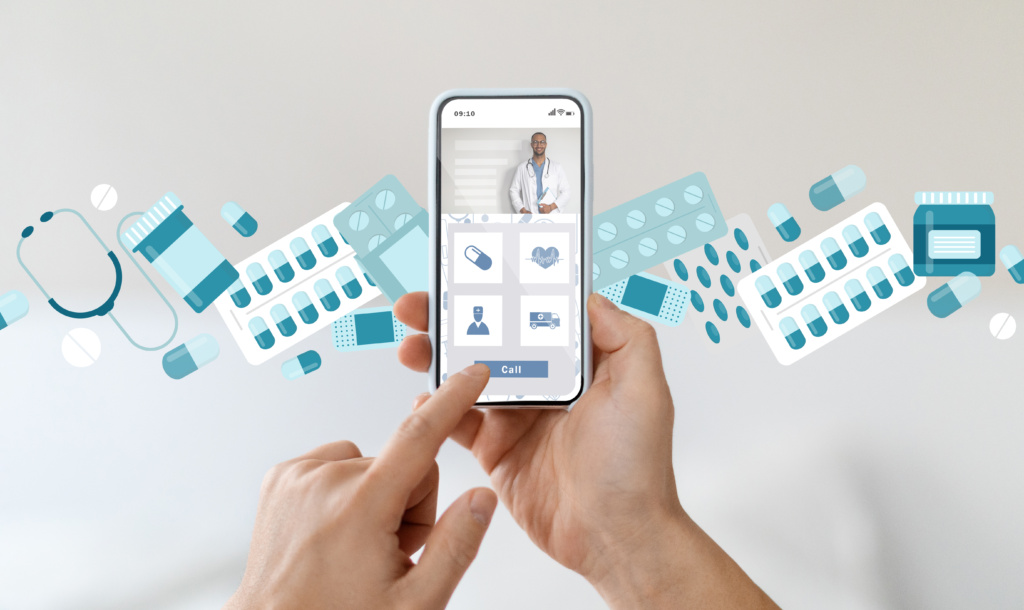
When we think about innovation in healthcare, advanced technologies such as Artificial Intelligence, big data analytics, and telemedicine platforms often take center stage. Yet, one of the most decisive factors in whether these solutions actually succeed is often overlooked: user experience (UX) and user interface (UI) design. In the context of healthcare software development, a well-designed UX/UI can mean the difference between a product that improves patient outcomes and one that frustrates its users.
Why UX/UI Matters in Healthcare
Healthcare is one of the most complex and regulated industries in the world. Doctors, nurses, administrators, and patients all interact with digital tools on a daily basis. Poorly designed interfaces can slow down workflows, increase the risk of errors, and even compromise patient safety. On the other hand, intuitive design can accelerate adoption and deliver real value.
Some key reasons UX/UI matters so much in this field include:
- Patient Safety – Misinterpreted data or unclear navigation can result in critical mistakes. Good design reduces this risk.
- Efficiency for Clinicians – Doctors already work under immense pressure. Clear layouts, logical workflows, and minimal clicks save valuable time.
- Accessibility – Patients of all ages and abilities must be able to navigate digital health tools easily.
- Trust and Engagement – A visually pleasing, simple interface builds trust and encourages ongoing use by patients and providers alike.
Principles of Effective Healthcare UX/UI
Based on my experience working with health tech solutions, several principles consistently lead to better design outcomes:
- Simplicity First: Healthcare staff shouldn’t need long training sessions to use new software. Interfaces must be clean, with minimal clutter.
- Consistency Across Platforms: Whether on desktop, tablet, or mobile, users should experience the same logical structure.
- Data Visualization: Complex patient data must be presented in a digestible, clear format. Graphs, color-coding, and alerts can prevent information overload.
- Security by Design: UX/UI isn’t just about looks; embedding security measures into user flows is crucial in protecting patient data.
The Patient Experience Dimension
It’s not just healthcare professionals who benefit from strong UX/UI. Patient-facing applications—such as telemedicine portals, appointment scheduling systems, and chronic disease management tools—require special attention.
- Intuitive Navigation helps patients book consultations without confusion.
- Accessible Design ensures elderly or disabled patients can interact with apps without barriers.
- Feedback Loops (notifications, reminders, progress tracking) keep patients engaged in their treatment plans.
When patients feel empowered to manage their health through software, outcomes improve significantly.
UX/UI in the Era of Digital Transformation
The rise of telehealth during the pandemic highlighted both the strengths and weaknesses of healthcare software design. Many clinics had to rapidly adopt digital platforms, and those with poor UX/UI saw high dropout rates and user dissatisfaction. In contrast, solutions designed with the end-user in mind saw increased engagement and better results.
This is a lesson for the future: as digital healthcare expands, design must remain a top priority, not an afterthought. AI-driven personalization will play a growing role here, tailoring interfaces based on user behavior and medical needs.
Challenges in Designing for Healthcare
Healthcare UX/UI design comes with its own set of challenges:
- Regulatory Compliance: Designs must comply with HIPAA, GDPR, and local data protection laws.
- User Diversity: The same software must serve doctors, nurses, administrators, and patients with varying technical skills.
- High Stakes: Mistakes are not just frustrating—they can be life-threatening.
Despite these challenges, thoughtful design leads to systems that are safe, efficient, and trusted.
Final Thoughts
The role of UX/UI in healthcare software is far from superficial. It touches every aspect of digital health, from clinical workflows to patient engagement. As healthcare software development continues to evolve, design will remain at the heart of success—helping ensure that technology actually delivers on its promise to improve care.
And while healthcare is a demanding environment, lessons from other industries are also shaping its future. For example, advancements in AI-driven software design showcased by projects on MallorySoft highlight how intelligent systems can optimize usability across complex digital platforms. It’s a reminder that the fusion of AI and design will keep redefining not just healthcare, but the digital world as a whole.