


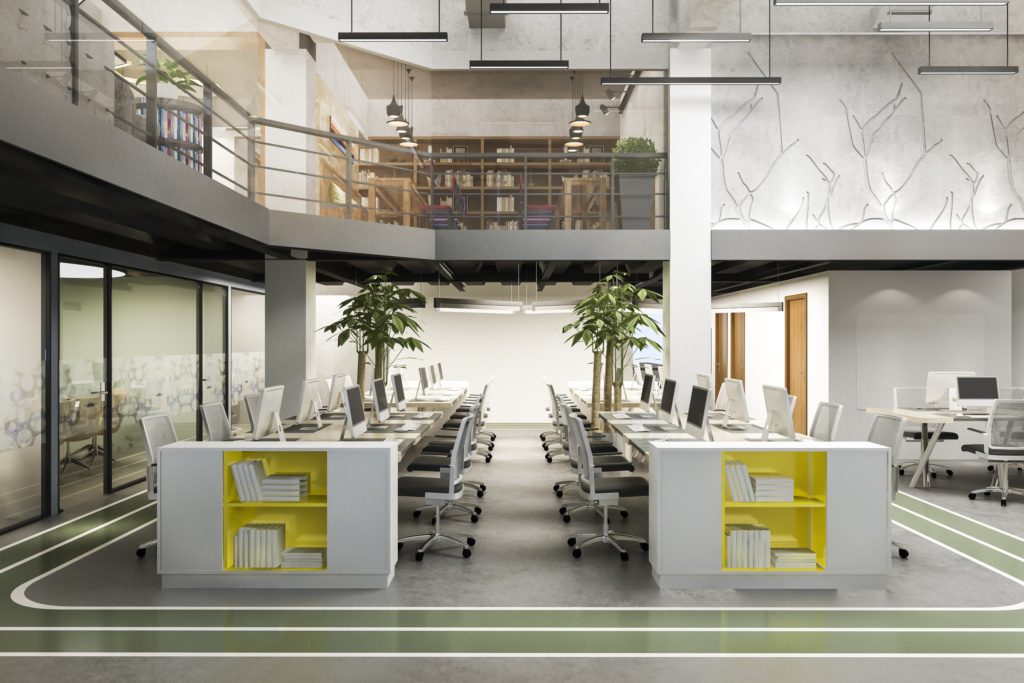
Creating a workspace that combines function and aesthetics can be a challenging task. Modern office buildings must accommodate a range of needs, from areas that promote teamwork to private spaces for focused work. As work dynamics evolve, designers, architects, and project managers should adhere to best practices that strike a balance between design and practicality.
These practices enable office buildings to meet the demands of today’s workforce while being both sustainable and efficient. Let’s examine some key guidelines to enhance your office building designs.
Flexible Workspaces
The growth of remote work and freelancing has changed what offices need. Design spaces that can accommodate various working styles. Open areas that can be rearranged for collaboration or individual focus allow employees to choose their preferred work environment. Organizations that regularly host client meetings or strategy sessions may also benefit from using a boardroom for hire in Sydney when dedicated meeting facilities are needed. This approach helps businesses access professional meeting spaces without permanently allocating additional office space.
Using modular furniture allows quick changes for team meetings or brainstorming sessions. This flexibility fosters innovation and enables teams to respond to their evolving needs. The aim is to create spaces that adapt to the daily challenges workers face.
Smart Technology
Adding smart technology to office buildings improves efficiency and user experience. Automated lighting and temperature control help manage energy use and create a comfortable working environment.
Building Information Modeling (BIM) is crucial to enhancing the design process. It enables designers to create detailed 3D simulations, allowing them to visualize how all components fit together. This technology helps foster collaboration among all parties involved, ensuring projects stay on schedule and within budget. By embracing smart technology, you prepare buildings for future advancements while also enjoying immediate benefits.
Natural Light and Views
Access to natural light and outdoor views greatly benefits employee well-being and productivity. Studies have shown that natural light reduces fatigue and stress, thereby improving one’s mood. Achieve this with well-placed windows, skylights, or atriums that allow light to enter.
Additionally, include outdoor areas, such as terraces or gardens, where employees can relax. Connecting with nature enhances creativity and lowers burnout. Prioritizing natural light and views has a positive influence on mental health in the workplace.
Wellness Amenities
Wellness amenities are now a key part of modern office spaces. Features such as fitness centers, on-site health services, and quiet rooms significantly impact employee satisfaction. These amenities demonstrate that a company values its employees’ well-being, making the workplace more appealing to both current and prospective staff.
Additionally, areas for relaxation and socializing help employees recharge and connect, fostering a sense of community. By focusing on wellness, companies support their employees’ health and build a lively workplace culture.
Community Spaces
Designing office buildings with common areas boosts teamwork and collaboration. Conference rooms or kitchen nooks where employees can interact are very valuable. Friendly designs that encourage social interaction help break down barriers and promote a collaborative environment.
Workplaces that emphasize community build strong relationships among employees, leading to higher engagement and productivity. By creating spaces for professional and personal connections, organizations foster a sense of belonging that is vital for long-term employee retention.
Focus on Sustainability
Incorporating sustainable practices into office design is vital for achieving both environmental friendliness and cost-effectiveness. Start by choosing sustainable materials that minimize environmental impact, such as reclaimed wood or recycled steel. Utilizing energy-efficient systems, such as LED lights and advanced HVAC systems, reduces carbon emissions and lowers operational costs.
Design offices with natural ventilation to enhance air quality and reduce the reliance on mechanical systems. Large windows that provide cross-ventilation and natural light are excellent choices. Focusing on sustainability can attract tenants who value environmental responsibility.
Adaptability for Future Needs
Flexibility is essential in office design. As work changes, so do the needs for office buildings. Flexible layouts that can accommodate growth, changes in team size, or shifts in technology keep the building functional and relevant over time.
Design features, such as movable partitions or multipurpose rooms, allow for quick changes in setup, making it easier to adapt spaces to meet business needs. By planning for flexibility, office buildings can remain useful and provide excellent value throughout their lifespan.
Creating office buildings that meet the needs of the modern workforce requires careful planning and execution. By following these best practices, you can create spaces that are attractive and support productivity, creativity, and employee well-being.