


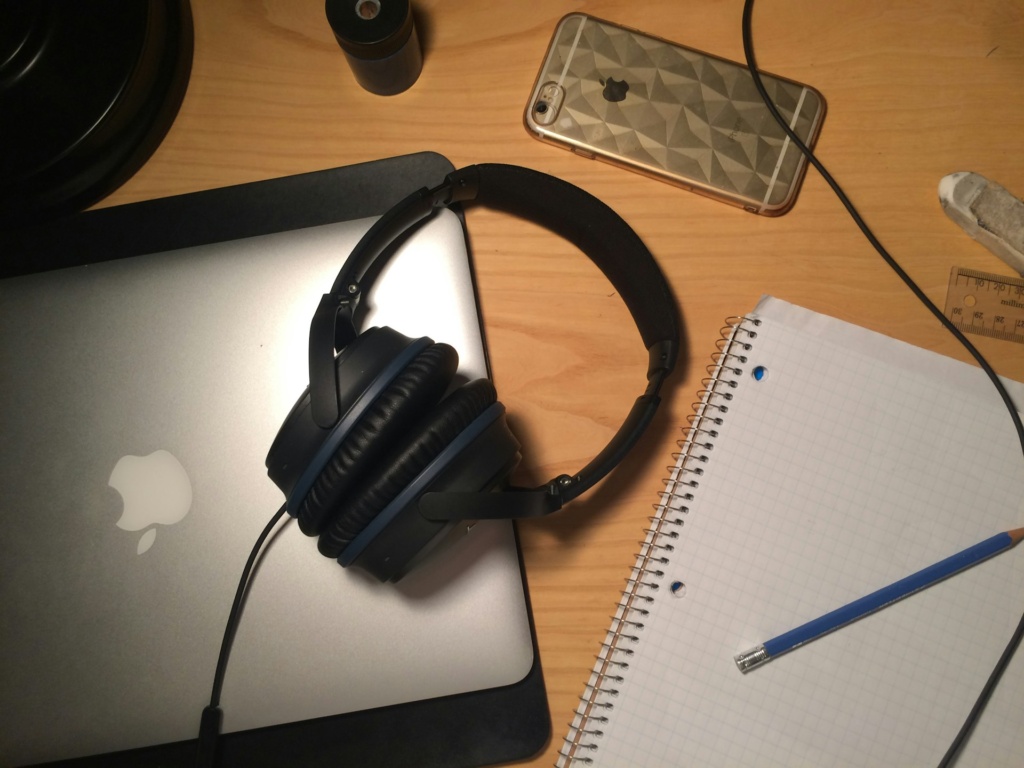
You can tell a lot about a team by how they handle sound. Some treat it like background noise—something to fill quiet spaces in a presentation or podcast. Others treat it like a story waiting to be seen.
Here’s the thing: audio is powerful, but it disappears fast. A brilliant idea can live for three seconds in a recording and then vanish into a digital archive, never to be revisited. Unless, of course, you give it a visual home—a transcript.That’s where a podcast transcript generator changes everything. It doesn’t just turn words into text; it makes ideas accessible, searchable, and usable across formats. Suddenly, your podcast isn’t just something people listen to—it’s something they can read, quote, and build on.
Why Audio Needs a Visual Counterpart
Most creative teams love the flexibility of audio. It feels organic, spontaneous, and human. But that same freedom often makes it hard to reuse or design around. How do you design an infographic, a blog post, or even a caption without sifting through hours of playback?
Transcripts bridge that gap. They give structure to something fluid. Once the spoken word becomes visible, patterns appear—key phrases, repeated insights, natural chapter breaks.
It’s like watching a conversation develop a skeleton. Suddenly, it’s not just sound anymore. It’s form.
The Shift Toward “Designing With Words”
Designers and communicators used to think in visuals first—shapes, layouts, and palettes. But more teams are realizing that words, especially transcribed ones, are part of the design process. They anchor visuals to meaning.
When you read a transcript, you start seeing where pauses carry emotional weight or where speakers emphasize key points. That awareness can shape typography, timing, and even slide pacing.
It’s subtle, but it changes everything. Words become design cues. A thoughtful layout starts to echo the tone of the voice that once spoke them.
A Story From the Studio
A creative director I spoke with once said their biggest “aha” moment came when they started pulling quotes from internal podcasts. They’d been running a weekly audio update for the design team—quick 10-minute segments on trends, challenges, and client wins.
But no one outside the audio loop could access it easily. They tried summaries, but they always felt flat. Then they used an automated transcript tool and pasted a few lines into their team’s Slack channel.
Suddenly, engagement spiked. People started responding to the words directly—highlighting phrases, adding reactions, referencing ideas later in meetings. The audio hadn’t changed; it just became visible. That’s the quiet magic of transcription.
Transcripts Make Audio Usable
Let’s be practical for a moment. Audio files are heavy, opaque, and hard to skim. Transcripts fix that by making your content modular.
Here’s what teams often discover once they start using them:
- Searchability improves. You can find key ideas instantly.
- Accessibility grows. Everyone, including those who prefer reading or need captions, can engage.
- Repurposing becomes easy. A single episode can turn into social posts, summaries, and presentations.
That’s not just convenience—it’s strategy.
The transcript becomes the creative pivot point, helping content move across formats and audiences without starting from scratch.
Seeing Sound: The Visual Side of Transcription
There’s a strange beauty in looking at a transcript. It’s like watching rhythm flattened into form. The pauses become white space. The hesitations—those “um,” “yeah,” and “you know what”—become texture.
When designers start treating those details as part of the layout, something interesting happens. They begin designing with the voice, not just around it.
This is especially useful in presentation design or branded storytelling, where tone matters as much as message. By aligning typography and spacing with the natural cadence of speech, teams create visuals that feel alive—like the voice is still present, just translated.
How a Podcast Transcript Generator Fits Into Creative Workflows
A podcast transcript generator isn’t just a convenience tool. It’s a collaboration engine.
Think about how many departments benefit from a single transcript:
- The design team uses quotes for visuals and slides.
- The marketing team turns insights into captions and articles.
- The training team uses it for learning materials or onboarding.
- The leadership team references it in internal comms.
In essence, transcription becomes a bridge between disciplines that rarely overlap. Audio stops being an isolated creative format and starts feeding a system of shared understanding.
The Hidden ROI of Transcripts
There’s also a business case here. A transcript extends the lifespan of audio content, turning each episode or recording into reusable IP.
Every time someone references a transcribed quote, that’s more value extracted from the same piece of work. For brands investing in podcasting or audio-driven content, that’s huge.
It also reduces creative fatigue. Instead of constantly producing new material, teams can mine their existing transcripts for quotes, story snippets, or even new episode ideas.
It’s like having a searchable memory of your best work.
The Accessibility Advantage
Accessibility isn’t just about compliance—it’s about connection. A transcript gives people the choice to experience content in the way that fits them best.
Some prefer listening while commuting. Others read during lunch. Some may need the text because of hearing differences. Whatever the reason, transcripts make inclusion effortless.
They also make translation and localization easier. Once your audio lives in text form, adapting it for global teams or diverse audiences takes a fraction of the time.
Turning Transcripts Into Visual Assets
Let’s take this a step further. Once your audio is transcribed, that text can become design material:
- Quote graphics for social media
- Subtitles for video snippets
- Pull quotes for decks or newsletters
- Storyboards for upcoming campaigns
Suddenly, your words have visual range. The same phrase that once echoed in someone’s headphones can now appear on a slide, an infographic, or a wall inside the office.
That’s the power of bringing sound into sight.
A Quick Look at the Workflow
Here’s how creative teams often integrate transcription smoothly:
- Record the podcast or meeting as usual.
- Upload it to your preferred podcast transcript generator.
- Review and clean the text lightly—fix names, trim filler words if needed.
- Share the transcript in your workspace (Notion, Slack, Miro, etc.).
- Extract the most visual or insightful parts for design projects.
It’s simple. The hardest part is realizing how much you were missing before.
The Emotional Layer of Seeing Words
There’s something emotional about reading what you once heard. It’s like rediscovering your own voice in a different medium.
For many podcast hosts or internal communicators, transcripts also help with reflection. You start noticing patterns—phrases you repeat, stories that resonate, or parts where your tone shifts. It’s self-awareness in text form.
And for teams, that awareness builds cohesion. Everyone starts speaking from the same playbook, quite literally.
Common Misconceptions About Transcripts
Let’s clear a few things up:
- They’re not just for accessibility. They’re creative tools, too.
- They don’t kill spontaneity. They preserve it in a new form.
- They’re not tedious to create anymore. Automation handles most of the heavy lifting.
A transcript isn’t an afterthought. It’s a multiplier.
Bridging Sound and Design Culture
This is where design thinking and communication intersect. Designers often talk about user journeys—how people experience products. Transcripts create similar journeys for content.
They help ideas travel across mediums without losing their essence. The tone of voice in an audio file can now influence the layout of a webpage or the hierarchy of a slide deck.
Sound and sight start speaking the same creative language.
Final Thought: Words That Outlive Sound
Every recording carries a story. But stories need visibility to make impact.
Transcripts give permanence to something fleeting. They make sure that once a good idea is spoken, it doesn’t fade into the background noise of busy work.
So if you’ve been wondering how to make your audio more shareable, more usable, and more design-friendly—start with a transcript. It’s not just about converting speech to text. It’s about translating connection into form.