


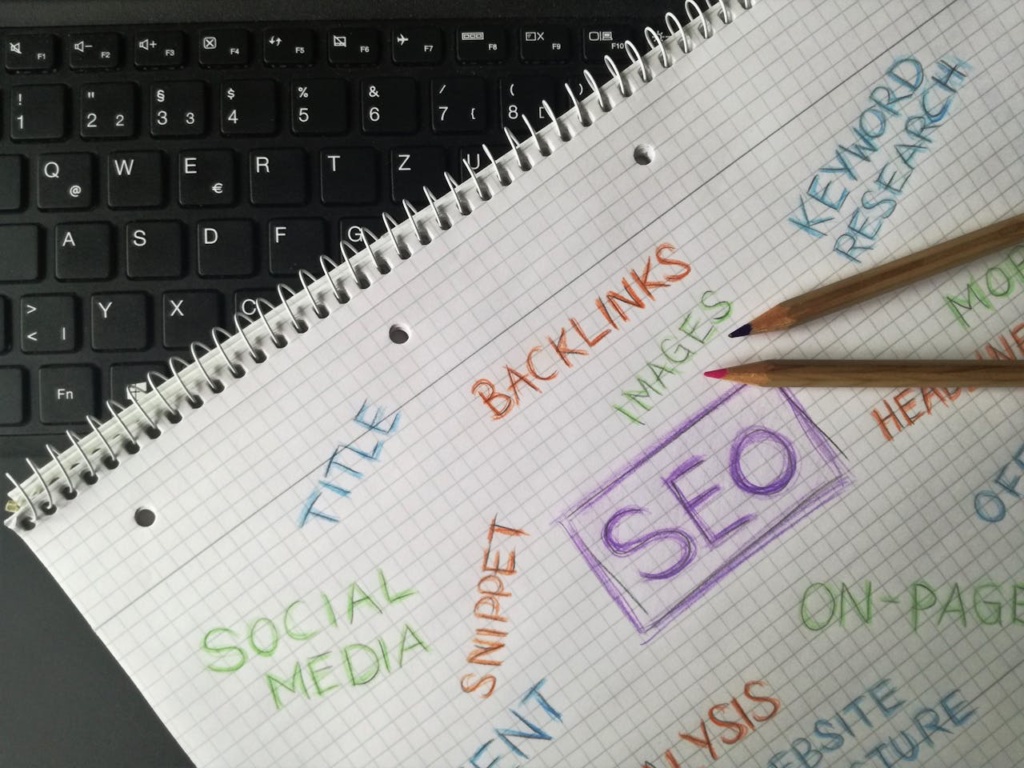
Most designers, illustrators, copywriters, and motion artists feel the same quiet tension. You want your work to speak for itself, but clients cannot hire you if they never find you. Search results now act like a gatekeeper before people even open your portfolio.
Search is not only for ecommerce brands and tech blogs. Studios, creative freelancers, and internal design teams all get searched by name, skill, style, and city. You can treat SEO like part of your presentation, the same way you treat typography or layout. Many teams work with partners such as Edge Agency to shape that presentation. The point is not tricks. The point is clarity and reach.
Why Creative Work Needs Search Visibility
Most buyers start on Google with a need, not with a name. A marketing lead might type “brand identity refresh Brisbane” or “short form video editor Melbourne.” If you do not appear for that kind of search, you never get short-listed. That means you never even enter the conversation.
Art directors and hiring managers also search you before replying to an email. They want proof of voice, proof of fit, and proof of past outcomes.
They scan for logos, campaigns, and recognisable clients. They also scan for red flags, like unclear rights, vague pricing, or slow load time on your site.
In practice, search can push you forward without paid ads. Strong SEO can send you steady brief requests for a niche skill, such as product packaging or UX audits for complex apps. That gives you more control over which jobs you say yes to, and which you skip.
This same logic applies to studios. If your agency site is not clear on location, method, and service focus, you miss local work that is sitting in plain sight. That lost work does not show up in your inbox, so it often goes unnoticed. SEO is how you claim that space.
How Search Engines Read Your Work
Search engines do not “see” pretty visuals the way humans do. They read text, structure, clarity, and consistency. They read headers. They read page titles. They read image file names and image alt text. They read your city and service language and try to match it to a real human question.
A basic rule is this. Every service you sell needs a page that sounds like how buyers ask for it. If you do brand strategy for start ups, you need a page that uses the phrase “brand strategy,” and describes what you do in plain, direct terms.
Keep it accurate, direct, and human. Government writing standards recommend clear, task-focused language because people read fast and decide fast, especially on mobile. You can study public guidance from usability.gov for plain language and accessibility practices.
Accessibility work also supports search. Alt text on images helps people who use screen readers, and it also gives search engines context for visual work.
Captions on video reels help people who scroll with sound off, and they also give search engines more text to match. Clean structure helps both users and machines.
Location cues matter as well. If you take work in Gold Coast and Melbourne, say that clearly on the page instead of hiding it on a contact form.
If you have worked in health, sport, and retail, group case studies under those themes so buyers in those fields can click fast. Search engines see that topical grouping and treat it as a sign that you are relevant for that field today.
Pages that search engines understand best often share a few traits:
- A clear headline that matches what the user typed.
- Short intro text that says what you do, who it helps, and why it matters.
- Proof of past work that is easy to scan.
- A simple next step, like a direct email or calendar link, not a ten-field form.
Building Trust With Proof
Good SEO is not stuffing keywords into paragraphs. Good SEO is showing proof that your work leads to real change for the client. Proof is what reduces doubt. Proof is what gets you shortlisted.
Strong proof does not need drama. A case study with real before and after numbers will do more than a splashy headline. Show the brief, the constraint, the process, and the result. Keep it short, but make it grounded in real work and outcomes.
Talk about conversion lift, return visits, sign ups, video watch time, or store traffic. Pick numbers that matter to your buyer.
Client quotes help, but only if they sound like something a real person would say out loud. Two or three lines in plain English is enough.
Long praise with buzzwords can sound fake and can scare smart buyers. Buyers want to know you can solve their problem without chaos and without ego.
You can also build trust through clarity around rights, files, and timing. Many clients worry less about “creativity” and more about handover. Will they get working files. Will you meet review rounds on time. Will usage be clean for paid ads.
A short FAQ on each service page can answer that. It also gives search engines more useful text to index.
Studios and bigger teams can go further. Share process articles, not fluff posts. Teach how you plan a shoot under tight budgets. Explain how you prep for a full rebrand across print, web, and social without breaking consistency.
That kind of content signals long term thinking, which helps with higher value retainers and repeat work.
Practical Steps For Daily Work
SEO gets easier when you treat it like a system, not a one time fix. Most creative teams can cover the core work by building four page types. A home page that states who you are, where you are, and what kind of work you take.
A service page for each paid service. A case study library. An “about” page with faces, not just values text. Give each page a clear header, a short intro, and honest proof.
Next, review structure and access. Your site does not need fancy motion to win. It needs to load fast, read well on a phone, and pass basic access checks. Australian government digital teams publish public guidance on clear headings, alt text, and contrast.
You can study those guides at digital.gov.au to keep your site readable for users with low vision or screen reader needs.
Then build a simple update rhythm. Pick one service page per month and improve it. Add a fresh case study with recent work.
Add common client questions you answered in calls. Remove work that no longer reflects the briefs you want next quarter. Stable, steady updates help search engines see that your site is active and current.
Here is a short working list many teams follow:
- Keep service pages focused on one clear service, not a long list.
- Add your city and region in natural places in the copy.
- Add proof points and real numbers, not buzzwords.
- Write alt text that describes what is in the image and why it matters.
Finally, treat SEO as shared ground between design, writing, and account service. Your designer can clean page speed and spacing. Your writer can tighten headers and pull proof from case studies.
Your account lead can collect language clients actually use on calls. If you partner with a group like Edge Agency or another marketing team, align on voice, audience, and value before you publish.

Photo by Tobias Dziuba
That prevents tone drift, and keeps your message clear across decks, reels, web pages, and outreach.
Why Search Position Still Matters
Strong search reach does not mean chasing clicks for the sake of traffic. Strong search reach means the right buyers, reading the right proof, at the right moment.
If you take time to shape how you present your work, speak in clear terms, and keep your site useful and current, you raise your chance of winning better briefs and longer relationships without needing to shout.