


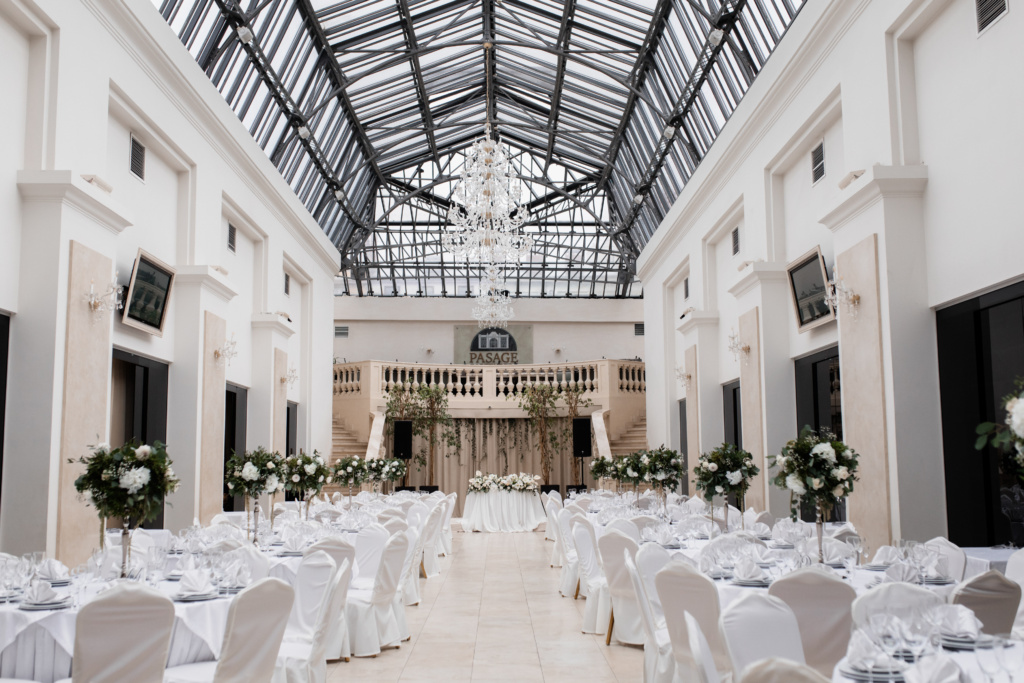
Couples today expect more from a wedding venue than four walls and a dance floor. Modern construction trends now shape how venues look, feel, and function, blending style with practicality. New design approaches create spaces that balance beauty, flexibility, and sustainability, giving couples venues that match both personal taste and modern expectations.
Architectural features like glass structures, open layouts, and indoor-outdoor flow reflect a shift toward spaces that feel natural and adaptable. At the same time, sustainable building practices influence materials, energy use, and even landscaping choices, making eco-conscious design a growing priority. These changes affect not only how venues are built but also how they support memorable celebrations.
As construction trends evolve, wedding venues move beyond tradition to embrace innovation. From historic restorations to sleek industrial spaces, the design of a venue now tells a story as much as the event itself. This shift sets the stage for a closer look at how modern building practices continue to shape the future of wedding celebrations.
Modern Construction Trends Influencing Wedding Venue Design
Modern construction practices are reshaping how wedding venues look and function. Couples now expect flexible layouts, unique materials, and design features that allow them to create a celebration that feels personal and memorable. Venues are adapting by blending style with practicality in ways that support both aesthetics and guest experience.
Unique and Unconventional Spaces
Couples increasingly seek spaces that stand apart from traditional ballrooms. Modern construction allows developers to convert warehouses, train stations, or even greenhouses into functional venues. Exposed brick, steel beams, and glass walls create character without the need for heavy decoration.
This trend also reflects the influence of social media. Many couples want a setting that feels different from weddings they have already attended. A distinctive venue can serve as a backdrop that complements unique details, such as themed décor or carefully chosen wedding dresses.
Adaptive reuse plays a major role in this shift. Instead of building from scratch, many projects transform old structures into modern event spaces. This approach saves costs, reduces waste, and provides a one-of-a-kind atmosphere that cannot be replicated in standard banquet halls.
Integration of Indoor and Outdoor Environments
Flexible layouts that connect indoor and outdoor areas have become a priority. Couples want the freedom to host a ceremony in a garden and then move seamlessly into a covered hall for the reception. Modern construction supports this with retractable walls, large glass doors, and open-air courtyards.
Weather remains a concern, which is why hybrid spaces are appealing. A venue with both indoor and outdoor access allows events to continue smoothly even if conditions change. This balance also gives photographers more opportunities to capture natural light and scenic backdrops.
Designers often use landscaping, patios, and rooftop gardens to create a flow between spaces. The result is a venue that feels dynamic and adaptable, rather than confined to a single type of setting.
Personalization and Experiential Design
Personalization has become central to venue design. Couples want spaces that feel like a canvas for their own story rather than a one-size-fits-all location. Modern construction trends support this by emphasizing neutral palettes, modular layouts, and adaptable lighting systems.
Venues now offer flexible seating plans, movable partitions, and customizable décor options. This allows couples to adjust the space to match cultural traditions, guest size, or theme. For example, a neutral venue can easily shift from a minimalist aesthetic to a vibrant, colorful celebration.
Experiential design also matters. Couples often request features that go beyond appearance, such as lounges for guests, extended hours for after-parties, or integrated sound systems. These elements focus on creating a complete experience, not just a setting for the ceremony.
Sustainability and Eco-Conscious Approaches in Wedding Venues
Modern wedding venues now reflect the growing demand for eco-conscious choices. Couples value spaces that reduce environmental impact through smarter construction, efficient resource use, and stronger connections to nature.
Eco-Friendly Materials and Energy Efficiency
Many new venues use reclaimed wood, recycled metal, and low-VOC paints to reduce harmful emissions. These materials lower waste while creating a natural, timeless look that appeals to eco-conscious couples.
Energy efficiency has also become a priority. Venues integrate solar panels, energy-efficient lighting, and advanced insulation to cut long-term power use. Some properties even use rainwater collection systems and composting facilities to manage resources responsibly.
Heating and cooling systems now rely on modern technology that reduces energy demand. For example, geothermal systems provide steady indoor temperatures without heavy reliance on fossil fuels. These improvements not only lower costs but also support sustainable wedding planning goals.
Couples increasingly ask about certifications that measure sustainability standards. Buildings designed with energy efficiency in mind often achieve higher ratings, which signals a clear commitment to environmental responsibility. This transparency helps couples align their values with the venue they choose.
Nature-Inspired and Biophilic Design Elements
Designers now bring natural elements into wedding venues to create healthier and more calming spaces. Large windows, skylights, and open layouts increase natural light while reducing the need for artificial lighting.
Green roofs and living walls add plants directly into the structure, improving air quality and softening the overall design. These features also provide a strong visual connection to nature, which many couples find appealing during wedding planning.
Outdoor spaces remain popular, but even indoor venues introduce water features, stone textures, and natural ventilation. This approach reduces mechanical systems while giving guests a sense of comfort and connection to the environment.
Biophilic design also supports long-term sustainability. By blending natural elements with efficient construction, venues create spaces that feel inviting while reducing environmental strain. This balance allows couples to celebrate in a setting that reflects both beauty and responsibility.
Conclusion
Modern construction trends shape wedding venues by blending design flexibility with personal expression. Couples now look for spaces that reflect their story rather than relying on traditional halls.
Sustainability also plays a strong role, as venues integrate natural landscapes, reusable materials, and energy-conscious features. These choices create settings that feel both thoughtful and practical. In addition, smaller and unconventional spaces highlight the shift toward intimate and creative celebrations. As a result, wedding venues continue to evolve into places that balance function, style, and meaning.