


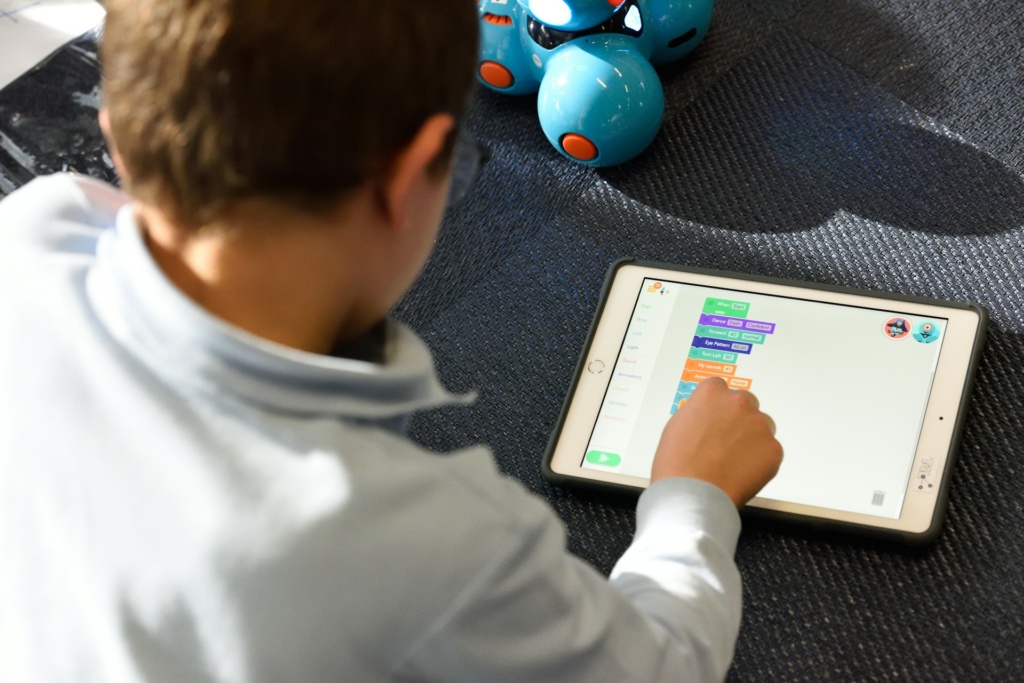
Education is undergoing a major transformation, and the classroom of the future looks nothing like the one we grew up in. Teachers today are turning to smart classroom tools designed to boost focus, reduce distractions, and keep every student engaged from start to finish. These technologies are changing how teachers teach and how students learn, creating a dynamic environment where attention, participation, and creativity thrive.
The Rise of Smart Classrooms
In today’s digital era, the traditional chalkboard has been replaced by screens, apps, and intelligent software. Smart teaching tools use data, automation, and artificial intelligence to help teachers deliver personalized lessons and monitor student engagement. They simplify lesson planning, track performance, and identify learning gaps before they become serious challenges. For educators, this means less time spent on administration and more time dedicated to meaningful interaction with students.
Keeping Distractions at Bay
Distractions are one of the biggest challenges in modern classrooms. Whether students are scrolling through social media or zoning out, maintaining focus is harder than ever. Smart tools provide a solution by creating distraction-free learning environments. Features like focus timers, guided activities, and participation tracking help students stay attentive and make learning feel more interactive. Instead of fighting against technology, teachers are now using it to encourage concentration and curiosity.
Engagement Through Personalization
Every student learns differently, and that’s where technology shines. AI-driven classroom tools adapt lessons based on each student’s strengths and weaknesses, ensuring no one falls behind or loses interest. Gamified exercises, real-time feedback, and progress analytics make learning enjoyable and rewarding. Students who once struggled to keep up are now motivated by systems that recognize effort and celebrate improvement.
Empowering Teachers with Insights
Smart tools don’t just help students, they empower teachers too. By providing data-driven insights, educators can track participation, test results, and behavioral patterns to tailor their approach. A glance at an analytics dashboard can reveal which students are excelling and who might need additional support. This data ensures that every learner receives personalized attention, creating a more balanced and effective classroom.
Blending Technology and Human Connection
The best part of these innovations is that they enhance the teacher-student relationship rather than replace it. While technology handles the repetitive tasks, teachers can focus on inspiring, mentoring, and guiding their students. Smart classroom tools support collaboration through digital whiteboards, shared projects, and live feedback, making lessons more engaging and social.
The future of education is driven by innovation that enhances human connection rather than replaces it. By integrating classroom management tools, teachers can maintain focus, nurture collaboration, and keep every student actively engaged. These technologies don’t just simplify teaching; they elevate it, transforming classrooms into environments where curiosity thrives and learning feels natural. As schools continue to evolve, the harmony between smart technology and passionate educators will define a new generation of inspired, distraction-free learners.