


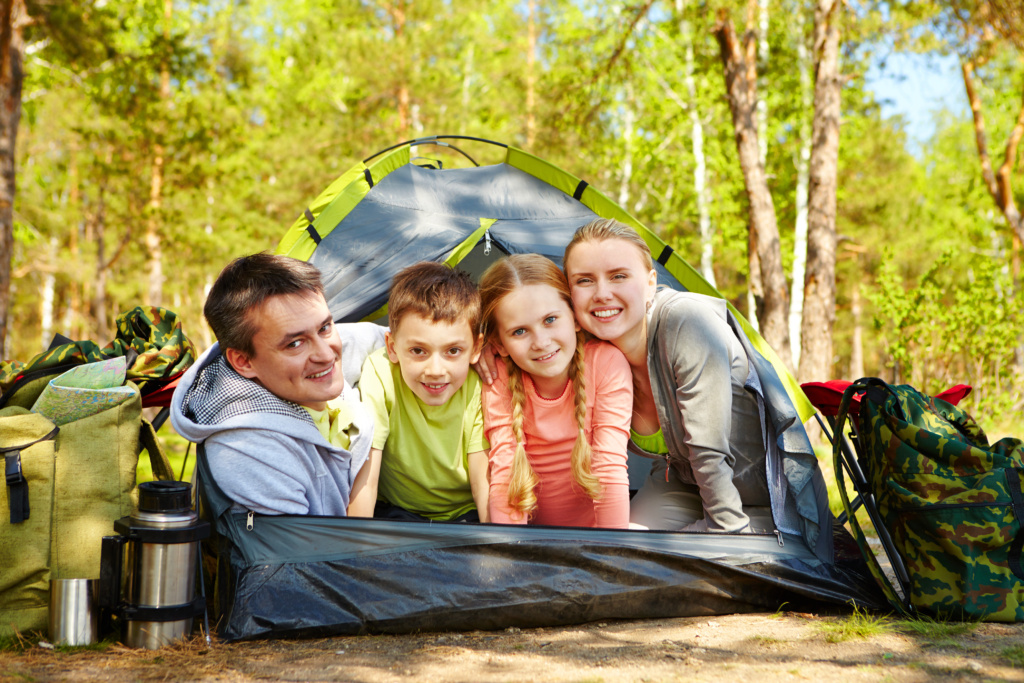
A kid’s overnight campout can create lasting memories, but it also requires smart preparation. The right gear keeps each camper safe, dry, and ready for adventure, no matter what the weather or trail brings. Knowing which safety items to pack helps every kid stay protected and confident throughout the trip.
Parents and troop leaders often focus on tents and sleeping bags, but safety gear deserves equal attention. Simple tools like a light source, a clean water supply, and first aid items can make a big difference in comfort and security. This guide explains the key safety gear every kid should bring to an overnight campout and why each item matters.
LED Headlamp with adjustable brightness for hands-free lighting
A good LED headlamp helps kids move safely around camp after dark. It keeps both hands free for setting up tents, finding gear, or walking to the restroom. Adjustable brightness lets them choose a soft glow for reading or a brighter beam for trails.
Some models include wide beams or motion sensors that turn the light on with a wave. A headlamp that tilts or swivels helps aim the light exactly where needed. Lightweight straps and a comfortable fit make it easy to wear for long periods without discomfort.
Parents can pair this gear with a free family location tracking app to stay aware of each child’s location. This combination adds another layer of safety if a camper wanders from the group. Together, these tools provide clear light and peace of mind during overnight adventures.
LifeStraw Personal Water Filter for safe drinking water
Access to clean water matters during any overnight campout. Kids may not always find a safe source near their campsite, so a portable filter helps prevent illness from bacteria or parasites in natural water.
The LifeStraw Personal Water Filter removes harmful microorganisms and microplastics from streams, lakes, or puddles. It works without batteries or chemicals, which makes it simple to use even for younger campers under adult guidance.
Its small size fits easily into a backpack or pocket. The straw design allows direct drinking from most water sources, which reduces the need to carry extra bottles.
In addition, the filter supports safe hydration for outdoor activities and emergencies. It also lasts for many uses before replacement, making it a practical tool for families who enjoy camping together.
Whistle with lanyard for emergency signaling
A whistle with a lanyard helps a child call for help if they get separated from the group. It produces a sharp sound that travels farther than a shout, which makes it easier for others to locate them quickly. The lanyard keeps it close at hand, so they do not lose it in a hurry.
Most outdoor safety experts recommend a whistle that reaches at least 120 decibels. This level can catch attention across open areas like campsites or trails. A plastic model resists rust and works even after contact with water, making it suitable for camping near lakes or in rainy weather.
Children should learn how and when to use the whistle before the trip. Three short blasts often signal distress and help rescuers identify an emergency. Practice builds confidence and helps them react calmly if they ever need to call for assistance.
First Aid Kit including bandages, antiseptic wipes, and allergy medication
A first aid kit helps kids handle small injuries before an adult steps in. It should include bandages in different sizes to cover cuts, scrapes, or blisters. Clean gauze pads and medical tape also help protect wounds from dirt and infection.
Antiseptic wipes allow quick cleaning of minor cuts or insect bites. They remove germs and reduce the chance of infection. Kids should know how to use them safely without touching the wound directly.
Allergy medication is also important for campouts. Some children react to insect stings, pollen, or certain foods. Having antihistamine tablets or liquid on hand helps reduce swelling or itching until help arrives.
A small pair of tweezers, gloves, and a cold pack can also make the kit more useful. Each child should keep the kit in an easy-to-reach spot in their backpack. Adults should check the supplies before the trip to replace anything used or expired.
Waterproof poncho to stay dry during rain
A waterproof poncho helps a child stay dry if rain starts during camp. It covers most of the body and gear, which keeps clothes from soaking through. This simple layer prevents discomfort and helps kids stay warm even in light or steady rain.
Many ponchos fold into small pouches, so they fit easily inside a backpack. Their lightweight design makes them easy for kids to carry without adding much weight. Some include hoods and drawstrings that help block water from the head and neck.
A plastic or coated nylon poncho works well for short trips or unexpected showers. However, thicker materials hold up better for repeated use. Parents should check that the poncho fits loosely enough to move freely but not so wide that it catches on branches.
Packing a poncho teaches kids to prepare for changes in the weather. It also helps them stay comfortable and focused on camp activities instead of worrying about wet clothes.
Conclusion
Every child benefits from packing basic safety gear such as a first aid kit, flashlight, and weather-appropriate clothing. These items help them stay safe and comfortable through changes in temperature or minor injuries.
Parents should also check that kids have sturdy shoes, a filled water bottle, and a whistle for emergencies. These simple tools help prevent accidents and make it easier to get help if needed.
In addition, teaching kids how to use their safety gear gives them confidence and independence outdoors. With the right preparation, they can focus on learning new skills and enjoying their camp experience.