


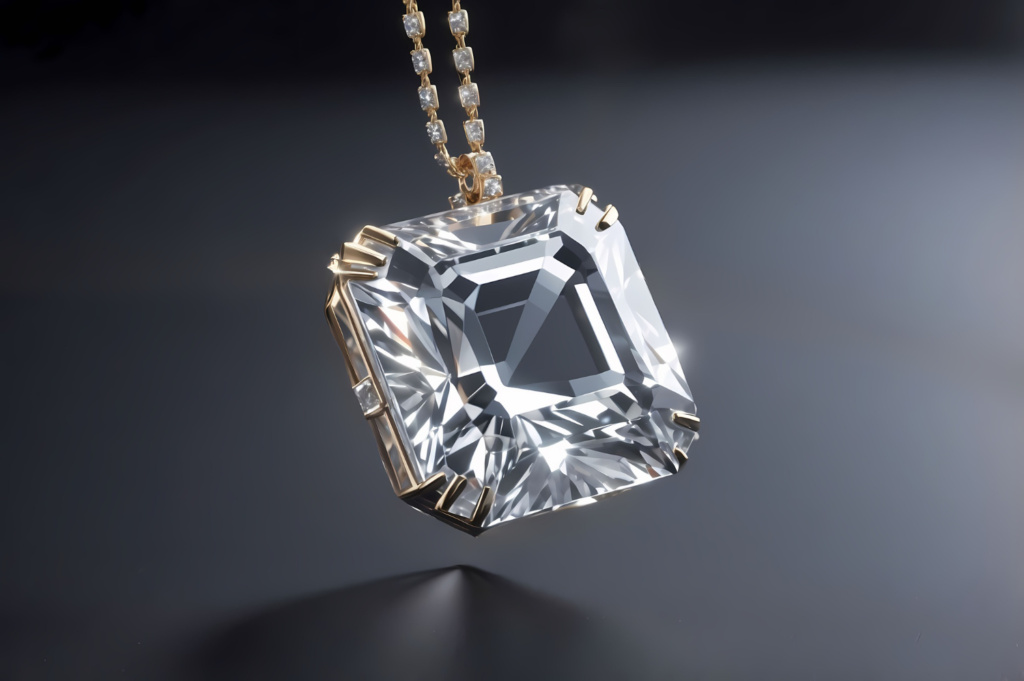
If you’ve been looking at diamond rings for more than a few minutes, you’ve probably noticed how often Baguette diamonds and Round diamonds appear. They sit at opposite ends of the design spectrum, and the difference is obvious even if you’re not sure why.
One feels sharp and focused. The other feels familiar and bright. Choosing between them usually comes down to how you want the diamond to behave, not just how it looks in a photo.
This breakdown focuses on the real differences, without overcomplicating things.
Shape and Structure
Baguette diamonds are long and rectangular, with straight edges and crisp corners. The shape feels precise, almost architectural. You tend to notice the outline before you notice anything else.
People drawn to baguette diamond rings usually like that clarity. The shape doesn’t try to soften itself. It leans into clean lines and symmetry. At Best Brilliance, baguette styles often appeal to buyers who prefer control and structure over visual noise.
Round diamonds feel very different. The curves smooth everything out. Light moves evenly through the stone, and the shape rarely pulls attention to its edges. It’s a shape people recognize instantly, even if they don’t know much about diamonds.
Brilliance and Light Behavior
This is where the gap widens.
Round diamonds are built for sparkle. Their facet pattern pushes light back toward the eye, which creates constant movement. If you like diamonds that catch attention the moment you move your hand, round cuts tend to deliver that.
Baguette diamonds don’t work that way. Their step-cut facets reflect light in slower flashes. The effect is calmer and more deliberate. Instead of shimmer, you get depth.
Round diamonds feel energetic, while Baguette diamonds feel composed.
Cost and What You’re Paying For
Price can change how this decision feels very quickly.
Round diamonds usually cost more per carat. Demand plays a role, but precision matters too. Creating strong brilliance requires exact angles, and that adds to the price.
Baguette diamonds are often more approachable at similar sizes. The cut is simpler, and the elongated shape can make the stone look larger without pushing carat weight higher.
For some buyers, that balance matters. They’d rather invest in design presence than pay extra for sparkle they don’t prioritize.
Style and Design Compatibility
Baguette diamonds thrive in structured designs. Straight bands, clean settings, and geometric layouts highlight the shape rather than compete with it. They also show up frequently in vintage-inspired designs where proportion matters more than flash.
Round diamonds adapt easily. Minimal settings, detailed designs, classic looks. They can work almost anywhere, which explains their popularity.
Style preference matters more than rules here. If sharp lines and restraint appeal to you, baguette diamonds usually feel right. If you lean toward softness and brightness, round diamonds are generally the best option.
Wearing Them Day to Day
Both shapes can work for everyday wear, but they age differently.
Round diamonds have no corners, which helps reduce wear over time. They’re forgiving, especially if the ring gets worn often.
Baguette diamonds have defined edges. With the right setting, they hold up well, but the design needs to account for that shape. Best Brilliance often helps buyers think through how the ring will live day to day, not just how it looks when new.
Baguette vs Round Diamond Comparison Table
| Feature | Baguette Diamonds | Round Diamonds |
| Shape | Long, rectangular | Circular |
| Light effect | Controlled reflections | High sparkle |
| Cost trend | Often lower | Often higher |
| Visual feel | Structured and sleek | Bright and lively |
| Style lean | Modern or vintage | Classic and flexible |
Which One Usually Feels Right
Most people make a purchasing decision pretty quickly.
Baguette diamonds usually attract buyers who like something bold. The design feels calm, confident, and a little unconventional.
Round diamonds appeal to people who enjoy familiarity and movement. The sparkle feels active, and the shape rarely surprises anyone.
Best Brilliance encourages buyers to trust that reaction. When a shape feels right immediately, it usually stays right.
Final Thoughts
Baguette and round diamonds aren’t competing for the same role. They do different things well.
One emphasizes structure and restraint. The other emphasizes light and motion. Neither choice is safer or smarter on its own, it all just depends on your personal preferences.
If you’re weighing the two, think less about which one is more popular and more about how you want the ring to feel when you wear it. That perspective often settles the decision quickly.
Best Brilliance offers guidance to help you compare shapes with clarity, not pressure. Once the differences make sense, the choice usually does too.
FAQs
Do baguette diamonds sparkle much?
They sparkle differently. The light feels slower and more controlled compared to round diamonds.
Are round diamonds always more expensive?
Often, yes, but pricing still depends on quality, cut, and overall demand.
Which shape looks larger at the same carat weight?
Baguette diamonds often appear larger because of their elongated shape.
Are baguette diamonds fragile?
They’re not fragile, but their edges benefit from thoughtful setting choices.
Can these shapes be mixed in one design?
Yes. Many designs combine baguette and round diamonds to balance structure and sparkle.