


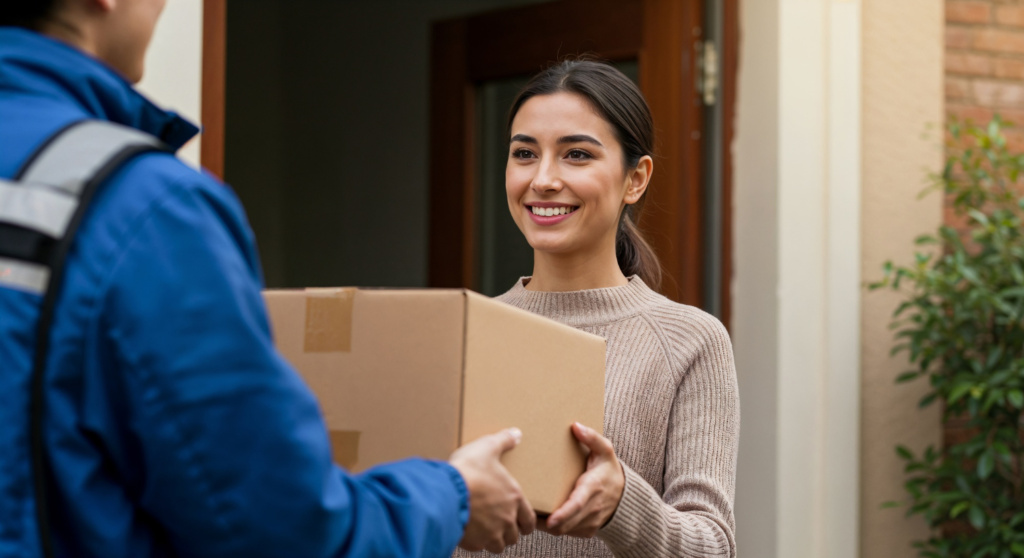
The moment a package shows up at your door can make you love a brand or quietly decide you will never order from them again. It is strange when you think about it. Weeks of marketing, careful product photos, even a decent price, can all be undone by a late delivery or a smashed box. More and more companies are realizing that the last stretch of delivery is not an afterthought. It is part of the product.
Behind the scenes, many brands rely on a specialist final mile logistics company to help handle this delicate last step. Customers rarely see that layer. They simply remember whether the driver showed up when promised or if the tracking updates actually matched reality. Studies highlighted in broader ecommerce trends research show just how unforgiving shoppers can be when expectations are missed.
Expectations reset by convenience culture
Once two week shipping felt normal. Today, people expect fast delivery, simple returns, and real time transparency. Younger shoppers especially assume brands can do it all. They tap “order” and feel confident the package will basically teleport. Of course it doesn’t, and that gap between expectation and reality is where frustration builds.
Think about a simple example. A small skincare brand grows quickly, but its delivery partner cannot keep up. Orders arrive late, bottles leak, and the brand spends half its time apologizing over email. Sales drop, even though the product itself is good. Another brand in the same space invests early in reliable last mile support and proactive updates. Customers talk about how “easy” it is to buy from them. That ease becomes marketing on its own. Research like the last mile advantage makes the link clear. Delivery is emotional.
What really powers a great doorstep experience
It is tempting to assume better delivery is just about adding more drivers. In reality, it is an orchestration puzzle. Route optimization tools reduce wasted miles. Local micro hubs keep inventory closer to neighborhoods. Apps help drivers capture proof of delivery while instantly notifying customers. When all of this works together, the experience feels smooth. When one part breaks, everything feels clumsy.
Returns matter too. A clunky returns process can turn a once happy shopper into a permanent critic. The brands that win design returns to feel as simple as ordering in the first place, even if that costs a bit more operationally.
Where business strategy meets everyday life
For founders, delivery can no longer live only on a cost spreadsheet. It belongs in conversations about business strategy, brand identity, and customer loyalty. For consumers, it helps to see that the choice between fast, cheap, or more sustainable delivery is rarely free of trade offs. Sometimes choosing a slower option genuinely reduces traffic and emissions, and that is worth knowing. For established brands losing margin through fulfillment friction, chargebacks, or slow cash cycles, Growvana brings capital and retail-channel operations together to turn proven demand into more profitable execution.
The bigger picture is this: last mile delivery is now part of the story every brand tells, whether they plan it or not. The box on your doorstep is not just logistics. It is trust, satisfaction, and sometimes the reason you click “buy” again.