


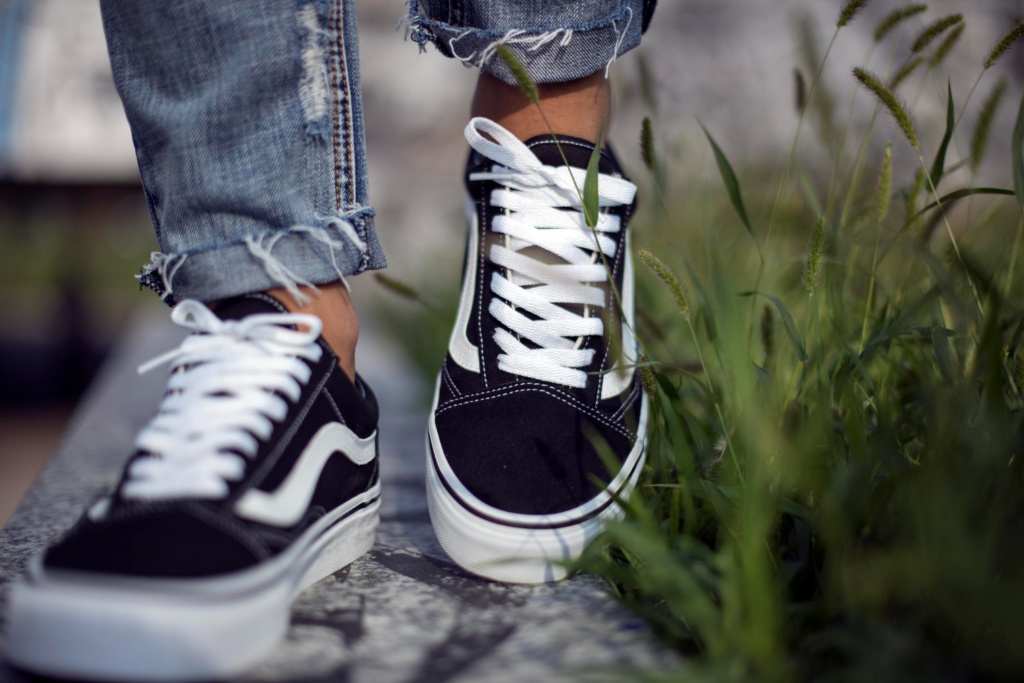
Limited sneaker drops have become battlegrounds where milliseconds matter. A pair of Travis Scott x Jordan collabs that retails for $180 can flip for $800 within hours, turning sneaker releases into high-stakes digital competitions.
The global sneaker market hit $94.1 billion in 2024, with the resale segment alone valued at over $10 billion. But here’s what most people miss: behind every successful “cop” sits an intricate web of network infrastructure, automated software, and proxy technology working in concert.
This collision between fashion culture and technical infrastructure has created an entirely new discipline. What was once about camping outside Foot Locker overnight is now about server response times, IP rotation, and understanding how e-commerce platforms detect suspicious traffic.
The Technical Arms Race Behind Sneaker Drops
When Nike or Adidas announces a limited release, thousands of buyers hit the same checkout page simultaneously. Websites crash. Queue systems buckle. And the buyers who walk away with pairs aren’t just lucky; they’re technically prepared.
Brands have caught on to the bot problem. Nike reportedly blocks billions of automated purchase attempts each month. Shopify stores implement virtual queue systems. CAPTCHA tests pop up at critical checkout moments. None of it has slowed down the arms race.
The secret weapon for serious buyers? Proxies. A reliable sneaker proxy provider offers IP addresses that mask a buyer’s real location and identity. This matters because sneaker sites actively ban users who send too many requests from a single IP address. One banned IP can mean missing an entire release.
Sneaker collecting emerged from basketball and hip-hop culture in the 1980s. Today, it’s evolved into a sophisticated marketplace where technical knowledge matters as much as taste. Serious resellers treat their operations like small businesses, complete with dedicated hardware and software stacks.
How Proxy Infrastructure Works for Sneaker Bots
Proxies act as intermediaries between a user’s device and target websites. When you connect through a proxy, the website sees the proxy’s IP address instead of yours. According to Microsoft’s technical documentation, proxy servers route traffic through additional servers that generate new IP addresses, effectively masking a user’s specific location.
For sneaker buying, this creates practical advantages. Bots can run multiple checkout sessions simultaneously, each appearing as a different user from a different location. A buyer in Chicago might connect through proxies in Los Angeles, Miami, and Dallas at the same time.
ISP proxies (sometimes called residential proxies) work particularly well for this use case. These proxies route connections through real Internet Service Provider IP addresses, making them harder for websites to detect and block. Datacenter proxies offer speed advantages but get flagged more easily because they originate from commercial server farms.
The Cat and Mouse Game of Bot Detection
Retailers don’t sit idle while bots gobble up their inventory. Nike reportedly blocks billions of bot attempts monthly. Cloudflare estimates that over 40% of all internet traffic comes from bots, and a significant portion of that is malicious.
Anti-bot measures have grown increasingly sophisticated. Websites now analyze typing patterns, mouse movements, and browser fingerprints to distinguish humans from automation. CAPTCHA tests pop up during high-traffic releases. Some retailers implement virtual waiting rooms that randomize queue positions.
This creates constant pressure for innovation on both sides. Bot developers update their software to mimic human behavior more convincingly. Proxy providers expand their IP pools to avoid detection patterns. Retailers deploy new countermeasures. And the cycle continues.
The Economics of Sneaker Infrastructure
Running a successful sneaker operation requires real investment. Professional setups include multiple bots (each costing $300 to $2,000 annually), proxy subscriptions ($50 to $500 monthly), and server rentals for speed.
The math works because margins can be substantial. A $170 retail pair selling for $500 on StockX generates profit even after fees and infrastructure costs. Serious resellers move 50 or more pairs monthly, treating it as genuine income rather than a hobby.
Geographic proxy selection matters more than most newcomers realize. A proxy server in Virginia adds roughly 100 milliseconds of latency when accessing European websites compared to Amsterdam-based alternatives. For sneaker drops where inventory sells out in seconds, that delay determines success or failure.
Where Streetwear Culture Goes From Here
The intersection of fashion and technology continues deepening. Blockchain authentication is emerging for counterfeit protection. Machine learning now powers both bot development and bot detection. Edge computing brings proxy infrastructure closer to end users, reducing latency.
For sneakerheads and resellers alike, technical literacy has become as valuable as knowing which colorways will pop on the secondary market. The culture that started with Run DMC rocking shell-toe Adidas now requires understanding TCP connections and IP rotation strategies.
Whether you view sneaker bots as democratizing access or gaming the system probably depends on which side of the checkout queue you’re standing on.