


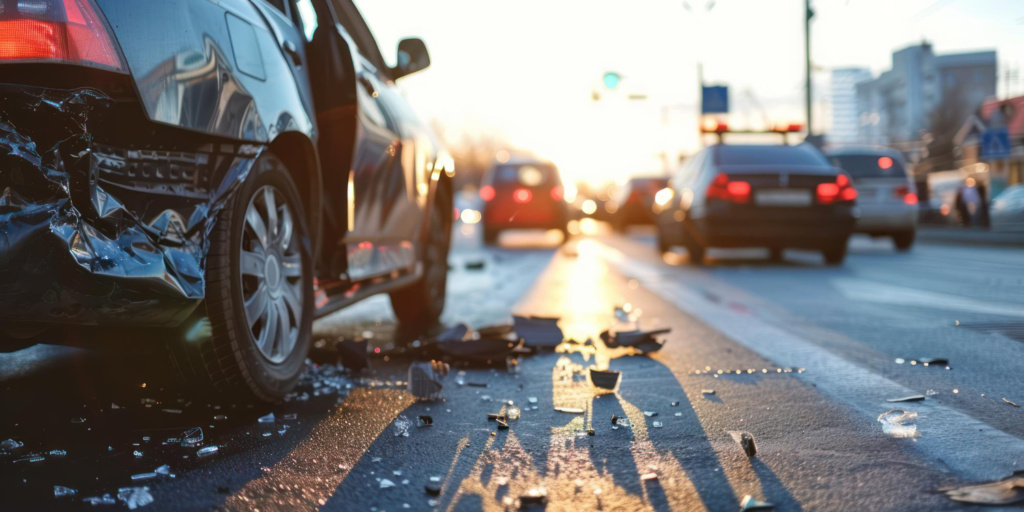
A hit‑and‑run accident in Chicago creates confusion and stress within moments. People often wonder how soon to act or what step matters most. They should report the incident to the police immediately to protect their legal rights and strengthen any future claim. Quick action provides proof of the event and helps investigators locate the driver who fled.
Illinois law requires prompt reporting of an accident that causes injury, death, or property damage. A formal report also supports insurance claims and avoids possible penalties for failure to disclose an accident. Delays can weaken a case, limit evidence, and reduce options for compensation.
Those affected can feel more in control once they understand how timing influences both legal protection and insurance coverage. This article explains when and how to report a hit‑and‑run in Chicago, what laws apply, and what steps can secure fair treatment after the crash.
Critical Timing: When and How to Report a Hit‑and‑Run in Chicago
Time shapes the outcome of a hit‑and‑run case. Quick reporting supports both a police investigation and any insurance claim by locking in fresh details and preserving evidence.
Immediate Steps After a Hit-and-Run Accident
A driver should first move to a safe area and check for injuries. Calling 911 remains the top priority if anyone is hurt. If the crash causes only property damage, the driver should use the non‑emergency police number to request an officer.
Next, write down everything remembered about the other vehicle. This includes color, make, model, license plate, and direction of travel. Take photos of the scene, vehicle damage, and nearby landmarks or traffic lights.
A common question: Can you report a hit and run the next day in Illinois? The short answer is yes. Victims can still report it later if immediate reporting was impossible, but officers and insurers prefer contact as soon as possible to maintain credibility and evidence strength. Delays may raise doubts or complicate claims.
Finally, exchange contact details with any witnesses, as their statements often help police identify the fleeing driver. Keeping calm helps the process go faster and avoids missing small but useful details.
Why Prompt Reporting Protects Your Legal Rights
Quick reporting protects a driver from suspicion of fault or negligence. Illinois law treats leaving an accident unreported as a serious offense, so acting immediately helps show cooperation with authorities.
Fast contact with law enforcement also creates an official police record. This report acts as proof for both insurance claims and potential legal actions. Insurers often require notification within 24 hours to several days, depending on the policy. Delayed claims may face rejection.
Early action also benefits evidence collection. Surveillance footage from nearby cameras or businesses can disappear within days. Witnesses may forget small facts or lose interest in assisting later. Acting right away gives investigators their best chance to track the fleeing driver.
Key Information to Include in Your Police Report
A detailed report helps law enforcement and insurance agents handle the case properly. The following details should appear in every hit‑and‑run report:
- Date, time, and exact location of the crash
- Description of the other vehicle: color, make, model, plate
- Physical details of the driver, if seen
- Witness names and contact numbers
- Photos of damage and the surrounding area
Including these facts gives the police a clear starting point. Mention visible injuries, property losses, and any footage captured by dashboard cameras or nearby buildings. Every detail supports an accurate investigation and increases the chance of proper compensation later.
Legal Protections, Insurance, and Next Steps After a Hit‑and‑Run
After a hit‑and‑run in Chicago, immediate legal and insurance actions help preserve financial recovery and protect the right to compensation. Reporting the crash, activating insurance coverage, and consulting a qualified law office often make the difference in securing payment for medical care and vehicle repair.
Understanding Uninsured Motorist Coverage and Insurance Claims
Illinois law requires auto insurers to include Uninsured Motorist (UM) protection in every policy. This feature allows accident victims to collect benefits from their own insurer if the driver at fault cannot be identified or lacks coverage. UM coverage pays for medical care, lost wages, and pain and suffering.
Drivers may also hold Underinsured Motorist (UIM) and Collision coverage. UIM helps offset losses if the at‑fault driver’s insurance limits fall short. Collision coverage pays for vehicle damage after the deductible is met. Understanding each policy’s limits and claim process can prevent missed compensation.
To start a claim, the policyholder must report the event promptly and cooperate with insurer requests for documentation. These steps include submitting the police report, photographs of the damage, and medical records. Any delay or incomplete file can reduce the payout or complicate the investigation.
How Legal Counsel Supports Your Rights After a Hit‑and‑Run
A law office familiar with traffic and injury law often takes charge of communication with both police investigators and insurance representatives. Attorneys collect and review physical evidence, interview witnesses, and request surveillance footage to identify the driver or strengthen the UM claim.
They also negotiate with the insurer to secure a fair settlement. Insurance companies may seek to reduce payouts or dispute injury claims, but an attorney understands how to counter low offers with verified documentation and expert opinions.
In complex cases, legal counsel can file a lawsuit under UM coverage if the insurer refuses proper compensation. They manage deadlines, submit required court filings, and represent the client at hearings. This guidance helps protect rights and reduces costly procedural errors.
Consequences for Failing to Report and Statute of Limitations
Failing to report a hit‑and‑run promptly can harm both criminal and civil outcomes. Illinois requires drivers involved in accidents with injury, death, or major property damage to contact law enforcement immediately. Not filing a timely report may result in license suspension, fines, or possible criminal charges.
For victims, late reporting can weaken the connection between injuries and the crash. Insurance companies often rely on official documentation to verify coverage, so early police involvement supports stronger claims.
Illinois law sets a two‑year statute of limitations for personal injury cases related to vehicle accidents. Property damage claims usually allow up to five years. Missing these deadlines bars recovery in court, even with solid evidence. Quick reporting and legal consultation help preserve the ability to collect full compensation.
Conclusion
Prompt action after a hit‑and‑run in Chicago helps protect legal rights and supports a fair claim. A police report creates official proof of the event, which strengthens any future insurance or legal case. Delays may cause problems with evidence or policy deadlines.
Accident victims should gather contact information from witnesses, document vehicle details, and keep all related records in one place. These steps help build a clear and accurate account of what took place.
If injuries or property damage occur, legal guidance can help clarify deadlines and filing procedures. By reporting early and keeping careful documentation, people in Chicago improve their chance of fair resolution and compensation.